
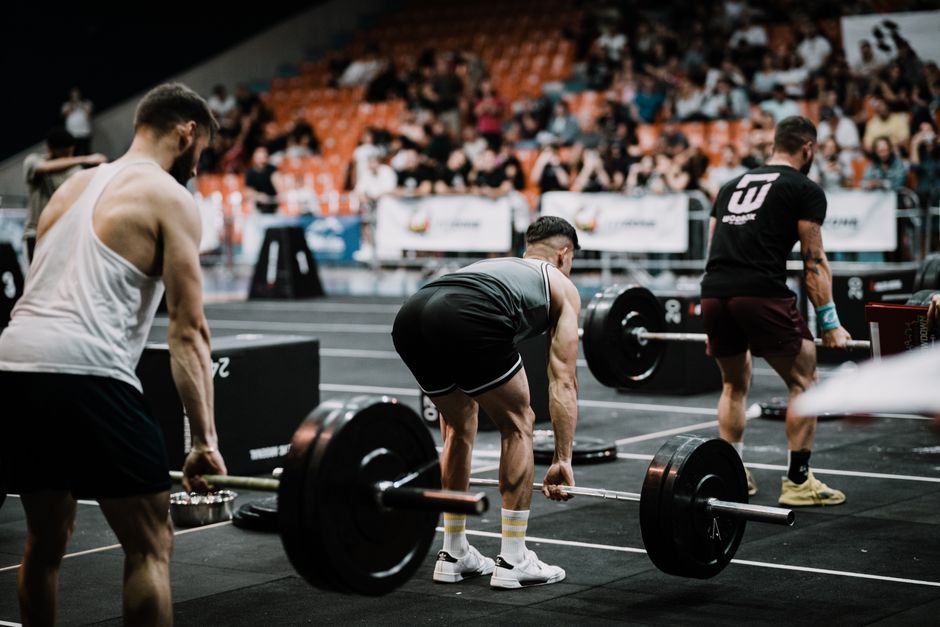
Yes, testosterone increases muscle mass. The evidence for this is strong and consistent across decades of research. Testosterone is a primary driver of muscle protein synthesis, which is the process your body uses to build new muscle tissue. Without adequate testosterone, muscle growth is significantly limited, and with it, muscle mass and strength increase.
How Does Testosterone Build Muscle?
Testosterone works directly on muscle cells. It binds to androgen receptors inside the cell, which then signals the nucleus to ramp up protein synthesis. This means your body builds more muscle protein than it breaks down. Over time, this net gain in protein translates to larger muscle fibers and greater strength.
This is not a subtle effect. Research consistently shows that men with higher natural testosterone levels tend to have more lean body mass. Clinical studies that give men additional testosterone also show clear increases in muscle size and strength, especially when combined with resistance training.
Testosterone also helps in other ways. It increases the number of satellite cells, which are the stem cells that repair and grow muscle fibers after exercise. It also reduces the activity of myostatin, a protein that normally limits muscle growth. Both of these effects support the muscle-building process.
What Happens When Testosterone Levels Are Low?
When testosterone drops below normal, muscle mass often declines. This is seen in men with hypogonadism, a condition where the testes produce little or no testosterone. These men typically have reduced muscle mass and strength compared to men with normal levels.
This is also a natural part of male aging. Testosterone levels fall gradually after age 30, roughly 1% per year on average. Some of the muscle loss seen in older adults is directly linked to this decline. This condition is sometimes called sarcopenia, and while it has multiple causes, low testosterone is a contributing factor.
When men with low testosterone receive replacement therapy, studies show meaningful improvements in lean body mass. The effect on strength is more variable, but muscle size consistently increases. This is one of the clearest demonstrations that testosterone drives muscle growth in humans.
Does More Testosterone Mean More Muscle?
Yes, but there is a limit to the effect. The relationship between testosterone and muscle mass is not linear at the extreme high end. Within the normal range, higher testosterone generally means more muscle. Above the normal range, muscle gains continue but at a slower rate per additional unit of testosterone.
This is why anabolic steroids work. They push testosterone levels far above the normal range, which produces rapid and substantial muscle growth. A well-known study from the 1990s showed that men given supraphysiologic doses of testosterone gained significantly more muscle than those given placebo, even without exercise. When combined with weight training, the effect was even larger.
That study is important because it proves the cause-and-effect relationship. It was not just an association. Men who did not exercise but received high-dose testosterone still gained several pounds of lean mass. Men who exercised without testosterone gained some muscle, but far less than the testosterone group.





Does Testosterone Alone Build Muscle Without Exercise?
Testosterone can build muscle without exercise, but the effect is much smaller than when combined with training. In the study mentioned above, men who received high-dose testosterone without exercising gained muscle. However, the men who both trained and took testosterone gained the most.
Resistance training and testosterone work through overlapping but distinct pathways. Lifting weights creates mechanical tension that signals muscle growth. Testosterone amplifies that signal. Together, they produce a combined effect that is greater than either one alone.
For men with normal testosterone levels, taking extra testosterone without training will produce modest gains at best. The bigger effect comes from the combination. This is why doctors who prescribe testosterone therapy always recommend exercise as part of the treatment plan.
Can Testosterone Therapy Help Men With Normal Levels?
This is where the evidence gets more complicated. For men with clinically low testosterone, therapy is well studied and effective. For men with normal levels, the evidence for benefit is much weaker.
Some men seek testosterone therapy to improve body composition even when their levels are within the normal range. This is sometimes called “testosterone for fitness” or “recreational TRT.” The evidence shows that supraphysiologic doses do increase muscle mass, but normal-dose therapy in men with normal levels produces smaller effects.
There are also risks. Testosterone therapy can reduce natural testosterone production, affect sperm count, increase red blood cell counts, and potentially worsen sleep apnea. The long-term cardiovascular effects are still being studied, and results have been mixed. Some studies suggest increased risk, while others show no effect or even benefit.
No clinical guidelines recommend testosterone therapy for healthy men with normal levels who simply want more muscle. The risk-benefit ratio is not favorable for this use. If you are considering testosterone therapy, the first step is a blood test to confirm whether your levels are actually low.
What Are the Risks of High Testosterone for Muscle Gain?
Using testosterone specifically to build muscle means using doses above the normal range. This is not without consequences. The most common side effects include acne, oily skin, and fluid retention. More serious risks include:
- Suppression of natural testosterone production
- Shrinkage of the testicles
- Reduced sperm count and fertility problems
- Increased red blood cell production, which can thicken the blood
- Worsening of sleep apnea
- Acceleration of male pattern baldness in men who are genetically predisposed
- Potential effects on cholesterol levels
High-dose testosterone can also affect mood and behavior. Some men report increased aggression, though this is not universal. The psychological effects are harder to study and less predictable than the physical ones.
There is also the question of long-term safety. No large, long-term studies have followed men using supraphysiologic testosterone for years. The evidence we have comes from shorter studies and from men using anabolic steroids, which are a different category of drugs but share similar mechanisms. The cardiovascular risks of long-term high-dose androgen use are not fully understood.
Does Testosterone Work the Same for Women?
Women produce testosterone too, but at much lower levels than men. Normal female testosterone levels are roughly one-tenth to one-twentieth of male levels. Testosterone plays a role in women’s muscle maintenance, but the effects of supplementation are different.
Women who take testosterone for medical reasons, such as hypoactive sexual desire disorder, may see small increases in lean mass. However, the doses used are far lower than what men receive. At these doses, muscle gains are minimal.
Women who use testosterone at male-range doses will gain muscle, but they also experience virilizing effects. These include deepening of the voice, increased facial and body hair, and clitoral enlargement. These effects are often irreversible. No guidelines recommend testosterone for muscle building in women with normal levels.
What Is the Best Way to Increase Muscle Mass Naturally?
For most people, the answer is not testosterone therapy. The best evidence supports a combination of resistance training and adequate protein intake. Progressive overload — gradually increasing the weight or reps over time — is the most reliable stimulus for muscle growth.
Protein intake matters. Research suggests that roughly 1.6 to 2.2 grams of protein per kilogram of body weight per day is a reasonable target for people actively building muscle. This is a general guideline based on sports nutrition research, and individual needs can vary.
Sleep is also important. Growth hormone is released during deep sleep, and recovery is when muscle repair actually happens. Most adults need seven to nine hours per night. Chronic sleep deprivation impairs muscle recovery and can blunt the response to training.
If you have symptoms of low testosterone — such as fatigue, reduced libido, depression, or difficulty building muscle — talk to a doctor. A simple blood test can confirm whether your levels are actually low. If they are, testosterone therapy may be appropriate. If they are not, the treatment will not solve the problem.
Frequently Asked Questions
How long does it take to see muscle gains from testosterone?
Most studies show measurable increases in lean body mass within 12 to 16 weeks of testosterone therapy. Strength gains may take longer and depend heavily on training.
Can you build muscle with normal testosterone levels?
Yes, resistance training and proper nutrition build muscle regardless of testosterone levels. Testosterone is one factor, but it is not the only one.
Is testosterone therapy safe for muscle building?
Testosterone therapy is safe when prescribed for clinically low levels under medical supervision. Using high-dose testosterone for muscle building carries real risks and is not supported by clinical guidelines.
Does testosterone increase muscle mass in older men?
Yes, studies show that older men with low testosterone who receive replacement therapy gain lean body mass. The effect on strength is smaller and more variable.
