
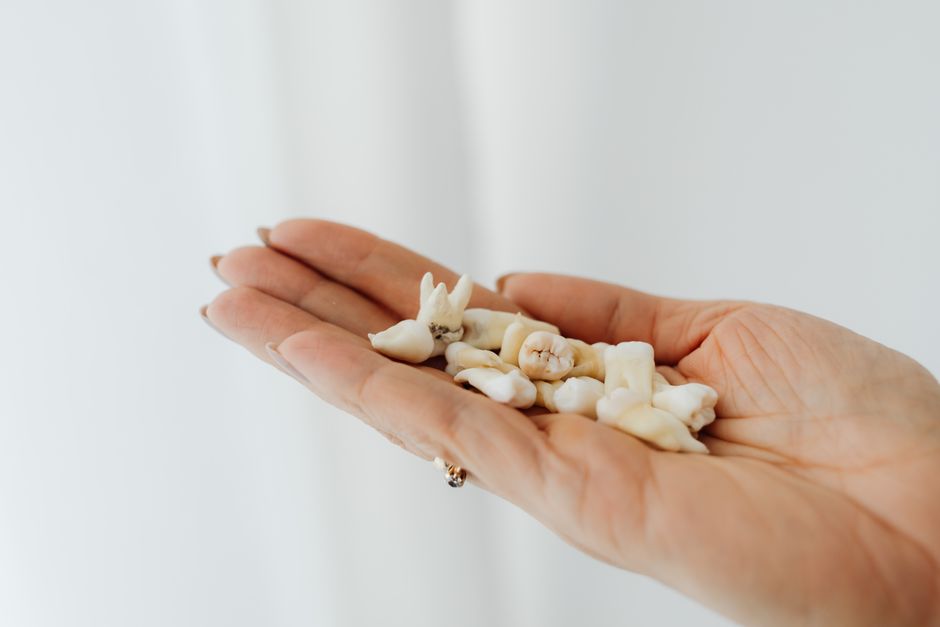
Teething does not cause throwing up. That is the short answer, and it is worth stating clearly because a lot of parents are told otherwise. When a baby is cutting a tooth and also vomiting, those two things are happening at the same time — not because one caused the other. Vomiting in an infant or toddler is a symptom that deserves its own explanation, and teething is almost never it.
This matters because blaming teething can delay care for something that needs attention. A stomach bug, an ear infection, or a reaction to something the child ate can all cause vomiting. None of those are teething. The two events overlap constantly in the first two years of life simply because babies are teething for most of that time.
Why Do People Think Teething Causes Vomiting?
Because the timing lines up so often. Babies cut teeth between roughly 6 months and 2 years, and that is also the window when they start crawling, putting everything in their mouths, and catching one stomach virus after another. The overlap is nearly guaranteed.
There is also a real mechanism that gets misread. Teething makes babies drool heavily. Some of that saliva runs down the back of the throat, and in some babies this triggers a gag reflex or a cough. A gag can occasionally bring up a small amount of milk or food. That is not the same as vomiting. It is a brief, small spit-up tied to gagging, not the forceful emptying of the stomach that defines true vomiting.
So parents see drool, a cough, and a little spit-up, and connect the dots to the tooth. The connection is understandable. It is also wrong.
What Symptoms Does Teething Actually Cause?
Teething causes a narrow set of symptoms. The evidence for this is fairly consistent, and the list is shorter than most parents expect.
- Mild gum discomfort and irritability
- Increased drooling
- A tendency to chew on objects
- Mild gum swelling or tenderness
- A slightly raised temperature, though not a true fever
That last point is where a lot of confusion lives. Teething can nudge a temperature up a small amount. It does not cause a fever. A rectal temperature of 100.4°F (38°C) or higher in an infant is a fever, and a fever is not a teething symptom. It points to infection or another cause that needs to be looked at.
Teething also does not cause severe diarrhea, significant rash beyond the drool-related chin irritation, or persistent vomiting. When parents report those, something else is going on.
What Actually Causes Vomiting in Babies and Toddlers?
Vomiting in this age group has a long list of possible causes, and most of them are common and treatable. The most frequent is a viral stomach infection, often called gastroenteritis. It usually comes with diarrhea and spreads easily through daycare and family homes.
Other causes worth knowing about:
- Ear infections, which can trigger vomiting in young children
- Food poisoning or a reaction to something the child ate
- Reflux, especially in babies under a year
- Motion sickness
- A urinary tract infection, which can cause vomiting without other obvious signs in infants
- Rarely, a blockage in the gut or another structural problem
Notice what is not on this list. Teething. That is not an oversight. It is the point.





Does Teething Cause Throwing Up, or Is It Something Else?
It is something else. This is the key question, and the answer does not change based on how close the timing seems. If a child is vomiting, the cause is not the tooth.
The tricky part is that teething and illness overlap so heavily that parents naturally assume one explains the other. A baby who is fussy, drooling, and vomiting looks like a teething baby who is also sick. In reality, the fussiness and drooling are teething, and the vomiting is separate.
One useful way to think about it: teething explains the mouth. It does not explain the stomach.
When Should Vomiting in a Baby Worry You?
Vomiting in an infant can become serious quickly, mainly because of dehydration. Young babies have less fluid reserve than older children and adults. The following signs warrant a call to a doctor or a trip to urgent care.
- Vomiting that is forceful and repeated, especially green or bloody
- Fewer wet diapers than usual, or no urine for many hours
- Sunken soft spot on the head, dry mouth, or no tears when crying
- Extreme sleepiness or difficulty waking
- Vomiting after a head injury
- A fever of 100.4°F (38°C) or higher in a baby under 3 months
- Vomiting that lasts more than a day or keeps getting worse
Green vomit is a specific red flag. It can signal a blockage in the intestine and needs immediate medical attention. Do not wait to see if it passes.
For babies under 3 months, the bar for calling a doctor is low. Vomiting in a newborn is never something to watch at home for long.
How Do You Tell Teething Apart From a Stomach Bug?
Look at what else is happening. Teething is a mouth-and-mood story. A stomach bug is a gut story. The two look different once you know what to check.
| Sign | Teething | Stomach Bug |
|---|---|---|
| Vomiting | No | Common |
| Diarrhea | No | Common |
| Fever | No | Often |
| Drooling | Yes | Not typical |
| Chewing on objects | Yes | Not typical |
| Appetite | Mildly reduced | Often much reduced |
| Energy | Mildly fussy | Can be very low |
If a child has vomiting plus diarrhea, that is a gut issue, not a tooth. If a child has drooling and chewing but no stomach symptoms, that is teething. The two rarely need to be untangled once you separate the mouth signs from the gut signs.
What Should You Do If Your Teething Baby Is Vomiting?
Treat the vomiting as its own problem and do not attribute it to teething. That single shift in thinking is the most useful thing a parent can do here.
For mild vomiting in an older baby or toddler, the focus is fluids. Offer small amounts often rather than a large amount at once. Oral rehydration solutions are designed for this and are widely available. Breast milk or formula can continue for babies who are feeding normally.
Do not give over-the-counter anti-nausea medication to an infant or young child unless a doctor has specifically recommended it. These are not routine home treatments for this age group, and dosing guidance for young children is not something to guess at.
For teething discomfort itself, the options are limited and worth getting right. A chilled teething ring helps. A clean finger rubbed along the gum helps. Teething gels that contain benzocaine should not be used in children under 2 because of a rare but serious blood condition called methemoglobinemia. The FDA has warned against them for this age group.
If the vomiting is frequent, forceful, or comes with any of the warning signs above, contact a doctor. Do not wait for the next tooth to come through.
The Bottom Line on Teething and Vomiting
Teething and vomiting are separate events that happen to share a calendar. Teething causes gum discomfort, drooling, and a mild rise in temperature — not a fever, not diarrhea, and not vomiting.
When a baby is throwing up, the cause is something else, and that something else is worth identifying. Assuming it is teething can mean missing an infection or a dehydration risk that needs care. The honest position is simple: if there is vomiting, look past the tooth.
Frequently Asked Questions
Can teething cause vomiting in babies?
No. Teething does not cause vomiting. If a baby is vomiting, the cause is something else, such as a stomach infection or another illness.
Can teething cause diarrhea?
No, teething does not cause significant diarrhea. Some parents report looser stools during teething, but the evidence does not support teething as a cause of diarrhea.
Can teething cause a fever?
Teething can raise a baby’s temperature slightly, but it does not cause a true fever. A rectal temperature of 100.4°F (38°C) or higher is a fever and points to another cause.
When should I call a doctor about my baby’s vomiting?
Call a doctor if vomiting is forceful or repeated, contains green or blood, comes with fewer wet diapers or extreme sleepiness, or occurs in a baby under 3 months. Green vomit needs immediate care.
