
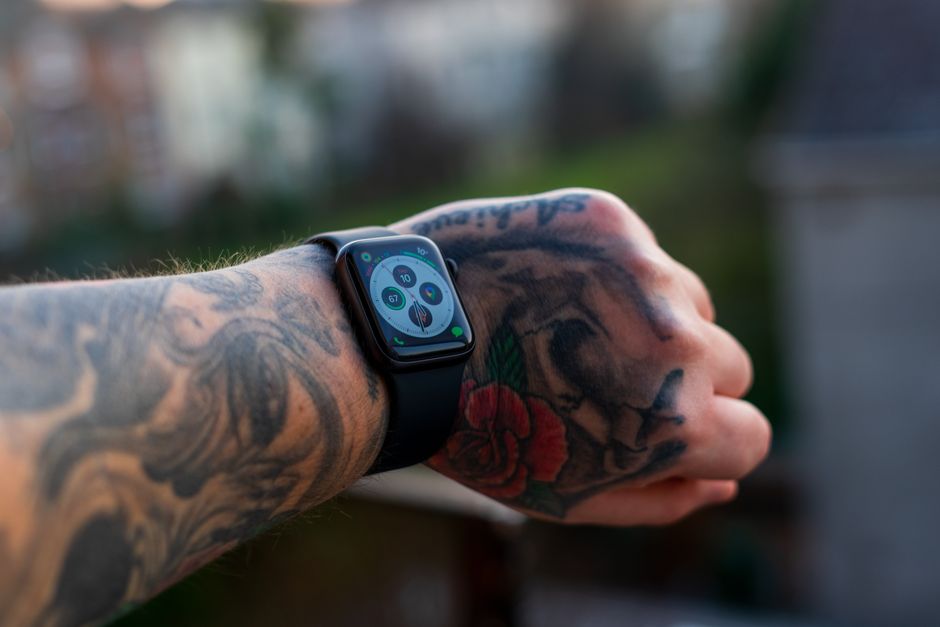
Yes, a wrist tattoo usually hurts. The wrist sits over bone with only a thin layer of skin and fat above it, and it contains a dense network of nerve endings. That combination makes it one of the more painful places to get tattooed, though most people describe it as tolerable rather than unbearable.
How much it hurts varies a lot from person to person. Placement on the wrist, your own pain tolerance, and how long the session lasts all shape the experience. There is no way to measure tattoo pain precisely, so most of what we know comes from surveys, clinical observation, and the basic anatomy of the skin.
Why Does a Wrist Tattoo Hurt More Than Other Spots?
Pain from a tattoo comes from the needle repeatedly puncturing the upper layer of skin. The dermis, just below the surface, is packed with nerve fibers and small blood vessels. Every puncture triggers those fibers, and your brain reads the signal as pain.
Where you get tattooed changes how much of that signal reaches the brain. Areas with lots of nerve endings and little cushioning tissue tend to hurt more. The wrist has both problems. The skin is thin, and the bones of the forearm sit close to the surface.
On top of that, the wrist is a busy area anatomically. Tendons, nerves, and blood vessels all pass through a narrow space. The ulnar nerve and median nerve run near the surface here. That is part of why the inner wrist in particular can feel sharp or electric rather than just sore.
This is not a matter of opinion. It follows from how skin is built. More nerve endings per square inch plus less padding equals more pain signal. The same logic explains why the ribs, collarbone, and top of the foot also rank high on most pain scales.
How Painful Is the Wrist Compared With Other Body Parts?
Tattoo artists and clients generally place the wrist in the upper-middle range of pain. It is not usually the worst spot, but it is well above the easy areas like the outer upper arm or thigh.
There is no official medical ranking of tattoo pain. The closest thing we have is survey data and the informal consensus among people who get and give tattoos. Those sources broadly agree on which areas hurt most and least.
Here is how the wrist tends to compare, based on that general consensus:
- Low pain: outer upper arm, shoulder, thigh, upper back
- Moderate pain: forearm, calf, lower back, wrist (outer side)
- Higher pain: inner wrist, ribs, collarbone, sternum, top of foot, elbow, knee, armpit
Notice that the wrist appears twice. The outer wrist, where the skin is a bit thicker and the bone is less exposed, is usually more manageable. The inner wrist, where the skin is thin and the tendons and nerves sit close, tends to hurt more.
One clarification worth making: pain tolerance is not fixed. It shifts with sleep, stress, caffeine, and how nervous you are. Two people with the same wrist tattoo can have very different experiences.
What Does a Wrist Tattoo Actually Feel Like?
Most people describe the first few minutes as a scratching or burning sensation. The needle moves fast, so it feels less like a single poke and more like a continuous scrape.
On the wrist specifically, many people report a sharper, more electric quality. That matches the anatomy. The nerves there are close to the surface, so the signal is more intense than it would be in a fleshy area.
After the first several minutes, the body releases its own pain-relieving chemicals, and the sensation often dulls. Adrenaline plays a role too. Many people find the middle of a session easier than the start.
The end is a different story. As the skin becomes raw and inflamed, the same needle strokes can feel more intense again. This is common and not a sign that something is wrong.
Longer sessions hurt more than shorter ones, mostly because of cumulative irritation rather than the needle itself. A small wrist design that takes twenty minutes is a very different experience from a large piece that takes several hours.





Does the Wrist Location Raise Any Specific Risks?
The wrist is a common tattoo location, and serious complications are not typical. But the anatomy does create some specific considerations worth knowing.
Because tendons, nerves, and blood vessels run close to the surface, a tattoo placed here sits near important structures. Proper technique matters. A tattoo applied too deeply can cause scarring, and in rare cases, trauma near a nerve can cause temporary numbness or tingling. This is uncommon but documented.
Infection risk exists for any tattoo. The skin barrier is broken thousands of times, and the wrist is a high-contact area that gets washed, bumped, and exposed throughout the day. Keeping the area clean during healing matters more here than in less active spots.
There is also the question of visibility. Wrist tattoos are hard to hide. Some employers have policies about visible tattoos. This is not a medical risk, but it is a practical one people often weigh before committing.
Finally, some people with certain skin conditions, bleeding disorders, or immune conditions are advised to talk to a doctor before getting any tattoo. The wrist is no different in that regard, but the thinner skin here can sometimes show scarring more readily.
Can You Reduce the Pain of a Wrist Tattoo?
You cannot make a wrist tattoo painless, but several practical steps can make it more manageable. None of these are medical treatments, and none are proven to eliminate pain.
Getting good sleep the night before helps. Being well rested and well hydrated tends to make pain easier to tolerate. Avoiding alcohol for at least a day beforehand is sensible, since alcohol thins the blood and can increase bleeding.
Eating a real meal before your appointment matters. Low blood sugar makes people feel lightheaded and lowers pain tolerance. Skipping caffeine right before can also help, since caffeine can make people jittery and more sensitive.
Some people use over-the-counter numbing creams before a session. These are widely sold, but their effectiveness for tattoo pain is not well established, and some artists discourage them because they can change how the skin takes ink. If you want to try one, ask your artist first.
During the session, breathing steadily and taking breaks when needed can help. Bringing headphones or something to focus on is a common and reasonable strategy. Tensing up tends to make pain worse, so staying as relaxed as you can is useful.
If the pain becomes genuinely unbearable, it is fine to stop and reschedule. A tattoo can be completed over more than one session. Pushing through severe pain is not a requirement.
How Long Does the Pain Last After the Tattoo?
The sharp pain from the needle stops when the session ends. What remains is soreness, similar to a scrape or a mild sunburn.
Most people find this soreness fades over a few days. The skin stays tender while it heals, and the full healing process for a tattoo typically takes a few weeks. During that time the area may feel sensitive, itch, or peel.
Wrist tattoos can be a little more annoying during healing because the area moves constantly. Bending your hand, typing, and washing dishes all tug at the skin. This does not usually cause problems, but it can make the healing period feel longer than it would on, say, a shoulder.
Any sign of spreading redness, swelling that gets worse after the first few days, pus, or fever is not normal healing and should be checked by a doctor. These can indicate infection, which needs treatment.
Frequently Asked Questions
Does a wrist tattoo hurt a lot?
Yes, the wrist is generally considered a moderately to highly painful spot because the skin is thin and sits close to bone and nerves. Most people find it tolerable, though the inner wrist tends to hurt more than the outer wrist.
Is the inner or outer wrist more painful?
The inner wrist usually hurts more because the skin is thinner and major nerves and tendons run close to the surface there. The outer wrist is often described as more manageable.
How long does wrist tattoo pain last?
The sharp needle pain stops when the session ends, and leftover soreness typically fades over a few days. The tattoo itself takes a few weeks to fully heal, and the area may stay tender during that time.
Can I get a wrist tattoo if I have a low pain tolerance?
Yes, but it may help to choose a smaller design, book a shorter session, and ask your artist about taking breaks. Pain tolerance varies widely between people and is not fixed.
