
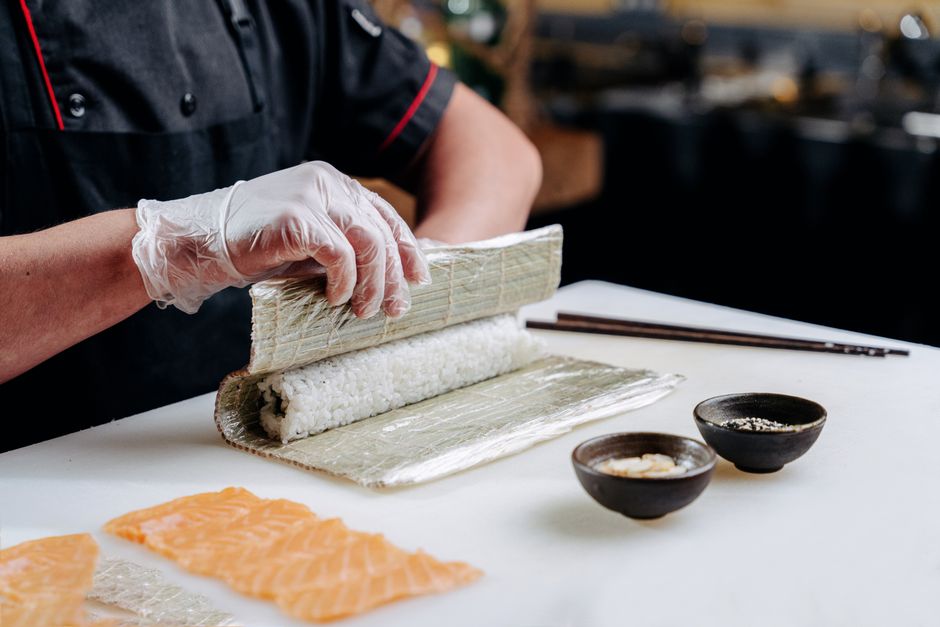
Sushi is a popular meal, but it can leave you feeling uncomfortably full and puffy. The short answer is yes, sushi can make you bloated. This usually happens because of a few specific ingredients, not the fish itself. The most common culprits are the high sodium in soy sauce, the refined white rice, and certain additives used in restaurant sushi.
What Causes Bloating After Eating Sushi?
Bloating is the feeling of pressure or fullness in your abdomen. It is often caused by gas or water retention. Sushi can trigger both of these reactions through several different pathways.
The biggest factor is sodium. A typical order of sushi includes soy sauce, which is extremely high in salt. When you consume a large amount of sodium, your body holds onto water to balance the salt level. This fluid retention can make you feel puffy and bloated shortly after your meal.
The rice is another major contributor. Sushi rice is made with white rice, which is a refined carbohydrate. Your body breaks down white rice very quickly into sugar. This rapid breakdown can cause a spike in blood sugar. In response, your body may release insulin, which can also contribute to water retention.
Is It the Rice or the Sodium?
Both play a role, but sodium is often the primary driver. A single tablespoon of soy sauce contains more than 800 milligrams of sodium. That is more than one-third of the recommended daily limit for most adults. If you dip each piece generously, you can easily consume several thousand milligrams of sodium in one meal.
Rice contributes to bloating in a different way. White rice is low in fiber. Fiber helps move food through your digestive tract. Without it, your digestion slows down. This can cause food to sit in your stomach longer, creating a feeling of fullness and heaviness.
There is also the issue of portion size. A typical sushi dinner includes multiple rolls. Each roll can contain a cup or more of rice. Eating a large volume of food in one sitting naturally stretches your stomach, which can feel like bloating even if gas is not involved.
Can Certain Sushi Ingredients Cause Gas?
Yes, some ingredients are more likely to cause gas than others. Imitation crab, which is used in California rolls, often contains additives and starches that can be harder to digest. Some people also have trouble digesting the sugars found in certain fish and shellfish.
Tempura rolls are another common trigger. The fried batter is high in fat. Fatty foods slow down digestion. This means your stomach empties more slowly, which can lead to that heavy, bloated feeling.
Cream cheese and spicy mayo are also common in Western-style sushi rolls. These add fat and sometimes dairy. If you are lactose intolerant, cream cheese can cause significant gas and bloating. Even without lactose intolerance, the extra fat can slow your digestion.
What About Wasabi and Pickled Ginger?
These condiments are not usually the main cause of bloating. Wasabi, especially the real horseradish root, can cause a temporary burning sensation but does not typically cause abdominal bloating. The fake wasabi paste used in most restaurants is a mixture of horseradish, mustard powder, and green food coloring.
Pickled ginger is fermented in a vinegar solution. Fermented foods can cause gas in some people because they contain live bacteria. However, the amount of ginger served with sushi is usually small. For most people, this is not a major contributor to bloating.
That said, if you are sensitive to histamines, both wasabi and pickled ginger could cause a reaction. This is less common, but it can include stomach discomfort.
Is It Food Poisoning or Just Bloating?
Bloating is uncomfortable but usually harmless. Food poisoning is a different situation. If your bloating comes with nausea, vomiting, diarrhea, or a fever, it is not normal bloating. These symptoms could indicate a bacterial infection from raw fish or contaminated rice.
Food poisoning symptoms typically appear within a few hours of eating. Bloating from sodium or rice also appears within a few hours. The difference is that food poisoning gets worse and includes other symptoms. Simple bloating is uncomfortable but does not progress to vomiting or diarrhea.
If you experience severe abdominal pain that comes on suddenly after eating sushi, seek medical attention. This is especially important if you have eaten raw fish. While rare, certain parasites and bacteria can cause serious illness.
How Long Does Sushi Bloating Last?
Most bloating from sushi resolves within a few hours. Water retention from sodium typically peaks about two to four hours after eating. Your body will gradually flush the excess salt and water through your kidneys.
Bloating from slow digestion can last longer. If fatty foods like tempura or cream cheese are the cause, the feeling of fullness may last four to six hours. This is because fat takes longer to move through your stomach and small intestine.
Walking and drinking water can help speed up the process. Gentle movement stimulates digestion. Water helps your kidneys process and eliminate the excess sodium. Avoid carbonated drinks, which can add more gas to your system.
How to Prevent Bloating When Eating Sushi
You do not have to give up sushi to avoid bloating. A few simple changes can make a big difference.
- Limit soy sauce. Use a small amount for dipping, or choose low-sodium soy sauce. One light dip is enough to add flavor.
- Choose brown rice. Brown rice has more fiber than white rice. The fiber slows digestion and helps prevent the rapid blood sugar spike that can cause water retention.
- Skip the fried rolls. Tempura and other fried items are high in fat. Stick to rolls with fresh fish and vegetables.
- Ask for less rice. Many sushi restaurants will make a roll with less rice if you request it. This is sometimes called a “naruto roll” when wrapped in cucumber instead of rice.
- Eat slowly. Eating too quickly makes you swallow air. That air has to come out as gas, which contributes to bloating.
Drinking green tea with your meal can also help. Some research suggests that green tea may aid digestion. It is also a good alternative to sugary drinks, which can contribute to bloating.
Does Sushi Make You Bloated for Everyone?
No, not everyone gets bloated from sushi. Your individual digestion, food sensitivities, and eating habits all play a role. Some people can eat a large sushi dinner with no discomfort at all.
People with irritable bowel syndrome (IBS) or other digestive conditions may be more sensitive. The combination of high sodium, refined carbs, and potential trigger ingredients can be harder for them to process. If you have a diagnosed digestive condition, you may need to be more careful about portion sizes and ingredient choices.
It is also worth noting that the type of sushi matters. A simple nigiri with a single piece of fish and rice is much less likely to cause bloating than a large specialty roll loaded with sauces, cream cheese, and tempura flakes.
When to See a Doctor
Occasional bloating after a heavy meal is normal. You do not need to see a doctor for that. However, if bloating happens every time you eat, or if it is accompanied by pain, weight loss, or changes in your bowel habits, you should talk to a healthcare provider.
Frequent bloating can be a sign of an underlying condition. This could include food intolerances, small intestinal bacterial overgrowth (SIBO), or other digestive disorders. A doctor can help you determine the cause and recommend appropriate testing.
Keep a food diary if you suspect a specific ingredient is causing your symptoms. Write down what you ate, when you ate it, and how you felt afterward. This information can be very helpful for your doctor in identifying patterns.
Frequently Asked Questions
Why does sushi make me feel bloated after eating?
Sushi bloating is usually caused by high sodium in soy sauce and refined white rice. These ingredients cause your body to retain water and slow your digestion.
How long does bloating from sushi last?
Most sushi bloating resolves within a few hours. Sodium-related water retention typically peaks two to four hours after eating, while bloating from fatty ingredients may last longer.
Is sushi bloating a sign of a food allergy?
Bloating alone is rarely a food allergy. True food allergies usually cause hives, swelling, or difficulty breathing. If you only have bloating, it is more likely related to sodium, portion size, or a food intolerance.
Does brown rice sushi cause less bloating than white rice?
Brown rice may cause less bloating because it contains more fiber. The fiber slows digestion and helps prevent the rapid blood sugar spike that contributes to water retention.
