
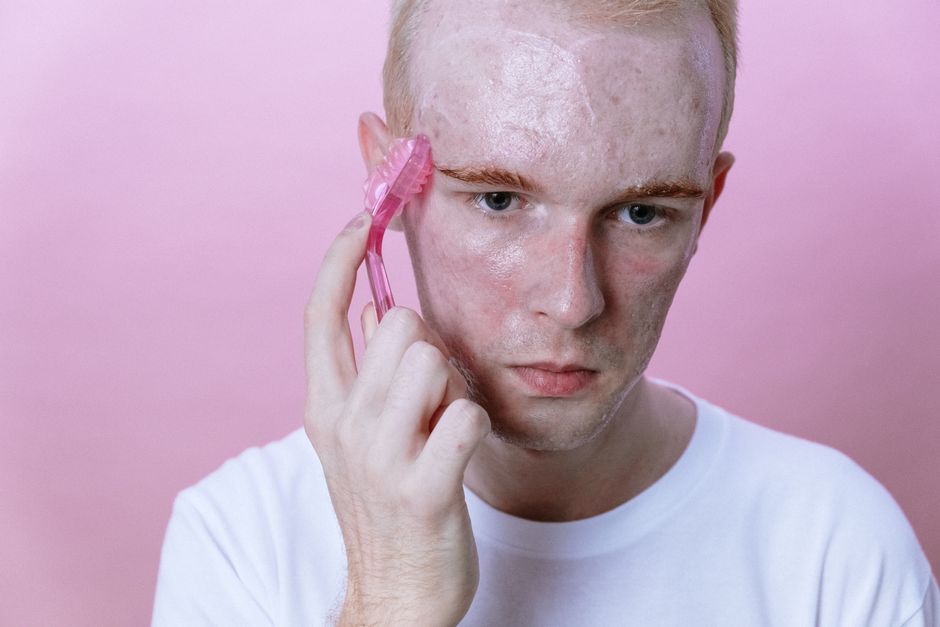
Sun exposure can make acne look better for a few days, but it does not treat acne and often makes it worse later. The short-term improvement is real. It comes from reduced redness and a temporary drying effect on the skin. The problem is what happens after: sun damage increases inflammation, darkens healing spots, and can trigger a breakout once the skin recovers. Dermatologists do not recommend sunbathing or tanning beds as acne treatment.
Does Sun Help Acne?
No. The belief that sun clears acne is one of the most persistent skin myths, and the evidence does not support it as a treatment.
What people actually notice is a cosmetic effect. Ultraviolet light temporarily suppresses some of the visible redness around pimples. A tan also darkens the surrounding skin, which makes blemishes less obvious by contrast. Neither of these changes what is happening inside the pore.
Acne is a disorder of the pilosebaceous unit — the hair follicle and its attached oil gland. It develops when dead skin cells block the follicle, sebum production is high, and Cutibacterium acnes bacteria multiply in the blocked pore, producing inflammation. Sunlight does not correct any of these steps.
The improvement is also short-lived. As the skin repairs itself over the following days to weeks, the redness often returns. Some people find their acne looks worse than before the sun exposure.
There is one legitimate medical use of light in acne care: narrowband blue and red light therapy delivered by a device. That is a controlled, measured dose of specific wavelengths, not sunlight. It is a different thing entirely and should not be confused with sun exposure.
Why Does Acne Seem to Get Better in the Sun?
The temporary improvement has a few explanations, and none of them mean the sun is healing your skin.
Ultraviolet radiation has an immunosuppressive effect on the skin. It dampens the local inflammatory response, which reduces visible redness and swelling around existing pimples. This is the same reason UV light is used in some medical treatments for inflammatory skin conditions — the effect is real, but it comes at a cost.
Sun exposure also causes the outer layer of skin to thicken and dry out slightly. This can make the skin feel less oily for a while. Some people interpret that as their acne improving.
Tanning adds a visual layer. A tan darkens the skin around blemishes, so the contrast between a red spot and normal skin drops. The pimple is still there. It is just less visible against a darker background.
None of these effects address blocked pores, excess sebum, or bacterial overgrowth. The underlying acne process continues.
What Happens to Acne After Sun Exposure?
The rebound is the part most people do not connect to the sun. After UV exposure, the skin goes through a repair and inflammatory phase.
Several things tend to happen in the days and weeks after sun exposure:
- Inflammation increases as the skin recovers, and new pimples can appear.
- The skin thickens in the outer layer, which can contribute to more blocked pores.
- Existing blemishes heal more slowly.
- Post-inflammatory hyperpigmentation — the dark marks left after a pimple heals — becomes darker and lasts longer.
That last point matters more than many people realize. Dark spots from acne are driven by melanin production, and UV light directly stimulates melanin. A pimple that would have faded in weeks can leave a mark that lingers for months. This is especially true for people with medium to dark skin tones, who are more prone to post-inflammatory hyperpigmentation.
There is also a practical trap. Some acne treatments make skin more sun-sensitive. Retinoids, including prescription tretinoin and over-the-counter adapalene, can increase photosensitivity, particularly in the first weeks of use. So can isotretinoin. Sun exposure during treatment raises the risk of irritation and sunburn. This is why sun protection matters more, not less, when you are actively treating acne.
Does the Sun Cure Acne?
No clinical evidence supports sunlight as a cure or treatment for acne. This is not a matter of debate among dermatologists.
Acne has multiple causes, and effective treatment targets them directly. Depending on severity, that can include topical retinoids, benzoyl peroxide, topical or oral antibiotics for limited courses, hormonal treatments, or isotretinoin for severe cases. Each of these has been studied in clinical trials. Sunlight has not been shown to produce comparable clearance.
What the research does show is a link between UV exposure and skin damage: premature aging, uneven pigmentation, and increased skin cancer risk. The trade-off does not favor sun exposure for acne.
One clarification worth making: a small amount of incidental sun exposure during normal daily life is not the same as deliberate tanning. The concern here is intentional sunbathing or tanning beds used as acne therapy. There is no safe tanning bed dose, and the World Health Organization classifies ultraviolet-emitting tanning devices as carcinogenic to humans.
Can Sunlight Make Acne Worse?
Yes, and this is common. For many people, sun exposure triggers flares rather than clearing them.
Heat and sweating are the main culprits. Sweat can trap oil and bacteria against the skin, and heat increases blood flow and inflammation. If you spend time in the sun and then do not cleanse gently afterward, pores can become more congested.
Sunscreen is another factor people misattribute. Some sunscreens are heavy or comedogenic, meaning they can clog pores in acne-prone skin. The fix is to choose a non-comedogenic, oil-free formula rather than to skip sunscreen. Skipping protection to “let skin breathe” leaves you exposed to the UV damage described above.
There is also a timing effect. Some people notice their skin is clearer during a sunny vacation and then breaks out when they return home. The breakout is often the rebound from UV exposure and the change in routine, not a coincidence.
How Should You Protect Acne-Prone Skin in the Sun?
Sun protection is part of acne care, not an optional extra. The goal is to get the benefits of being outdoors without the UV damage that worsens marks and inflammation.
Broad-spectrum sunscreen with an SPF of 30 or higher is the standard recommendation. Look for non-comedogenic, oil-free, or gel-based formulas. Mineral sunscreens containing zinc oxide or titanium dioxide are often well tolerated by acne-prone skin, though chemical filters can work too if the formula does not clog pores.
A few practical habits help:
- Apply sunscreen as the last step of your morning skincare routine, after any acne treatments have absorbed.
- Reapply every two hours during prolonged sun exposure, and after swimming or heavy sweating.
- Seek shade during peak sun hours and wear a hat.
- Avoid tanning beds entirely.
- If a retinoid or other treatment is making your skin sensitive, ask your clinician how to manage sun exposure during treatment.
If you want the anti-inflammatory effect that people associate with sun, the safer route is proven acne treatment plus consistent sun protection. That combination reduces inflammation and prevents the dark marks that make acne look worse over time.
Does a Tan Hide Acne?
A tan can make acne less noticeable, but it does not improve the acne itself. The effect is purely visual.
Darker skin around a blemish lowers the contrast between the spot and the surrounding skin. Redness is also partly masked by the tan. The pore is still blocked, the bacteria are still present, and the inflammation is still there.
The cost of that cosmetic trick is meaningful. Tanning is skin damage. It accelerates photoaging, increases the risk of skin cancer, and — critically for acne — stimulates the melanin that makes post-inflammatory dark marks darker and longer-lasting. For anyone prone to dark spots after breakouts, tanning works directly against the goal of clear, even skin.
If the aim is to reduce the appearance of redness and marks, the evidence-based tools are different: consistent sun protection, topical retinoids, and in some cases products containing niacinamide or azelaic acid. These are not instant, but they address the cause rather than masking it.
Frequently Asked Questions
Does sun help acne?
No. Sun exposure may make acne look better for a few days by reducing redness and masking spots with a tan, but it does not treat the underlying cause and often leads to worse breakouts and darker marks afterward.
Why does my acne clear up in the summer?
UV light temporarily suppresses skin inflammation and a tan reduces the visible contrast of blemishes, which can make skin look clearer. This effect is short-lived, and the skin often rebounds with more inflammation and pigmentation in the weeks after.
Can sun make acne scars worse?
Yes. UV light stimulates melanin production, which darkens post-inflammatory hyperpigmentation and makes dark marks from acne last longer. Sun exposure also slows healing and increases inflammation.
Should I skip sunscreen if I have acne?
No. Skipping sunscreen exposes acne-prone skin to UV damage that worsens marks and inflammation. Choose a non-comedogenic, oil-free broad-spectrum sunscreen with SPF 30 or higher instead.
