
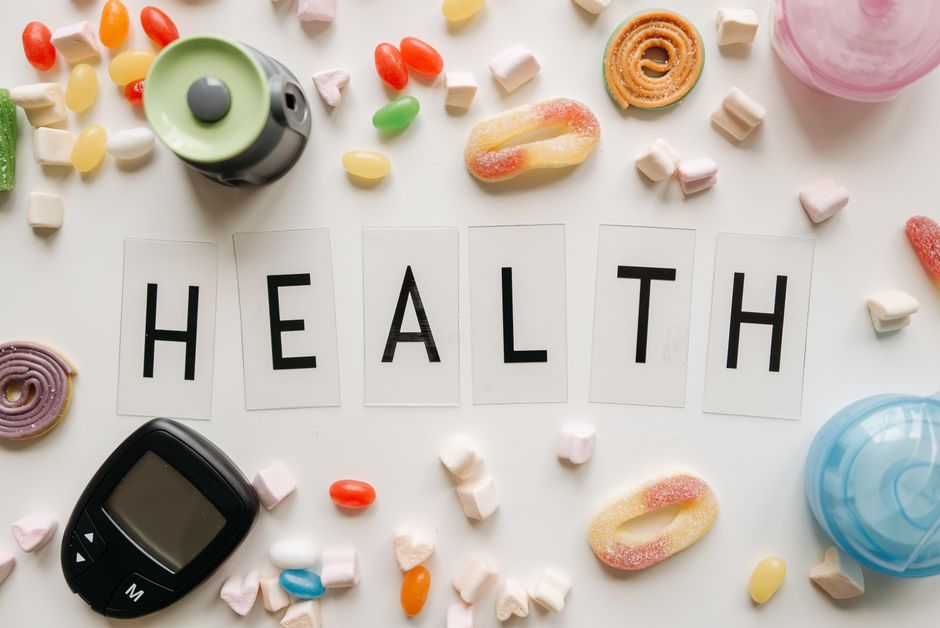
Sugar alcohols can raise blood glucose, but usually far less than regular sugar does. Most of them are absorbed slowly and only partially, so they tend to produce a smaller and slower rise in blood sugar than the same amount of sucrose. The effect is not zero, though, and it varies a lot depending on which sugar alcohol you eat. That distinction matters if you are watching your blood sugar.
Does Sugar Alcohol Affect Blood Glucose?
Yes, but the size of the effect depends on the specific type. Sugar alcohols are a family of carbohydrate-based sweeteners, not a single substance. Their chemical structures differ, and so does the way your body handles each one.
The key factor is how completely each one is absorbed from the gut and how quickly it reaches the bloodstream. Some are absorbed almost completely and do affect blood glucose meaningfully. Others are poorly absorbed and have little effect on blood sugar at usual amounts.
One non-obvious point: the name is misleading. Sugar alcohols are not sugar and they are not alcohol. They are carbohydrates that occur naturally in some fruits and vegetables and are also made commercially. They contain calories, though fewer than sugar.
How Do Sugar Alcohols Affect Blood Sugar Compared to Regular Sugar?
Most sugar alcohols produce a smaller rise in blood glucose than sucrose, the ordinary table sugar. This is the general finding across the category. But “smaller” is not the same as “none,” and the gap between sugar alcohols is wide.
Sucrose is broken down quickly into glucose and fructose and absorbed fast. That drives a rapid blood sugar rise. Sugar alcohols are handled differently. Many are absorbed slowly and incompletely, and some of what is absorbed is processed by the liver before it reaches the general circulation.
The practical result is that a food sweetened with a sugar alcohol usually has less impact on blood glucose than the same food sweetened with sugar. That is a general pattern, not a guarantee for every product or every person.
Two cautions matter here. First, a product labeled “sugar-free” can still contain other carbohydrates that raise blood glucose, such as starch or maltodextrin. Second, the total carbohydrate in a serving still counts. Sugar alcohols are often listed separately on the nutrition label, but they are carbohydrates and they carry calories.
Which Sugar Alcohols Raise Blood Glucose the Most?
The ones your body absorbs most completely have the largest effect. Absorption is the main dividing line across the group.
Maltitol is absorbed fairly well and behaves more like sugar than the others. It has a glycemic effect closer to regular sugar, and it contains more calories than most sugar alcohols. People watching blood sugar often find it is the one to treat most like sugar.
Sorbitol and xylitol sit in the middle. They are absorbed partially and slowly, so they tend to produce a smaller rise than maltitol or sucrose. Erythritol is absorbed almost completely, but it is largely excreted unchanged in urine, so it has very little effect on blood glucose.
Isomalt, lactitol, and mannitol are absorbed poorly and tend to have a modest effect on blood sugar. The table below groups them by how they behave. These are general patterns, not precise numbers for any individual.
| Sugar alcohol | General effect on blood glucose | Notes |
|---|---|---|
| Maltitol | Largest effect in the group | Behaves most like sugar; higher calories |
| Sorbitol | Moderate | Absorbed partially and slowly |
| Xylitol | Moderate | Absorbed partially |
| Isomalt | Modest | Poorly absorbed |
| Lactitol | Modest | Poorly absorbed |
| Mannitol | Modest | Poorly absorbed |
| Erythritol | Very small | Absorbed but mostly excreted unchanged |
These groupings reflect how each one is absorbed and metabolized. They are not a substitute for checking your own blood glucose response, which can differ from person to person.
Why Do Some Sugar Alcohols Raise Blood Glucose Less Than Others?
Absorption and metabolism explain almost all of the difference. The body treats each sugar alcohol according to how easily it crosses from the gut into the blood and what happens to it afterward.
Sugar alcohols that are absorbed slowly and incompletely leave more of themselves in the gut. What stays in the gut is not available to raise blood sugar, though it can draw water into the bowel and cause digestive symptoms. That is why the ones with the smallest blood sugar effect are often the ones most likely to cause bloating or gas.
Erythritol is a special case. It is absorbed well, but the body does not break it down for energy to any meaningful degree. Most of it leaves in urine unchanged. That is why it has little effect on blood glucose despite being well absorbed.
Maltitol is at the other end. It is broken down and absorbed more completely, so more of it reaches the bloodstream as glucose. Its effect on blood sugar is closer to that of sugar.
Are Sugar Alcohols Safe for People With Diabetes?
They can be useful, but they are not a free pass. The American Diabetes Association has noted that sugar alcohols contain fewer calories than sugar and generally have a lower glycemic response, and that they can be used in moderation. That is different from saying they have no effect.
For someone managing diabetes, the practical points are these:
- Check the nutrition label for total carbohydrate, not just “sugar-free” claims.
- Remember that maltitol behaves most like sugar and can raise blood glucose more than the others.
- Watch portion size, since the effect adds up with the amount eaten.
- Check your own blood glucose after trying a new product, because individual responses vary.
Sugar alcohols do not treat or prevent diabetes. They are one tool among many for reducing sugar intake. They should not replace medical guidance or a diabetes care plan. If you take medication that affects blood sugar, talk with your clinician before making big changes to your diet.
Do Sugar Alcohols Cause Digestive Side Effects?
Yes, and this is the most common drawback. Because many sugar alcohols are poorly absorbed, they stay in the gut and can pull water in and ferment, which can cause bloating, gas, and loose stools.
The effect depends on the type and the amount. Erythritol and maltitol are less likely to cause these symptoms at usual amounts, while sorbitol, mannitol, isomalt, and lactitol are more likely to. Large amounts of any of them can cause discomfort.
This is a real trade-off. The sugar alcohols that have the least effect on blood sugar are often the ones most likely to upset the stomach. If you are sensitive, start with small amounts and see how you respond.
How Should You Read a Nutrition Label for Sugar Alcohols?
Look at total carbohydrate first, then find the sugar alcohol line. In the US, sugar alcohols are listed separately under total carbohydrate on the Nutrition Facts label, but they are still counted in the total.
The “sugar-free” claim can be misleading. A food can be labeled sugar-free and still contain starch, maltodextrin, or other carbohydrates that raise blood glucose. The label tells you what is in the product, not what it will do to your blood sugar.
A practical habit: compare the total carbohydrate in a sugar-free product with the regular version. Sometimes the difference is smaller than the marketing suggests. And check the serving size, since the numbers apply to that amount, not the whole package.
What Is the Bottom Line on Sugar Alcohols and Blood Glucose?
Most sugar alcohols raise blood glucose less than regular sugar, and some raise it very little. But they are not calorie-free or effect-free. The type matters, the amount matters, and the rest of the food matters.
If you are watching your blood sugar, treat sugar alcohols as a partial substitute for sugar, not a replacement for careful eating. Maltitol deserves the most caution. Erythritol has the smallest effect. Everything else sits somewhere in between.
The most reliable guide is your own blood glucose response. A food that works well for one person may not for another. Checking after you eat a new product tells you more than any general rule can.
Frequently Asked Questions
Do sugar alcohols raise blood sugar?
Yes, but usually less than regular sugar, and the amount varies by type. Maltitol raises it the most, while erythritol raises it very little.
Is erythritol safe for diabetics?
Erythritol has very little effect on blood glucose because most of it is excreted unchanged in urine. It is still a carbohydrate, so it should be counted, and individual responses vary.
Does maltitol spike blood sugar?
Maltitol has the largest blood glucose effect of the sugar alcohols and behaves most like regular sugar. People watching blood sugar should treat it with the same caution as sugar.
Are sugar alcohols carbs?
Yes, sugar alcohols are carbohydrates and contain calories, though fewer than sugar. They are listed under total carbohydrate on US nutrition labels.
