
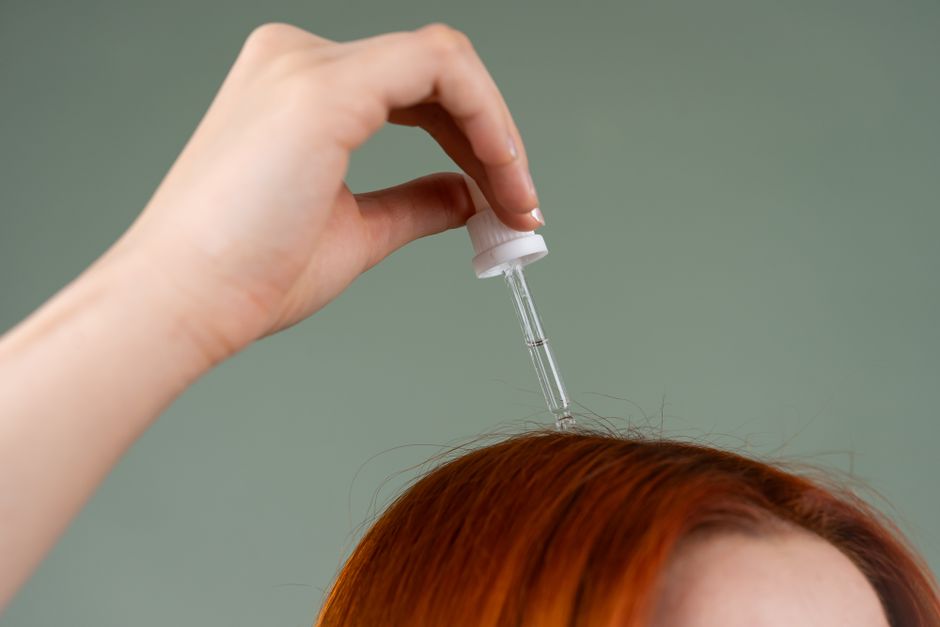
Yes, spironolactone can help with hair loss in women who have androgenetic alopecia, also known as female pattern hair loss. It works by blocking the effects of androgens, the male hormones that can shrink hair follicles over time. The U.S. Food and Drug Administration has not approved spironolactone specifically for hair loss, which means doctors prescribe it “off-label” for this purpose. Many dermatologists recommend it as a second-line treatment when topical minoxidil (Rogaine) is not enough or not tolerated.
How Does Spironolactone Work for Hair Loss?
Spironolactone is a medication originally developed as a diuretic — a “water pill” — to treat high blood pressure and fluid retention. Doctors noticed something interesting over time. Patients taking it reported less hair shedding and thicker hair. This led researchers to study its effects on the hair growth cycle.
The drug works by blocking androgen receptors on hair follicles. It also lowers the production of testosterone and its more potent form, dihydrotestosterone (DHT). DHT is the main hormone responsible for shrinking hair follicles in people genetically prone to pattern hair loss. By reducing DHT activity, spironolactone helps slow or stop this shrinking process.
The American Academy of Dermatology acknowledges spironolactone as a treatment option for female pattern hair loss. However, it is not a first-line therapy. Most dermatologists start with topical minoxidil because it has stronger evidence and FDA approval for hair regrowth. Spironolactone is usually added when minoxidil alone does not give satisfactory results.
Does Spironolactone Help With Hair Loss in All Women?
Research shows spironolactone works best for women with androgenetic alopecia who have normal hormone levels. A 2017 study published in the Journal of the American Academy of Dermatology followed over 400 women taking spironolactone for hair loss. About 70% of them showed improvement or stabilization of their hair loss after one year.
The drug does not work for every type of hair loss. It will not help with telogen effluvium, the temporary shedding that happens after stress, illness, or childbirth. It does not treat alopecia areata, an autoimmune condition where the immune system attacks hair follicles. It also will not regrow hair in areas where follicles have been dead for many years.
Women with high androgen levels often see the best results. This includes women with polycystic ovary syndrome (PCOS), who frequently have elevated testosterone. For these women, spironolactone can address both hair loss and other symptoms like excess facial hair and acne.
What Are the Side Effects and Risks of Spironolactone?
Spironolactone has real side effects that patients need to understand before starting it. The most common ones include breast tenderness, irregular menstrual periods, dizziness, and increased urination. These effects happen because the drug changes hormone levels and acts as a diuretic.
| Side Effect | How Common | What to Expect |
|---|---|---|
| Breast tenderness | About 10-30% of women | Often improves after a few months |
| Irregular periods | Common at higher doses | May require dose adjustment |
| Dizziness | Common in first weeks | Usually resolves with lower starting dose |
| Increased urination | Very common | Take in the morning to avoid nighttime trips |
| High potassium | Rare but serious | Requires regular blood tests |
The most serious risk is hyperkalemia — dangerously high potassium levels. This is why doctors order blood tests before starting spironolactone and periodically while on it. People with kidney disease, diabetes, or those taking certain blood pressure medications are at higher risk.
Spironolactone can cause birth defects. Women who can become pregnant must use effective birth control while taking it. The drug is not recommended during pregnancy or breastfeeding.





What Dose of Spironolactone Is Used for Hair Loss?
Dermatologists typically start patients on a low dose and increase it slowly. The usual starting dose is 25 milligrams once daily. After a few weeks, the dose may go up to 50 milligrams daily. The target dose for hair loss is usually 100 to 200 milligrams per day, split into two doses.
Higher doses tend to work better for hair growth, but they also cause more side effects. Many women find a good balance at 100 milligrams per day. Some do well on 50 milligrams and do not need more.
Results take time. Most women do not see noticeable improvement for at least six months. Some need a full year to see the full effect. Patience is essential. The drug slows hair loss first, and regrowth comes later if it happens at all.
What to Know Before Starting Spironolactone
Before your doctor prescribes spironolactone, you will need a blood test to check your potassium levels and kidney function. This is standard practice and not optional. Your doctor will also check your blood pressure since spironolactone lowers it.
You should avoid salt substitutes that contain potassium. These can raise your potassium levels too high. Foods high in potassium like bananas, oranges, and potatoes are fine in normal amounts, but do not overdo them.
Spironolactone works best when combined with other treatments. Many dermatologists recommend using topical minoxidil alongside it. Some women also use low-level laser therapy or take supplements like iron if they are deficient.
The drug is not a cure. If you stop taking spironolactone, the hair loss will likely return within a few months. This is a treatment you need to stay on for ongoing benefits.
Common Misconceptions About Spironolactone for Hair Loss
A common myth is that spironolactone works for everyone with thinning hair. It does not. As discussed earlier, it only helps women with androgenetic alopecia who have active hair loss. It will not regrow hair on a bald spot that has been smooth for years.
Another misconception is that spironolactone is a quick fix. Some people expect to see new hair growth in a month or two. The reality is that hair grows slowly, about half an inch per month. It takes several months for any treatment to show visible results.
Some people believe spironolactone is dangerous because it is a diuretic. While it does have risks, it has been used safely for decades when properly monitored. The key is working with a doctor who checks your blood work regularly.
There is also a belief that spironolactone works the same as finasteride, the oral medication used for male hair loss. They are different drugs. Finasteride blocks the enzyme that converts testosterone to DHT. Spironolactone blocks the androgen receptor itself. Finasteride is not recommended for women of childbearing age due to birth defect risks, while spironolactone is the more common choice for women.
What to Avoid When Using Spironolactone
Do not take spironolactone without a prescription and regular medical supervision. This is not a supplement you can buy online. It requires monitoring.
Avoid taking nonsteroidal anti-inflammatory drugs (NSAIDs) like ibuprofen or naproxen regularly while on spironolactone. These can increase the risk of kidney damage and raise potassium levels further. Occasional use is usually fine, but check with your doctor.
Do not stop the medication suddenly if you have been taking it for high blood pressure. This can cause your blood pressure to spike. Your doctor will guide you on how to taper off if needed.
Avoid drinking large amounts of alcohol while on spironolactone. Alcohol can lower blood pressure further and increase dizziness. It also puts extra stress on your kidneys.
Do not expect spironolactone to replace a good hair care routine. It treats the hormonal cause of hair loss, but it does not repair damage from heat styling, chemical treatments, or poor nutrition.
Frequently Asked Questions
How long does it take for spironolactone to work for hair loss?
Most women notice a reduction in shedding after three to six months. Visible regrowth takes six to twelve months of consistent use.
Can spironolactone regrow hair on a bald spot?
It can help regrow hair in areas where follicles are still active but miniaturized. It will not regrow hair on completely smooth bald areas where follicles have died.
Is spironolactone safe for long-term use?
Yes, when monitored by a doctor with regular blood tests. Many women take it for years with good results and manageable side effects.
Does spironolactone cause weight gain?
No, it is actually a diuretic that can cause mild weight loss from water loss. Weight gain is not a known side effect of this medication.
