
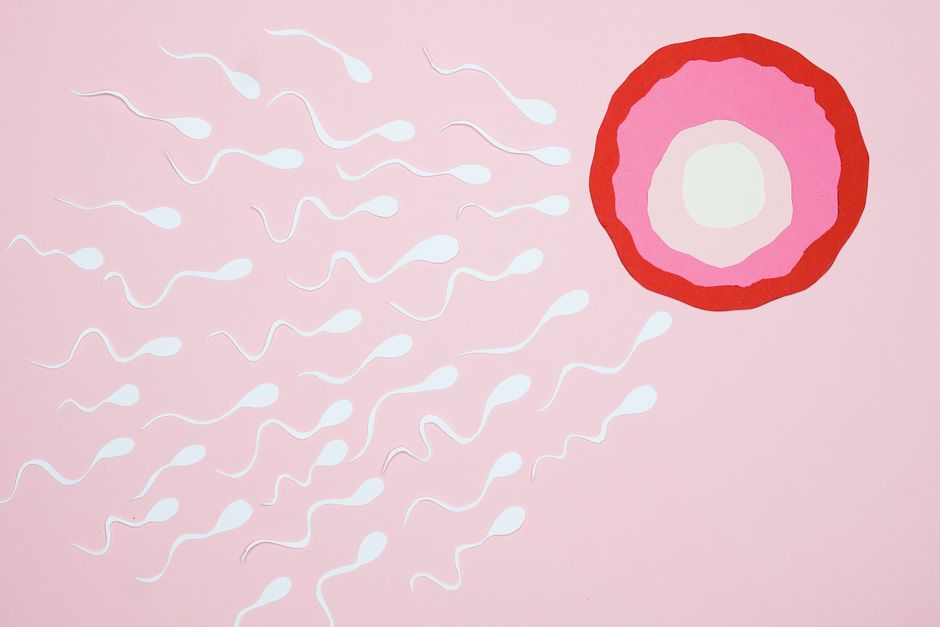
Spironolactone can affect ovulation and fertility, mainly because of how it changes hormone signaling in the body. It is not a birth control pill, and it does not reliably prevent pregnancy. But it can disrupt normal menstrual cycles in some people, and it is not considered safe to use during pregnancy. Anyone trying to conceive or planning a pregnancy should talk with their prescriber before starting or stopping this medication.
Does Spironolactone Affect Ovulation And Fertility?
Yes, it can. Spironolactone is a potassium-sparing diuretic that also blocks the action of androgens, the group of hormones that includes testosterone. That anti-androgen effect is why it is prescribed for conditions like acne and excess hair growth in people with polycystic ovary syndrome (PCOS). It is also why the drug can influence the menstrual cycle.
The key point is that spironolactone is not a contraceptive and does not stop ovulation on purpose. Its effect on ovulation is a side effect of shifting hormone balance, not a designed function. Research on this is not extensive, and much of what clinicians know comes from how the drug behaves in practice rather than from large fertility trials.
Some people notice cycle changes while taking it. Others notice nothing at all. The response varies, and there is no reliable way to predict who will be affected. What is well established is the pregnancy warning: spironolactone is generally avoided during pregnancy, and that shapes how it is used in anyone who could become pregnant.
How Does Spironolactone Work In The Body?
Spironolactone does two main things. First, it blocks aldosterone, a hormone that regulates sodium and potassium balance, which is why it is used as a diuretic for conditions like heart failure and high blood pressure. Second, and more relevant here, it blocks androgen receptors.
Androgens are often thought of as male hormones, but everyone produces them. In the ovaries, androgens are actually precursors — raw material the body converts into estrogen. When spironolactone blocks androgen receptors, it reduces the effects of these hormones on tissues like skin and hair follicles. That is the intended benefit for acne and unwanted hair growth.
The hormonal picture is more complicated than a simple block. Spironolactone can influence the balance of testosterone and estrogen, and it has some progestin-like activity. That combination is what can nudge the menstrual cycle off its usual rhythm in some people.
Can Spironolactone Disrupt Your Menstrual Cycle?
Yes. Cycle changes are a recognized effect of spironolactone, and they are one of the more common reasons people stop taking it. The changes can take different forms.
- Irregular periods, where the timing becomes unpredictable
- Changes in flow, either lighter or heavier
- Spotting between periods
- Missed periods in some cases
These changes usually appear after the drug has had time to affect hormone balance, which can take a few months. They are not universal. Plenty of people take spironolactone for years with no change to their cycle at all.
One clarification that often gets lost: an irregular period is not the same as failed ovulation. A cycle can be irregular while ovulation still occurs. Conversely, a regular-looking cycle does not guarantee ovulation happened. Only tracking methods or clinical testing can confirm whether and when ovulation is occurring. This is why cycle changes on spironolactone should be discussed with a clinician rather than interpreted at home.
Does Spironolactone Affect Fertility?
The evidence here is limited, and it is important to be honest about that. There is no large body of human research showing that spironolactone causes infertility. What exists is a reasonable concern based on mechanism — a drug that shifts hormone balance could, in theory, affect ovulation — plus clinical reports of cycle disruption.
For many people, the fertility question is really about the underlying condition. Spironolactone is frequently prescribed for PCOS, and PCOS itself is a common cause of ovulation problems and difficulty conceiving. In that situation, the medication is not the main fertility factor. The condition being treated is.
There is a genuine gap in the evidence. No well-controlled trials have established that spironolactone improves or harms fertility outcomes in people with PCOS. Some clinicians use it to manage symptoms while a person is not trying to conceive, then adjust the plan when pregnancy is the goal. That is common practice, not a proven fertility strategy.
Is Spironolactone Safe During Pregnancy?
Spironolactone is generally not recommended during pregnancy. This is one of the clearer positions in the clinical literature.
The concern comes from animal studies showing effects on male fetal development when the drug was given during pregnancy. Human data are limited, so the caution rests partly on that animal evidence and on the drug’s anti-androgen mechanism. In practice, most prescribers stop spironolactone when a pregnancy is planned or confirmed.
Because the drug is not a contraceptive, anyone who could become pregnant while taking it needs a reliable form of birth control. This is standard clinical guidance, not a suggestion to improvise. If you are taking spironolactone and think you may be pregnant, contact your prescriber promptly rather than stopping or continuing on your own.
Spironolactone also passes into breast milk. Whether it is compatible with breastfeeding is a decision that depends on individual circumstances, and it should be made with a clinician rather than assumed either way.
What Should You Do If You Want To Get Pregnant?
Talk to your prescriber before you start trying. This is the single most useful step, and it should happen early — ideally before conception is attempted, not after.
The conversation usually covers a few things. Your clinician will want to know your timeline for pregnancy and whether spironolactone is still needed for your symptoms. In many cases the drug is tapered or stopped ahead of conception. How and when that happens is individual, and it should not be done abruptly without guidance.
It also helps to address the underlying condition directly. If you have PCOS and are trying to conceive, there are established approaches to supporting ovulation that differ from spironolactone’s role. Those are decisions for you and your clinician, based on your history and test results.
If your cycles have become irregular on spironolactone and you are not sure whether you are ovulating, that is worth raising too. It is a common question and a reasonable one.
What Are The Alternatives To Spironolactone?
Alternatives depend entirely on what the spironolactone is treating. There is no single substitute, and what works for acne is not the same as what works for high blood pressure.
For androgen-related skin and hair concerns, some clinicians use other anti-androgen approaches or topical treatments. For PCOS symptom management, the options range from lifestyle and metabolic approaches to hormonal medications. For the diuretic uses of spironolactone, other blood pressure or fluid-management drugs exist, but they are not interchangeable and must be chosen by a clinician.
The evidence for these alternatives varies widely. Some are well studied; others rest on smaller trials or clinical experience. What matters is matching the option to the condition and to your pregnancy plans. That is not a decision to make from a list — it belongs in a conversation with the person who knows your history.
Frequently Asked Questions
Does spironolactone stop ovulation?
No, it is not designed to stop ovulation and is not a contraceptive. It can disrupt the menstrual cycle in some people, but ovulation may still occur, so it should never be relied on to prevent pregnancy.
Can you get pregnant while taking spironolactone?
Yes, pregnancy is possible while taking spironolactone because it does not prevent ovulation reliably. Because the drug is generally avoided in pregnancy, reliable birth control is important if you could become pregnant.
Does spironolactone cause infertility?
There is no strong human evidence that spironolactone causes infertility. The bigger fertility factor is often the condition it treats, such as PCOS, which is itself a common cause of ovulation problems.
Should I stop spironolactone before trying to conceive?
Many prescribers stop spironolactone before conception because it is generally avoided in pregnancy. Do not stop it on your own — the timing and tapering should be planned with your clinician.
