
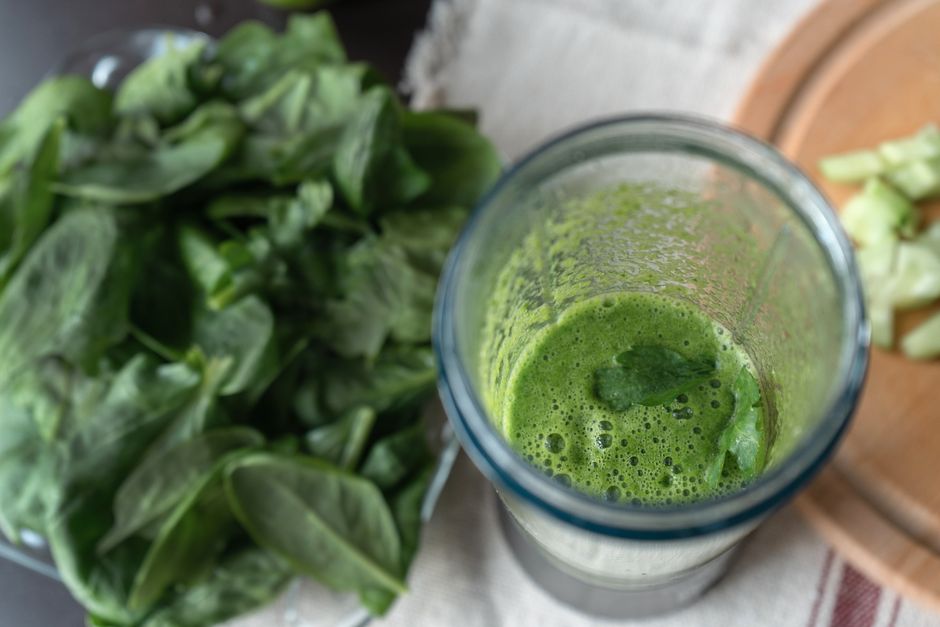
Spinach can cause diarrhea for some people, but it is not a common trigger for most. The main culprits are the high fiber content, a natural sugar called raffinose, and in some cases, contamination with bacteria. For most people, eating a normal portion of spinach is completely fine, but larger amounts or certain digestive conditions can change that.
What Is It About Spinach That Can Upset Your Stomach?
Spinach is a leafy green vegetable packed with nutrients like iron, vitamin K, and folate. But it also contains several components that can be hard on the digestive system.
The most common reason spinach causes loose stools is its fiber content. A single cup of cooked spinach contains about 4 grams of fiber. Fiber is essential for healthy digestion, but a sudden increase can cause gas, bloating, and diarrhea as your gut adjusts.
Spinach also contains raffinose, a type of carbohydrate that the human body cannot break down. It passes into the large intestine undigested, where bacteria ferment it. That fermentation produces gas and can draw water into the bowel, leading to loose stools.
Another factor is oxalates. Spinach is very high in oxalic acid. For most people, oxalates pass through without trouble. But in sensitive individuals, they can irritate the gut lining and contribute to digestive upset.
How Much Spinach Is Too Much?
There is no official limit for spinach consumption. But portion size matters when it comes to digestive symptoms.
A standard serving is about 2 cups of raw spinach or 1 cup cooked. Most people tolerate this amount well. Problems usually appear when someone eats a large salad bowl daily or drinks green smoothies with several handfuls of spinach.
If you are not used to eating high-fiber foods, suddenly adding large amounts of spinach can overwhelm your digestive system. The gut needs time to adapt to increased fiber intake. A sudden jump from 10 grams to 30 grams of fiber per day is a common cause of temporary diarrhea.
Some research suggests that cooking spinach reduces its fiber content slightly and makes it easier to digest. Steaming or sautéing breaks down some of the plant cell walls, which can help people with sensitive stomachs.
Food Poisoning and Contamination Risks
Spinach can cause diarrhea for a different reason entirely — bacterial contamination. Raw spinach has been linked to several outbreaks of foodborne illness.
The most notable pathogen associated with spinach is E. coli. In 2006, a major outbreak linked to bagged spinach sickened hundreds of people across the United States. Since then, the industry has improved safety practices, but contamination still occurs.
Symptoms of food poisoning from contaminated spinach typically include watery diarrhea, abdominal cramps, nausea, and sometimes vomiting. These symptoms usually appear within 1 to 3 days after eating the contaminated food.
If your diarrhea starts within hours of eating spinach and is accompanied by fever or bloody stools, food poisoning is a real possibility. This is different from the mild digestive upset caused by fiber or raffinose.
Washing spinach thoroughly reduces but does not eliminate the risk. Cooking spinach kills most harmful bacteria. People with weakened immune systems, pregnant women, and older adults should consider cooking their spinach rather than eating it raw.
Irritable Bowel Syndrome and Spinach Sensitivity
People with irritable bowel syndrome (IBS) may be more sensitive to spinach than others. The FODMAP diet, often used to manage IBS symptoms, has specific guidance on spinach.
Spinach is actually considered low in FODMAPs. That means it is generally well-tolerated by people with IBS. However, individual responses vary. Some people with IBS still report symptoms after eating spinach, likely due to its fiber content or oxalates.
If you have IBS and notice diarrhea after eating spinach, try reducing the portion size. A small handful of raw spinach in a salad is often better tolerated than a large cooked portion. Keeping a food diary can help you identify your personal tolerance level.
Another consideration is histamine intolerance. Spinach is a high-histamine food. While this is not a well-studied area, some people with histamine intolerance report digestive symptoms after eating high-histamine foods. This connection is debated in the medical community, and no large clinical trials have confirmed it.
How Long Does Spinach-Related Diarrhea Last?
Diarrhea caused by the fiber or raffinose in spinach typically resolves within 24 to 48 hours. Once the spinach passes through your system, symptoms should stop.
If the diarrhea is caused by food poisoning, it may last longer. Bacterial infections generally clear within 3 to 7 days without treatment. The key is staying hydrated during this time.
See a doctor if diarrhea lasts more than 3 days, is accompanied by a fever above 101°F, or contains blood. These signs may indicate a more serious infection that requires medical attention.
Dehydration is the main risk with any diarrhea. Drink plenty of water and consider oral rehydration solutions if symptoms are severe. Avoid dairy products and very sugary drinks, which can worsen diarrhea.
Does Organic Spinach Cause Fewer Digestive Problems?
Organic spinach is not necessarily easier to digest. The fiber, raffinose, and oxalate content is essentially the same whether the spinach is grown organically or conventionally.
Organic farming practices do reduce pesticide residues. Some people report fewer digestive symptoms with organic produce, but no clinical evidence currently confirms that organic spinach causes less diarrhea.
If you suspect pesticides are bothering you, organic spinach is a reasonable choice. But if your symptoms come from the fiber or raffinose, switching to organic will not help.
What Else in Your Diet Could Be Causing the Diarrhea?
Sometimes spinach gets blamed for diarrhea when another ingredient is the real culprit. Spinach salads often contain other high-fiber vegetables, nuts, seeds, or dressings that can cause digestive upset.
Common diarrhea triggers that often accompany spinach include:
- Dairy-based dressings (for people with lactose intolerance)
- Nuts and seeds (high in fiber and fat)
- Artificial sweeteners in smoothies or dressings
- High-sugar fruits in green smoothies
- Other leafy greens like kale or arugula
If you ate a spinach salad and developed diarrhea, consider the whole meal. Try plain cooked spinach on its own to see if it actually triggers symptoms for you.
How to Eat Spinach Without Digestive Problems
If you enjoy spinach but want to avoid diarrhea, several strategies can help.
Cook your spinach. Cooking breaks down some of the fiber and makes the vegetable easier to digest. Steaming, sautéing, or wilting spinach in soups are all gentle preparation methods.
Increase portions gradually. If you are not used to eating spinach regularly, start with small amounts. Add a handful to your meals and slowly increase over several weeks.
Drink plenty of water. Fiber needs water to move through the digestive tract. Without enough fluids, fiber can cause constipation. With too much fiber at once, it can cause diarrhea. Adequate hydration helps balance this.
Chew thoroughly. Chewing breaks down plant cell walls and starts the digestive process in your mouth. Taking time to chew spinach well reduces the work your intestines have to do.
Try baby spinach. Baby spinach is younger and tends to have slightly lower fiber content than mature spinach. Some people find it easier to digest.
When to See a Doctor
Occasional diarrhea after eating a large amount of spinach is not usually a cause for concern. But persistent symptoms deserve medical attention.
Contact a doctor if you experience any of the following:
- Diarrhea lasting more than 3 days
- Signs of dehydration (dark urine, dizziness, dry mouth)
- Blood in your stool
- Fever above 101°F
- Severe abdominal pain
- Unexplained weight loss
These symptoms could indicate a foodborne infection, an underlying digestive condition, or another medical issue that needs evaluation.
Frequently Asked Questions
Can eating too much spinach cause diarrhea?
Yes, eating a large amount of spinach can cause diarrhea due to its high fiber content and raffinose, a carbohydrate the body cannot digest. This is more likely if you are not used to eating high-fiber foods.
How long does diarrhea from spinach last?
Diarrhea caused by the fiber or natural sugars in spinach usually resolves within 24 to 48 hours. If diarrhea lasts longer than 3 days, see a doctor.
Is cooked spinach easier to digest than raw spinach?
Yes, cooking spinach breaks down plant cell walls and reduces the fiber content slightly, making it easier to digest. Steaming or sautéing is gentler on the stomach than eating large amounts of raw spinach.
Can spinach cause diarrhea in people with IBS?
Spinach is considered low in FODMAPs and is generally well-tolerated by people with IBS, but individual responses vary. Some people with IBS still experience symptoms from the fiber or oxalates in spinach.
