
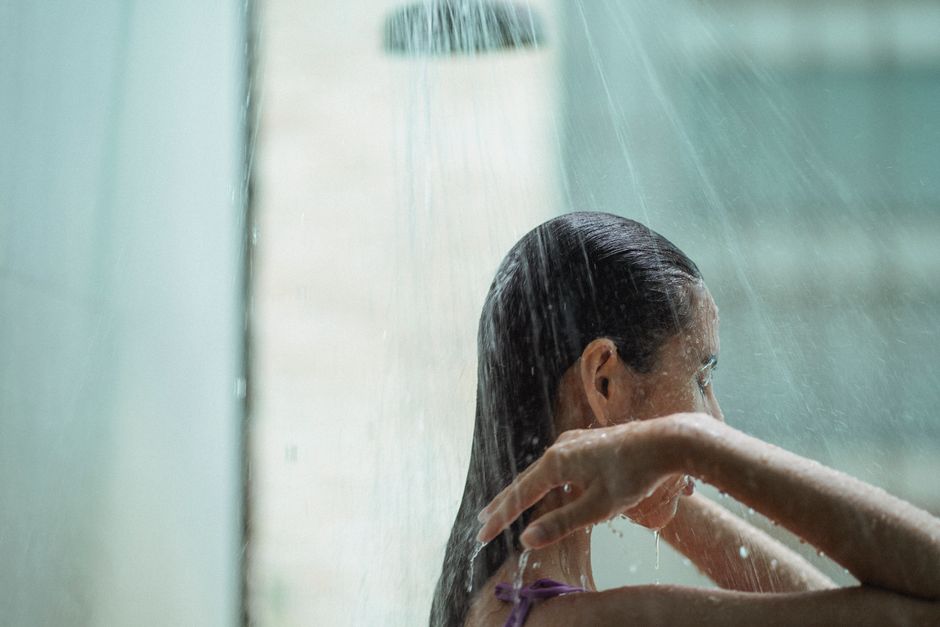
If you’ve recently installed a water softener and your hair suddenly feels flat, heavy, or greasy by the end of the day, the softener is likely the culprit. Soft water does not make your hair produce more oil, but it changes how that oil behaves on your strands. Because soft water lacks the minerals that hard water has, it allows your natural sebum to spread more easily and fully coat each hair shaft, which can make your hair look and feel greasier than it did before.
Why Does Soft Water Make Your Hair Feel Greasy?
The short answer is that soft water rinses away less of your natural oil. Hard water contains calcium and magnesium. These minerals bind to your hair and create a rough, dry coating. That coating makes your hair feel squeaky clean after washing, even when it isn’t necessarily cleaner. It also prevents your natural sebum from spreading down the hair shaft, so the oil stays mostly at the scalp.
Soft water does the opposite. With the minerals gone, your hair is smoother and more porous. Your natural oil can travel down the entire strand from root to tip. The result is hair that looks oily and weighed down, even though your scalp is producing the same amount of oil it always has.
This effect is most noticeable for people with fine hair. Fine hair strands are thinner, so any coating of oil is more visible. People with thick or coarse hair may not notice the change at all, or they may actually prefer how soft water feels.
Is Soft Water Damaging Your Hair or Just Changing It?
Soft water is not damaging your hair. It is not stripping your hair or causing breakage. In fact, many people find soft water makes their hair feel softer and more manageable. The greasy appearance is a cosmetic change, not a sign of harm.
What is happening is a shift in the balance of oils on your scalp. Your scalp produces sebum at the same rate as before. The water change simply alters how that oil behaves. Some dermatologists describe this as a transition period. Your hair and scalp are adjusting to a new environment, and that adjustment can take a few weeks.
There is no evidence that soft water causes scalp conditions or long-term hair problems. The greasy feeling is temporary for most people, and it often resolves as your scalp adjusts its oil production to the new conditions. Some people find their scalp produces slightly less oil over time because the soft water removes it more efficiently, but this is not guaranteed and varies from person to person.
How Long Does the Greasy Phase Last?
For most people, the greasy phase lasts between two and six weeks. This is not a hard rule. Some people adjust quickly, others never fully adjust and need to change their hair care routine permanently.
Your scalp does not “know” you switched water. The adjustment happens because your hair’s surface properties change. With soft water, your hair holds onto less mineral buildup, so oils distribute differently. Your scalp may respond by producing more or less oil, but that response is individual.
If you are six weeks into soft water use and your hair still looks greasy by midday, you likely need to change how you wash and condition your hair. Waiting longer without changing your routine probably will not help.





Does Soft Water Make Your Hair Greasy Causes Fixes: What Actually Works
If soft water is making your hair look greasy, the fix is not to remove your water softener. The fix is to adjust your hair care routine to work with soft water instead of against it.
Here are the changes that help most people:
- Shampoo less often. With soft water, you may not need to wash daily. Your hair gets less dirty because there is no mineral buildup attracting grime.
- Use less shampoo. A quarter-sized amount is often enough. Soft water lathers more easily than hard water, so a little goes further.
- Condition only the ends. Keep conditioner off your scalp. The oil from your scalp already provides moisture to the roots; adding conditioner there is redundant and increases the greasy look.
- Rinse thoroughly. Soft water rinses clean, but leftover product can still build up. Rinse for an extra 30 seconds to ensure nothing remains.
- Try a clarifying shampoo once a week. This removes any product buildup that soft water alone cannot strip away.
- Use dry shampoo between washes. This absorbs oil at the roots without requiring a full wash.
Some people find that washing with cooler water helps. Hot water stimulates oil production and can make the greasy feeling worse. Warm or cool water is gentler on your scalp and hair.
What About Hard Water and Hair Grease?
It is worth understanding the opposite side of this issue. Hard water can also make hair look greasy, but for a different reason. Hard water minerals build up on the hair over time. This buildup can trap oil and product residue, making hair look dull and weighed down.
Many people who switch from hard to soft water notice their hair looks cleaner but feels “too soft” or “slippery.” That slippery feeling is often mistaken for grease. Your hair is not dirty. It is simply smoother than you are used to.
If you are not sure whether your water is hard or soft, you can check with a simple home test kit. Local water utility companies also publish water hardness reports. Knowing your water hardness helps you understand what your hair is actually reacting to.
When Greasy Hair Is Not About Your Water
Soft water is a common cause of sudden greasy hair, but it is not the only cause. Hormonal changes, stress, diet, and hair products can all affect oil production. If you changed your shampoo or conditioner at the same time you installed the softener, that product change could be the real issue.
Some hair products contain oils and silicones that are heavy on their own. Combining those with soft water can amplify the greasy effect. Check your product labels for words like “coconut oil,” “argan oil,” or “dimethicone.” These ingredients coat the hair and can contribute to a heavy, oily feel.
If your hair was greasy before the softener and remains greasy after, the water is probably not the main factor. Talk to a dermatologist if you have persistent scalp oiliness, flaking, or itching. These symptoms can indicate an underlying scalp condition that needs medical attention.
Does Soft Water Affect Colored or Treated Hair Differently?
Colored hair responds to soft water differently than virgin hair. Soft water is generally better for colored hair because it does not strip color as aggressively as hard water. The minerals in hard water can open the hair cuticle and cause color to fade faster.
However, the greasy effect can be more pronounced on colored hair. Chemical treatments open the hair cuticle and make the strand more porous. Porous hair absorbs more oil and product, which can lead to a greasy appearance more quickly.
If you have colored hair and are struggling with soft water grease, consider using a sulfate-free shampoo. Sulfates are harsh detergents that can strip color and over-clean the hair, which sometimes triggers the scalp to produce more oil as compensation.
Is There a Way to Keep Soft Water Benefits Without the Grease?
Yes. Many people find a middle ground by using a shower filter that adds back some minerals or by doing a final rinse with bottled water. This is not necessary for everyone, but it can help if your hair is extremely reactive to soft water.
Another option is an acidifying rinse. A diluted apple cider vinegar rinse can help close the hair cuticle and reduce the slippery, greasy feeling. Use one to two tablespoons of apple cider vinegar mixed with a cup of water. Apply it after shampooing, leave it for a minute, and rinse thoroughly. This is a common home remedy, but its effectiveness varies. Some people find it very helpful; others notice no difference.
If you are considering removing your water softener entirely, weigh the benefits. Soft water protects your plumbing, extends the life of your water heater, and makes soap and detergent work more efficiently. The hair grease issue is manageable with routine changes. For most people, the trade-off is worth it.
Frequently Asked Questions
Will my hair stop being greasy with soft water?
For many people, yes, within two to six weeks. Your scalp may adjust its oil production, and your hair will adapt to the new water chemistry.
Should I wash my hair more often with soft water?
No, washing more often can make the problem worse. Washing less frequently and using less shampoo often helps reduce the greasy look.
Does a water softener strip natural oils from hair?
No, soft water does not strip natural oils more than hard water. It actually allows oils to spread more evenly, which is why hair looks greasier.
Can I use a shower filter to fix greasy hair from soft water?
Some people find a shower filter helps by adding minerals back to the water. The evidence is anecdotal, and results vary from person to person.
