
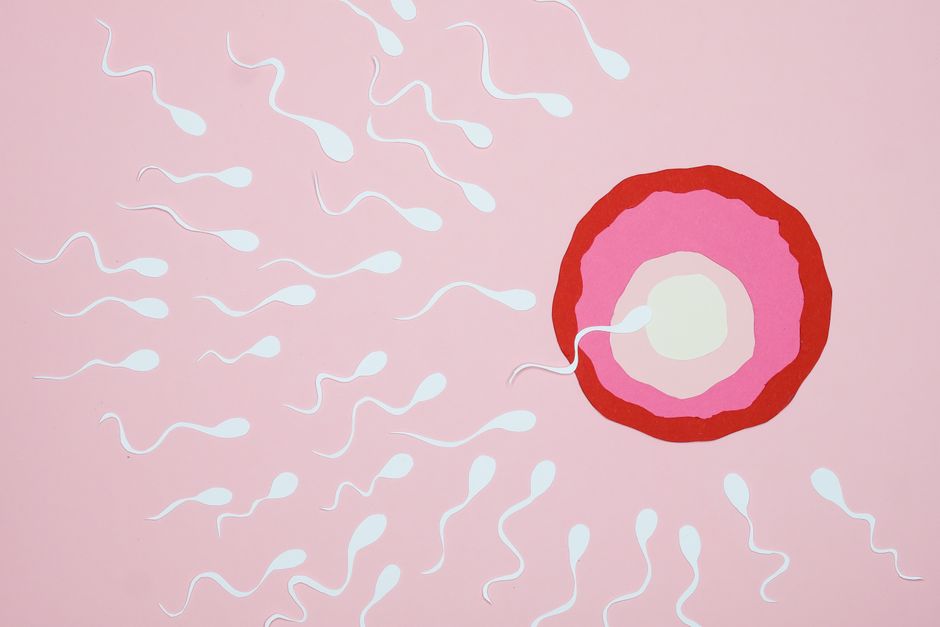
Drinking soda does not kill sperm outright, but regular consumption is linked to measurable changes in sperm quality in some studies. The strongest evidence points to sperm motility and morphology rather than sperm count alone. An occasional soda is unlikely to matter for fertility. Daily intake, especially of sugar-sweetened varieties, is where researchers see the clearest associations.
What Research Actually Shows About Soda and Sperm
The evidence linking soda to sperm changes comes mostly from observational studies. These studies follow large groups of men, track what they drink, and measure sperm parameters. They can show associations. They cannot prove that soda itself causes the change.
A widely cited study published in Human Reproduction looked at young men in Denmark and found that those who drank more than about one liter of cola per day had lower sperm concentration and total sperm count compared with men who drank less. The same study did not find the same pattern with other sugary drinks, which raised questions about whether something specific to cola, or to the men who drink a lot of it, was responsible.
Other studies have reported associations between sugar-sweetened beverage intake and lower sperm motility. Results vary between studies. Some find effects on concentration, others on motility, and some find no significant effect at all. The evidence is mixed, not settled.
What no study has shown is that soda kills sperm. Sperm are not poisoned by a soft drink. The concern is a gradual shift in sperm quality markers across a population of regular drinkers, not a direct toxic effect.
Does Soda Kill Sperm and Affect Male Fertility?
Soda does not kill sperm. The more accurate question is whether heavy soda consumption is associated with lower sperm quality, and whether that translates into real fertility problems.
Sperm quality is measured in several ways:
- Concentration — how many sperm are present per milliliter of semen
- Total count — the total number of sperm in a sample
- Motility — the percentage of sperm that are moving, and moving in a forward direction
- Morphology — the percentage of sperm with a normal shape
Fertility depends on all of these, plus factors that sperm testing does not capture, such as DNA fragmentation and the health of the reproductive tract. A man can have lower-than-average sperm concentration and still father a child. A man can have normal-looking sperm on a standard test and still face fertility difficulty.
This is the key point. Sperm parameters are not the same as fertility outcomes. A statistical association between soda and sperm concentration does not automatically mean soda causes infertility.
How Could Soda Affect Sperm at All?
The proposed mechanisms are plausible but not fully proven. Several pathways have been suggested.
Oxidative stress is the most discussed. High sugar intake can promote oxidative stress in the body, and sperm are unusually vulnerable to oxidative damage because their cell membranes contain large amounts of polyunsaturated fats. Oxidative stress is a recognized contributor to sperm DNA damage and reduced motility. Whether soda consumption raises oxidative stress enough in the reproductive tract to change sperm quality is not established.
Insulin resistance is another pathway. Chronic high sugar intake can contribute to insulin resistance, which is associated with hormonal changes that affect sperm production. Again, this is a chain of associations, not a demonstrated direct line from soda to sperm damage.
Weight and metabolic health matter here. Obesity is linked to lower sperm quality in multiple studies. If soda contributes to weight gain, the effect on sperm may be indirect, working through body weight and metabolic health rather than through soda itself.
Caffeine is present in many sodas. Research on caffeine and male fertility has generally not found strong negative effects at typical consumption levels. Some studies suggest very high caffeine intake may be a concern, but the evidence is not consistent.
A non-obvious point: the strongest sperm-related signal in several studies came from cola specifically, not all sugary drinks. Researchers have not settled on why. It may relate to something in cola, or it may be that heavy cola drinkers differ from other soda drinkers in ways the studies could not fully account for.





How Much Soda Is Too Much for Sperm Health?
No official guideline sets a soda limit specifically for sperm health. That guidance does not exist. What exists is general dietary advice and the observational data.
The studies that found associations generally looked at men drinking roughly a liter or more of soda per day. That is a substantial amount, well above occasional consumption. Men drinking smaller amounts did not consistently show the same changes.
General dietary guidance from major health organizations recommends limiting added sugars. The American Heart Association suggests men limit added sugars to no more than 36 grams per day, and women to 25 grams. A single 12-ounce can of regular soda contains roughly 39 grams of sugar, which already exceeds the daily recommended limit for men. This is not a sperm-specific recommendation. It is general guidance that happens to be relevant.
For fertility specifically, the honest position is this: reducing heavy soda intake is reasonable, low-risk, and consistent with general health advice. Whether it will measurably improve an individual man’s sperm quality is not something current evidence can promise.
Other Lifestyle Factors That Matter More
Sperm quality is affected by many factors, and some have stronger evidence than soda. If fertility is a concern, these deserve attention.
- Heat exposure — sperm production is sensitive to temperature. Frequent hot tubs, saunas, or laptops resting on the lap for long periods may raise scrotal temperature.
- Smoking — cigarette smoking is associated with lower sperm count and motility in a large body of research.
- Alcohol — heavy drinking is linked to lower sperm quality and altered hormone levels.
- Weight — obesity is associated with lower sperm quality and hormonal changes.
- Certain medications — some prescription drugs, including certain testosterone products, can suppress sperm production.
- Age — sperm quality tends to decline gradually with age, though the effect is less dramatic than in women.
Soda is one small piece of a larger picture. A man who drinks soda daily but also smokes and is sedentary has more pressing factors to address.
Should You Stop Drinking Soda to Protect Fertility?
There is no evidence that stopping soda will restore or improve sperm quality in any guaranteed way. The evidence supports reducing heavy intake as a sensible general health choice, not as a fertility treatment.
If you drink soda occasionally, the research does not suggest you need to worry about your sperm. If you drink a liter or more daily, cutting back is a reasonable step. It is also a step that fits with broader advice about sugar, weight, and metabolic health.
If you and your partner have been trying to conceive for a year or more without success, or six months if the woman is over 35, the right move is a medical evaluation. Sperm analysis is a standard, straightforward test. A doctor can identify causes that have nothing to do with diet and that no dietary change would fix.
Soda is not a sperm killer. It is one factor among many, with a modest and inconsistent association in the research. Treat it as part of a bigger conversation about lifestyle and fertility, not as the headline.
Frequently Asked Questions
Does soda kill sperm immediately?
No. Soda does not kill sperm on contact or after drinking it. The concern in research is a gradual association between heavy soda intake and lower sperm quality markers, not a direct toxic effect.
Can drinking soda cause infertility in men?
No study has shown that soda causes male infertility. Some research links heavy soda consumption to lower sperm concentration or motility, but sperm quality markers are not the same as fertility outcomes.
How much soda is safe for sperm health?
No official guideline sets a soda limit for sperm health. Studies that found associations typically involved men drinking about a liter or more per day, well above occasional intake.
Will cutting out soda improve my sperm count?
There is no evidence that cutting soda will reliably improve sperm count. Reducing heavy intake is a reasonable general health step, but it is not a proven fertility treatment.
