
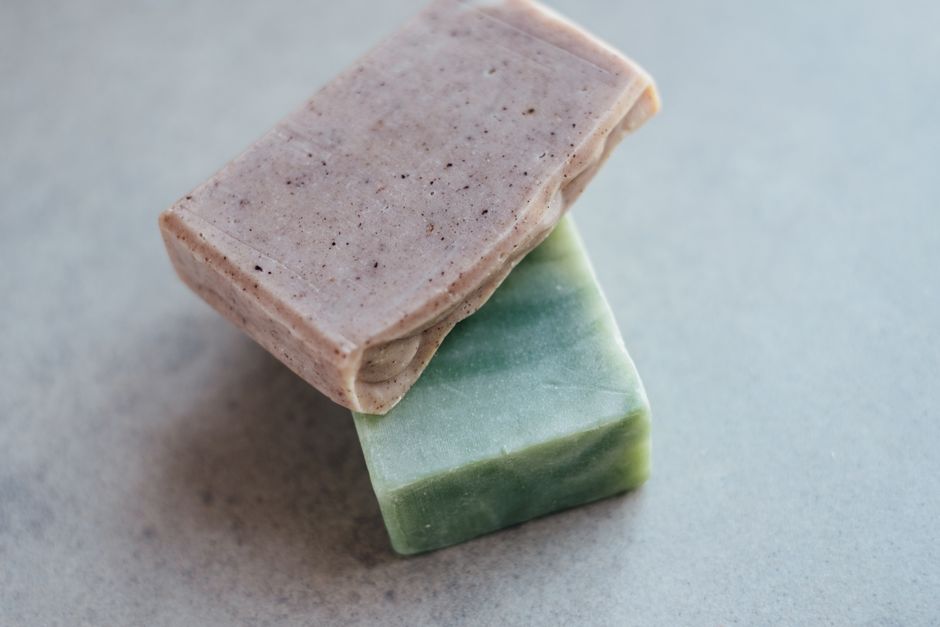
Soap and water will remove herpes virus particles from your hands and skin, but soap does not reliably kill the virus. The herpes simplex virus is wrapped in a fatty outer layer called an envelope. Soap molecules break that envelope apart, which does inactivate the virus on contact. The catch is that this happens best when the virus is loose on a surface or suspended in water, not when it has already entered skin cells or is sitting in a blister.
That distinction matters for everyday life. Washing your hands after touching a cold sore reduces the chance of spreading the virus to your eyes, genitals, or another person. But washing an active sore itself does not cure it, shorten it, or make it non-contagious.
Does Soap Kill The Herpes Virus?
Soap can inactivate herpes simplex virus on skin and surfaces, and this is a well-established property of enveloped viruses. The fatty envelope that surrounds the virus is what soap attacks. When that envelope is destroyed, the virus can no longer attach to and enter a host cell, so it cannot infect.
Two things make this less simple than it sounds. First, soap needs contact time and mechanical action. A quick rinse is not the same as a thorough 20-second wash with friction. Second, soap works on virus that is outside the body. Once herpes simplex virus has entered your skin cells, no soap, sanitizer, or cleanser can reach it. The virus then travels into nerve tissue, where it stays for life.
So the accurate statement is this: soap inactivates herpes virus on the outside of the body. It does not treat an infection already underway.
How Does Soap Actually Destroy the Virus?
Herpes simplex virus belongs to a group called enveloped viruses. Its genetic material is wrapped in a lipid membrane, and that membrane is studded with proteins the virus uses to latch onto and enter your cells.
Soap molecules have two ends. One end attaches to water. The other end attaches to fats and oils. When soap meets the virus, the fat-loving ends push into the viral envelope and pry it apart. Without an intact envelope, the virus loses the protein tools it needs to infect a cell. It is essentially disarmed.
This is why plain soap works and why it works against many viruses at once. The mechanism is physical and chemical, not a targeted drug. It also explains why alcohol-based hand sanitizers can inactivate herpes simplex virus — alcohol dissolves the same fatty envelope. The key limitation for both is the same: the virus has to still be outside the body.
Does Washing a Cold Sore or Genital Sore Help?
Washing a sore with soap and water does not kill the virus inside it. The virus is already inside your skin cells and nerve endings, and the fluid in a blister is teeming with infectious particles that soap cannot reach.
Gentle washing is still reasonable for basic hygiene and to keep the area clean. But it will not shorten an outbreak, and it does not make the sore safe to touch or share items with. The fluid and the skin around an active sore remain contagious until the sore has fully crusted and healed.
Rubbing or scrubbing a sore can irritate the skin and may make things worse. If you wash the area, keep it gentle. Do not share towels, lip balm, cups, or utensils while a sore is active.




Can You Get Herpes From a Toilet Seat or Shared Surface?
This is one of the most persistent myths about herpes. You are very unlikely to get genital herpes from a toilet seat, a towel, or a shared surface.
The reason is biology. Herpes simplex virus is fragile outside the body. It needs a warm, moist environment and direct contact with skin or mucous membranes to infect. On a dry, cool surface like a toilet seat, the virus loses its ability to infect within a short time. Even if some virus survived on a surface, it would still need to reach a mucous membrane or broken skin to cause infection.
Transmission almost always happens through direct skin-to-skin contact with an infected area. That includes kissing, sexual contact, and touching an active sore and then touching your own eyes or genitals. Surfaces are not the main route, and soap does not need to rescue you from a toilet seat.
What Actually Prevents Herpes Transmission?
Preventing transmission comes down to avoiding direct contact with infectious skin and fluids. Soap plays a supporting role by removing virus from your hands before you touch your own mucous membranes or another person.
- Wash your hands with soap and water after any contact with a sore or blister.
- Avoid kissing or sharing items during an active cold sore outbreak.
- Avoid sexual contact during an active genital outbreak, and use barrier protection between outbreaks.
- Do not touch a sore and then touch your eyes. This is a real route to eye infection.
- Keep your own towels, razors, and lip products separate during an outbreak.
It is worth knowing that herpes can spread even when no sore is visible. This is called asymptomatic shedding, and it is a major reason the virus is so common. Soap on your hands lowers risk but does not eliminate it, because the virus can be present on skin that looks completely normal.
Does Soap Cure or Treat Herpes?
No. Soap does not cure or treat a herpes infection, and no topical cleanser does either. Once herpes simplex virus enters your body, it establishes a lifelong presence in nerve cells. It can stay quiet for long periods and reactivate later.
There is no cure for herpes. There are prescription antiviral medications that can reduce the frequency and severity of outbreaks and lower the chance of passing the virus to a partner. These are the treatments with real evidence behind them, and they require a prescription and a clinician’s guidance.
Be cautious of any product that claims to kill the virus on or inside the body. No soap, cream, or supplement has been shown to eliminate herpes. If a product promises a cure, that claim is not supported by clinical evidence.
Does Soap Work Better Than Hand Sanitizer for Herpes?
Both soap and alcohol-based sanitizer can inactivate herpes simplex virus on your hands. The choice matters less than using one properly.
Soap and water is the better option when your hands are visibly dirty or after contact with body fluids. Hand sanitizer is a practical backup when soap is not available. The important point is not which one wins. It is that neither one treats an infection that has already started.
One practical note: soap and water is generally gentler on skin than frequent sanitizer use, and intact skin is a better barrier. Dry, cracked hands give virus and bacteria more opportunity to get in.
What Should You Do If You Think You Have Herpes?
See a healthcare provider. Herpes is common, and it is manageable. A clinician can confirm the diagnosis, which matters because other conditions can cause similar sores.
Testing is not always straightforward. A visible outbreak can sometimes be swabbed and tested directly. Blood tests can detect antibodies, but they have limitations and are not always reliable for every situation. A clinician can explain what testing makes sense for you.
If you are diagnosed, prescription antivirals can help. Soap and water remain useful for hand hygiene, but they are not a treatment. Understanding that difference protects you and the people around you.
Frequently Asked Questions
Does soap kill the herpes virus on your hands?
Yes, soap can inactivate herpes simplex virus on your hands by breaking down its fatty outer envelope. Thorough washing with friction and contact time removes and disarms the virus before it can reach your eyes, genitals, or another person.
Can washing with soap cure a cold sore?
No, washing a cold sore does not cure it or shorten the outbreak. The virus is already inside your skin cells, so soap cannot reach it, though gentle washing is fine for basic hygiene.
Can you get herpes from a toilet seat?
It is very unlikely. Herpes simplex virus is fragile outside the body and needs direct skin-to-skin contact to infect, so shared surfaces like toilet seats are not a meaningful route of transmission.
Does hand sanitizer kill herpes virus?
Alcohol-based hand sanitizer can inactivate herpes simplex virus on your hands because alcohol dissolves the virus’s fatty envelope. Like soap, it only works on virus that is still outside the body.
