

Yes. Smokeless tobacco raises blood pressure, and it does so through the same active drug found in cigarettes: nicotine. Whether you use snuff, chewing tobacco, snus, or dissolvable nicotine products, the nicotine absorbs through the lining of your mouth into your bloodstream. From there it triggers a chain of effects that tighten blood vessels and push your blood pressure upward.
That short-term rise is well documented. What matters more for long-term health is whether regular use keeps blood pressure elevated over time and what that means for your heart and arteries. The answers are more nuanced than most people expect, and they differ in important ways from what happens with smoking.
How Does Smokeless Tobacco Affect Blood Pressure?
Nicotine is a stimulant, and it acts on the nervous system within seconds of entering the bloodstream. It causes blood vessels to narrow and prompts the release of hormones like epinephrine. The result is a measurable jump in both heart rate and blood pressure.
This is not a subtle effect. Research has consistently found that nicotine from smokeless products raises heart rate and blood pressure in the minutes after use. The rise is usually temporary — typically returning toward baseline within a period of minutes to a couple of hours — but it repeats every time you use the product.
The mechanism is the same one that makes cigarettes raise blood pressure acutely. The delivery route differs, but the drug is identical, and so is the immediate cardiovascular response.
One detail people often miss: the nicotine dose from some smokeless products can be substantial. A single pouch or pinch held in the mouth for a prolonged period can deliver a meaningful amount of nicotine, sometimes comparable to or exceeding what a cigarette delivers. The idea that smokeless tobacco is a “milder” form of nicotine is not supported by how these products actually work.
Does Smokeless Tobacco Cause Long-Term High Blood Pressure?
This is where the science gets more careful, and honesty matters here. The acute, short-term rise in blood pressure is well established. The question of whether long-term smokeless tobacco use causes persistent hypertension is genuinely debated.
Some studies have found associations between long-term smokeless tobacco use and higher average blood pressure. Others have not found a clear effect. The evidence is mixed, and researchers have not reached firm agreement that smokeless tobacco independently causes chronic hypertension the way excess weight, poor diet, or genetics do.
There are a couple of reasons the picture is cloudy. Many people who use smokeless tobacco also smoke or have smoked, which muddies the data. And some smokeless products, particularly certain Swedish-style snus, have been studied more thoroughly than others, so findings do not always apply across all products.
What is clear is that repeated spikes in blood pressure are not harmless. Even if average resting blood pressure does not climb dramatically, frequent surges put stress on the cardiovascular system over time. For someone who already has high blood pressure, smokeless tobacco can make management harder.
Is Smokeless Tobacco Safer Than Smoking for Blood Pressure?
Smokeless tobacco is not a safe substitute for cigarettes, and the blood pressure comparison is not as simple as “less bad.”
Smoking and smokeless tobacco both deliver nicotine and both raise blood pressure acutely. Smoking adds something extra: the combustion of tobacco produces carbon monoxide and fine particles that damage blood vessels and reduce oxygen in the blood. That is part of why smoking carries such a heavy cardiovascular risk.
Smokeless tobacco avoids combustion, which is why some people assume it is far less harmful. For certain outcomes, like lung cancer, that is true — the risk is much lower because there is no smoke entering the lungs. But smokeless tobacco carries its own serious risks.
- It is an established cause of oral cancer, including cancers of the mouth, tongue, and throat.
- It causes gum disease, tooth decay, and receding gums.
- It contains nicotine, which is addictive and raises blood pressure and heart rate with each use.
- Some research links it to pancreatic cancer and other conditions, though the evidence varies by product type.
The honest summary: smokeless tobacco is not a safe alternative. It may carry lower risk than smoking for some diseases, but it introduces its own set of harms, and it does not spare your cardiovascular system.


What Happens to Your Blood Pressure When You Quit?
When you stop using smokeless tobacco, the acute nicotine-driven spikes in blood pressure stop happening. That is a straightforward benefit.
For people whose blood pressure was elevated mainly because of ongoing nicotine use, quitting can help readings settle. How much improvement someone sees depends on many factors — age, weight, diet, genetics, and whether they also smoke or have other health conditions.
It is important not to expect quitting alone to fix high blood pressure. Hypertension usually has multiple contributors, and lifestyle factors like diet, physical activity, and weight often play a larger role than nicotine. Quitting helps, but it is one piece of a bigger picture.
Nicotine withdrawal can be uncomfortable. Irritability, cravings, and difficulty concentrating are common in the days and weeks after quitting. These symptoms fade, and support options — counseling, nicotine replacement, and medications — can make the process more manageable. A doctor can help tailor a plan.
Does Nicotine Replacement Therapy Raise Blood Pressure Too?
Yes, nicotine replacement products can raise blood pressure, because they contain nicotine. This is worth understanding if you are using gum, lozenges, or patches to quit.
The rise from nicotine replacement is generally smaller and steadier than the spikes from tobacco products, because the nicotine is delivered more slowly and at a controlled dose. Patches in particular provide a steady low level rather than sharp peaks.
For most people trying to quit, the cardiovascular benefits of stopping tobacco outweigh the small blood pressure effect of temporary nicotine replacement. That said, anyone with existing heart disease or uncontrolled hypertension should talk with a doctor before starting nicotine replacement, since nicotine still narrows blood vessels and raises heart rate.
This is a case where common clinical practice and evidence line up: nicotine replacement is widely used and considered a reasonable tool for quitting, but it is not risk-free, and it is not the same as being nicotine-free.
What Should You Watch If You Use Smokeless Tobacco?
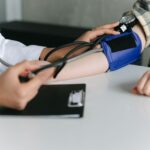
If you use smokeless tobacco and want to understand your own blood pressure, the most useful step is measurement, not guessing. Home blood pressure monitors are widely available and give you real numbers over time.
Normal resting blood pressure is generally defined as below 120/80 mm Hg. Readings consistently at or above 130/80 mm Hg are typically considered elevated or high, depending on the guideline you follow. A single reading is not a diagnosis — patterns over days and weeks matter more.
Pay attention to other warning signs too. Sores in the mouth that do not heal, white patches on the gums or cheek lining, persistent lumps, or difficulty swallowing all warrant a medical evaluation. These can be signs of oral disease, including cancer, and they are more common in people who use smokeless tobacco.
Regular dental checkups matter for the same reason. Dentists are often the first to notice early changes in the mouth from tobacco use.
Why the “It’s Just Tobacco in My Lip” Idea Is Misleading
Many people who use smokeless tobacco believe it is fundamentally different from smoking — a personal habit rather than a health risk. That belief does not match the evidence.
Nicotine is nicotine, regardless of how it enters the body. It is addictive, it raises heart rate and blood pressure with each use, and it keeps the body in a state of repeated cardiovascular stress. The absence of smoke does not make the nicotine harmless.
The risks of smokeless tobacco are real and well documented, particularly for oral health and cancer. The blood pressure picture is more complicated — the acute effects are clear, while the long-term effects on chronic hypertension remain debated — but “complicated” is not the same as “safe.”
If you are trying to protect your heart and your overall health, reducing or stopping all nicotine use is the direction the evidence supports. The specific path you take to get there is worth discussing with a doctor who knows your health history.
Frequently Asked Questions
Does smokeless tobacco raise blood pressure immediately?
Yes. Nicotine from smokeless tobacco enters the bloodstream quickly and causes a measurable rise in blood pressure and heart rate within minutes of use. The effect is usually temporary but repeats with every use.
Is smokeless tobacco worse for blood pressure than cigarettes?
Both raise blood pressure acutely through nicotine, so neither is clearly better for this specific effect. Smoking adds combustion-related harms like carbon monoxide and vessel-damaging particles, but smokeless tobacco still carries serious risks of its own.
Can quitting smokeless tobacco lower my blood pressure?
Quitting stops the repeated nicotine-driven spikes, which can help readings settle. How much your blood pressure improves depends on other factors like diet, weight, and genetics, so quitting is helpful but rarely the whole solution.
Does nicotine gum or a patch raise blood pressure?
Yes, because these products contain nicotine, which narrows blood vessels and raises heart rate. The rise is usually smaller and steadier than from tobacco, and for most people the benefits of quitting tobacco outweigh this effect.
