
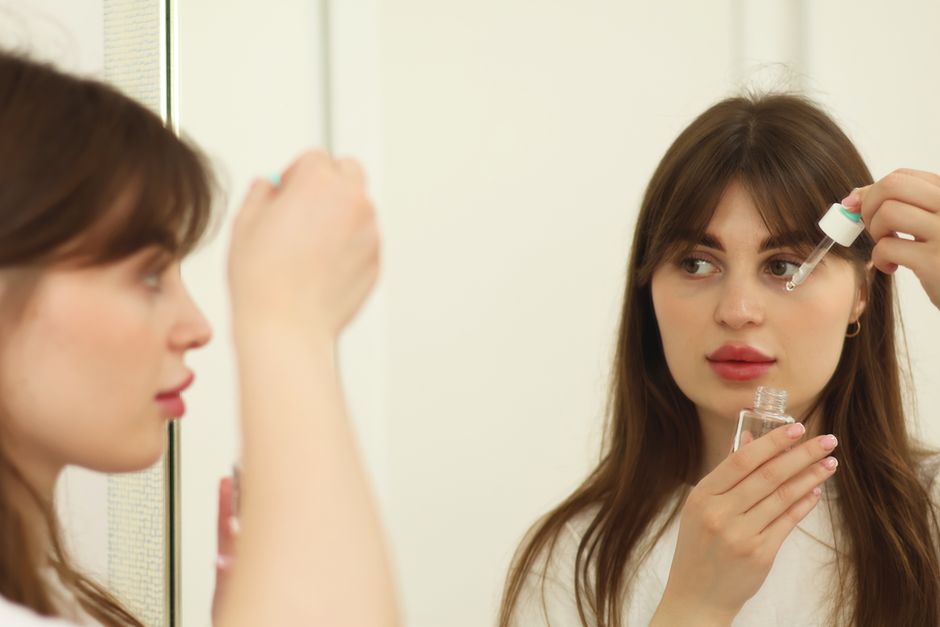
Yes, skin care products expire, and using them past their expiration date can lead to irritation, infection, or simply products that no longer work. Most products have a shelf life of 6 months to 2 years, but this depends heavily on the ingredients, packaging, and how you store them. The dates and symbols on your bottles are there for a reason, and ignoring them is a gamble with your skin.
What Do the Expiration Symbols on My Products Mean?
Two main symbols appear on skin care packaging. The first is a small jar icon with a number inside, like “6M” or “12M”. This is the Period After Opening (PAO) symbol. It tells you how many months the product is safe to use after you first open it.
The second is a straightforward expiration date printed on the label or stamped on the crimp of a tube. In the United States, cosmetic expiration dates are not required by law. However, many brands print them anyway, especially for products with active ingredients like vitamin C or retinol. If you see a date, treat it as the final day the manufacturer guarantees the product’s stability and safety.
If a product has neither a PAO symbol nor an expiration date, the general rule is that an unopened product lasts about 3 years. Once opened, you should use it within 12 months unless the packaging states otherwise. This is a broad guideline, not a hard rule.
Why Does Skin Care Actually Expire?
Skin care products are mixtures of water, oils, emulsifiers, and preservatives. The preservatives are what keep bacteria, mold, and yeast from growing in the water phase of the formula. Over time, these preservatives break down and lose their effectiveness. Once that happens, the product becomes a breeding ground for microbes.
Active ingredients also degrade. Vitamin C, for example, oxidizes when exposed to air and light. It turns from a clear or pale yellow liquid into a brown one. When this happens, the antioxidant power is largely gone. Retinol is similarly unstable and loses potency as it sits on your shelf.
Emulsions—mixtures of oil and water—can also separate. This is a physical change that signals the formula is no longer stable. A product that has separated may not spread evenly and could deliver an uneven dose of active ingredients to your skin.
How Can I Tell If My Product Has Gone Bad?
Your senses are your best tools. Trust them before you trust the calendar.
Smell: A product that smells rancid, sour, or noticeably different from when you bought it has likely gone bad. Oils go rancid when they oxidize, producing an unpleasant odor. If the scent has changed, do not use it.
Texture: A change in texture is a red flag. Lumps, clumps, or a watery separation in a cream that was previously smooth indicate the emulsion has broken. This is a sign the product is no longer stable.
Color: A significant color change, especially browning or yellowing in a product that was white or clear, suggests oxidation or microbial growth. Some natural products may darken slightly over time, but a dramatic shift is a warning.
If you see any of these signs, throw the product away. It is not worth risking your skin to finish a bottle.



What Are the Risks of Using Expired Skin Care?
The most common risk is contact dermatitis. This is a red, itchy, or burning rash that develops when your skin reacts to degraded ingredients or microbial byproducts. It can appear within hours or days of application.
Infections are a more serious concern, particularly around the eyes. Mascara and eyeliner that are past their prime can harbor bacteria like Staphylococcus aureus, which can cause styes or conjunctivitis. If you get bacteria in a scratch or break in the skin, you could develop a more serious infection that requires medical treatment.
There is also the issue of wasted money. A degraded vitamin C serum or retinol cream will not deliver the results you paid for. The active ingredients have broken down, so you are applying an expensive placebo at best.
Does Skin Care Expire Faster in Certain Conditions?
Yes. Heat, light, and humidity accelerate the breakdown of formulas. A bathroom cabinet is one of the worst places to store your products because of the steam and temperature swings from showers.
Store your skin care in a cool, dry, dark place. A bedroom drawer or a cabinet away from the sink is ideal. If you live in a hot climate or your home gets warm, a refrigerator can extend the life of certain products, especially vitamin C serums and other antioxidant formulas. Do not put your entire routine in the fridge—cold creams can become hard and difficult to spread—but sensitive active products benefit from it.
Always close lids tightly after use. Exposure to air accelerates oxidation. Use clean fingers or a spatula to scoop products from jars. Dipping dirty fingers into a jar introduces bacteria directly into the formula.
Which Products Expire the Fastest?
Products with water and active ingredients expire fastest. These are the ones you need to watch most closely.
- Vitamin C serums: These are notoriously unstable. Many lose potency within 3 to 6 months of opening, even when stored properly.
- Sunscreen: The UV filters break down over time. An expired sunscreen may not provide the SPF protection listed on the label, leaving you vulnerable to sunburn and skin damage.
- Retinol and prescription retinoids: These degrade when exposed to light and air. They typically last 6 to 12 months after opening.
- Eye creams and mascara: The eye area is delicate, and products used near the eyes carry a higher infection risk. Mascara should be replaced every 3 months.
- Natural or preservative-free products: These have a shorter shelf life by design. Check the label for specific guidance, which is often 3 to 6 months.
Products that are anhydrous—meaning they contain no water—like pure oils, balms, and some cleansers, tend to last longer. Without water, bacteria and mold cannot easily grow. However, oils can still go rancid, so they are not immune to expiration.
Can I Extend the Life of My Skin Care Products?
You can slow down the clock, but you cannot stop it. Proper storage is the most effective strategy.
Keep products away from direct sunlight. UV light breaks down many ingredients. Do not keep your skincare on a windowsill or a bathroom counter that gets sun. Keep lids tightly sealed. Air is the enemy of many active ingredients.
Buy smaller sizes. If you do not use a product daily, a smaller bottle means you will finish it before it degrades. This is especially relevant for vitamin C serums and other unstable formulas.
Do not add water to a product to revive it. This introduces bacteria and disrupts the preservative system. If a product has become thick or dry, it is time to replace it, not dilute it.
Frequently Asked Questions
How long is skin care good after opening?
Most products are good for 6 to 12 months after opening, but check the PAO symbol on the label for the exact timeframe. Products with active ingredients like vitamin C expire faster.
Can expired skin care cause a rash?
Yes, expired products can cause contact dermatitis, which appears as a red, itchy, or burning rash. This happens when your skin reacts to degraded ingredients or bacteria in the product.
Is it safe to use lotion past its expiration date?
No, it is not recommended. The preservatives in lotion break down over time, allowing bacteria and mold to grow, which can lead to skin irritation or infection.
Does sunscreen expire?
Yes, sunscreen expires, and using it past the expiration date means you may not get the SPF protection listed on the label. Replace sunscreen at least every 2 to 3 years, or sooner if the texture or smell changes.
