
Salt has no calories. Not a single one. Sodium chloride — the chemical name for table salt — contains no carbohydrates, no fat, no protein, and no alcohol, which are the only macronutrients that supply energy. So if you are counting calories, salt itself adds zero.
That simple fact gets buried under a lot of confusion, because salt rarely shows up alone. It comes attached to chips, fries, canned soup, and restaurant meals that are loaded with calories. People blame the salt when the calories are coming from everything else on the plate. This guide separates the two.
Why Does Salt Have Zero Calories?
Calories measure energy. Your body extracts that energy from four sources: carbohydrates, protein, fat, and alcohol. Salt is none of these. It is a mineral compound made of sodium and chloride ions, and your body uses it for functions that have nothing to do with fuel.
Sodium helps regulate fluid balance, supports nerve signaling, and helps muscles contract. Those are real and necessary jobs. None of them release energy the way breaking down a sugar molecule does. Your body cannot burn salt for fuel any more than it can burn water or iron.
This is why the nutrition label on a container of plain salt shows zero calories, zero grams of fat, zero grams of carbohydrate, and zero grams of protein. The sodium number is the only one that matters, and it is measured in milligrams, not calories.
What about sea salt, Himalayan salt, and kosher salt?
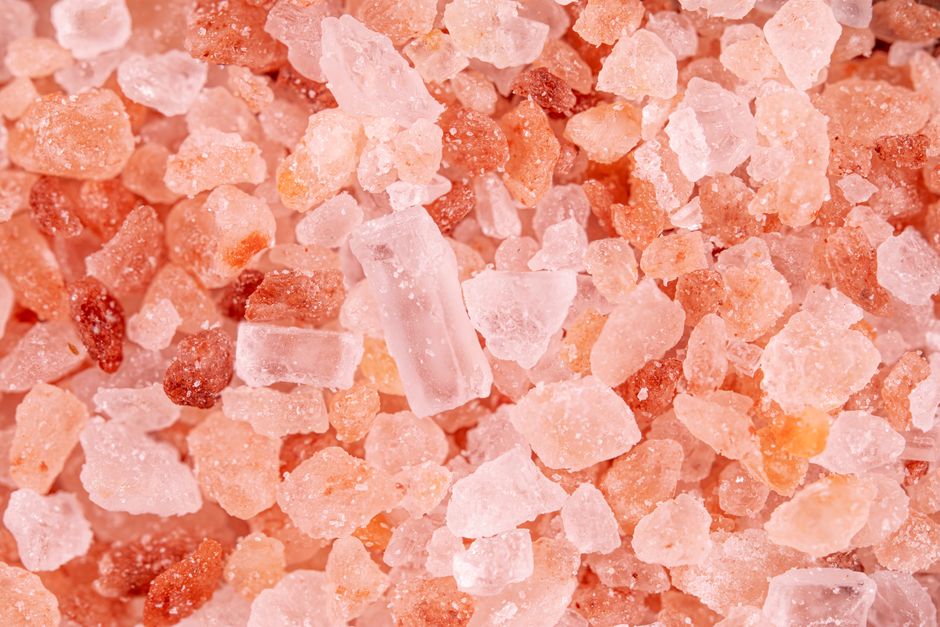
All of them are still sodium chloride, and all of them have zero calories. The trace minerals that give unrefined salts their color and slight flavor differences are present in amounts far too small to contribute measurable energy. A pinch of pink salt and a pinch of table salt deliver essentially the same calories: none.
Why Do People Think Salt Has Calories?
Because salt almost never travels alone. The foods highest in sodium tend to be the same foods highest in calories, and the two get tangled together in people’s minds.
Consider a bag of potato chips. It is salty and it is calorie-dense. But the calories come from potatoes fried in oil, not from the salt sprinkled on top. Remove the salt and the chips would still be calorie-heavy. Add salt to a plain cucumber and the cucumber does not gain a single calorie.
There is also a common mix-up between salt and sodium on nutrition labels. Sodium is the component of salt that affects blood pressure, and it is listed in milligrams. Calories are listed separately in kilocalories. Seeing both numbers side by side on a label can make them feel related when they are not.
One more source of confusion: salt makes some foods taste better, and food that tastes better is easier to eat more of. That can lead to eating more calories, but the salt is not supplying them. It is influencing behavior, not adding energy.
Does Salt Make You Gain Weight?
Salt does not add fat. It can, however, cause short-term weight gain on the scale by making your body hold onto water.
When you eat a lot of sodium, your body retains fluid to keep the concentration of sodium in your blood within a narrow, healthy range. That extra water can show up as a pound or two of temporary weight, along with puffiness in the hands, feet, or face. This is water weight, not fat. It typically shifts back down over a day or two as your body rebalances, especially if you drink normal amounts of water and return to your usual sodium intake.
Body fat works differently. Fat accumulates when you consistently take in more calories than you burn. Salt contributes zero calories to that equation. The weight gain people associate with salty food almost always traces back to the calories in those foods, not the sodium.
That said, salt can encourage overeating in a roundabout way. Highly palatable salty snacks are engineered to be hard to stop eating. The result can be a higher total calorie intake, which over time does affect body fat. The salt is a trigger, not a source.
How Much Sodium Is in Salt?
Salt and sodium are not the same thing, and this trips people up constantly. Salt is sodium chloride. About 40 percent of salt’s weight is sodium, and the other 60 percent is chloride.
That means one teaspoon of table salt contains roughly 2,300 milligrams of sodium. This is the number that matters for health, because dietary guidelines are written in terms of sodium, not salt.
The table below shows how salt converts to sodium at common amounts. These figures reflect the standard composition of table salt.
| Amount of salt | Approximate sodium | Calories |
|---|---|---|
| 1/4 teaspoon | About 575 mg | 0 |
| 1/2 teaspoon | About 1,150 mg | 0 |
| 1 teaspoon | About 2,300 mg | 0 |
Federal dietary guidelines advise most adults to keep sodium intake under 2,300 milligrams per day, which is the amount in about one teaspoon of salt. That is a limit on sodium for heart and blood pressure reasons. It has nothing to do with calories, because there are none.
Is Low-Sodium or “Light” Salt Different?
Low-sodium salt substitutes still have essentially no calories. What changes is the chemistry, not the energy content.
Most salt substitutes replace part of the sodium chloride with potassium chloride. Potassium is another mineral your body needs, and it does not add calories either. These products can be useful for people trying to lower sodium intake, but they are not calorie-free versions of a calorie-containing food. There was never any calorie to remove.
One caution worth knowing: potassium-based salt substitutes are not appropriate for everyone. People with kidney disease or those taking certain medications that raise potassium levels may need to avoid them. That is a conversation for a doctor, not a label.
Do You Need Salt at All?
Yes. Sodium is an essential nutrient, meaning your body cannot make it and needs it from food. It plays a role in nerve function, muscle contraction, and keeping fluids balanced inside and outside your cells.
The problem in most American diets is not too little sodium. It is too much. The majority of sodium people eat comes not from the salt shaker but from processed and restaurant foods, where sodium is added during manufacturing and cooking.
Cutting back usually means looking beyond the table. Canned soups, deli meats, frozen dinners, bread, and cheese are common sources. Reading the sodium line on nutrition labels tells you far more than watching how much salt you sprinkle at the table.
There are situations where sodium needs go up, such as heavy sweating from intense exercise or heat, and some medical conditions. Those are individual cases best discussed with a clinician rather than managed by guesswork.
What Actually Adds Calories to Salty Foods?
The calories in salty snacks come from fat, refined carbohydrates, and protein — the ingredients the salt is sitting on. Here is where the energy in a few common salty foods actually comes from:
- Potato chips: calories come from potatoes and frying oil, not the salt
- French fries: calories come from potatoes and oil, plus any added sugar in some recipes
- Canned soup: calories come from beans, meat, cream, or added starches, not the sodium
- Deli meat: calories come from the meat and any added fat or sugar
- Salted nuts: calories come from the natural fat and protein in the nuts
Notice the pattern. In every case, the salt is a seasoning. The energy is coming from somewhere else entirely. If you swapped the salted version for an unsalted one, the calorie count would barely move.
Frequently Asked Questions
Does salt have calories?
No. Salt is sodium chloride, a mineral compound that contains no carbohydrates, fat, protein, or alcohol, so it provides zero calories.
Can salt make you gain weight?
Salt cannot add body fat because it has no calories, but it can cause temporary water retention that shows up on the scale. That extra weight is fluid, not fat, and usually settles within a day or two.
How much sodium is in a teaspoon of salt?
One teaspoon of table salt contains roughly 2,300 milligrams of sodium, which is the daily upper limit most adults are advised to stay under.
Is sea salt lower in calories than table salt?
No. Sea salt, Himalayan salt, and table salt all have zero calories because they are all primarily sodium chloride.
Salt is a mineral, not a food. It seasons your meals and affects your blood pressure, but it will never appear on a calorie count. The calories you worry about are always coming from somewhere else on the plate.
