
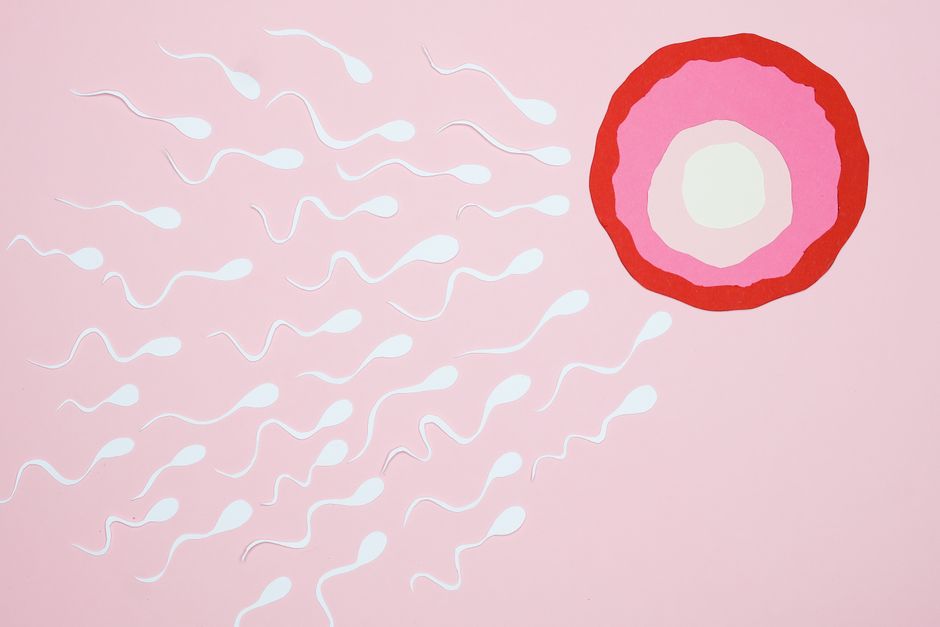
Yes, saliva can kill sperm. It contains enzymes and changes in osmolarity that damage sperm cells, reducing their movement and their ability to survive. For couples trying to conceive, this matters most when saliva is used as a lubricant during sex or when collecting a semen sample for testing.
That does not mean saliva is a reliable form of birth control. It is not. The effect on sperm is real but partial, and how much it matters depends on where and how the saliva comes into contact with sperm.
Does Saliva Kill Sperm When Trying To Conceive?
Saliva damages sperm, and the effect has been documented in laboratory studies for decades. Researchers have looked at sperm exposed to saliva and found reduced motility, meaning fewer sperm move normally, and reduced viability, meaning fewer stay alive.
The mechanism is well established. Saliva is mostly water, but it also contains digestive enzymes, including amylase, and it has a different concentration of dissolved particles than semen does. When saliva mixes with semen, that difference disrupts the sperm cell membrane. The enzymes add to the damage.
There is a second factor people rarely mention. Saliva is thicker and more diluted than the fluid sperm are built to swim in. Even before enzymes do their work, the physical environment slows sperm down.
None of this is controversial. What is debated is how much it matters in a real-life setting, which is a different question than what happens in a lab dish.
How Much Does Saliva Actually Reduce Sperm Function?
The laboratory findings are consistent in direction: sperm exposed to saliva perform worse than sperm not exposed to saliva. The exact size of that effect varies widely across studies, so no single percentage should be treated as a rule.
Some research suggests the damage depends on how much saliva is present and how long the exposure lasts. A small amount used briefly is not the same as a large amount used throughout intercourse.
Here is the part that gets lost in the discussion. Sperm that reach the cervix and the uterus are largely protected from saliva. The damage happens at the point of contact, in the vagina, not deeper in the reproductive tract. So the practical question is whether saliva is being used as a lubricant and how much of it is present.
For couples without fertility concerns, occasional exposure to saliva is unlikely to be the deciding factor in whether conception happens. For couples already dealing with male factor infertility, low sperm count, or poor sperm motility, reducing any avoidable harm to sperm is a reasonable step.
Is Saliva Safe To Use As A Lubricant When Trying To Conceive?
Saliva is not a good choice of lubricant when you are trying to conceive. It is not the worst choice, but it works against sperm rather than supporting them.
The bigger issue with saliva as a lubricant is not only the sperm damage. Saliva carries bacteria. Using it as a lubricant can introduce bacteria into the vagina and urethra, which raises the risk of irritation or infection. That is a separate concern from fertility, and it applies regardless of whether you are trying to conceive.
Many commercial lubricants are also a problem for conception. Products labeled as spermicidal, or containing nonoxynol-9, are designed to kill sperm and should be avoided entirely when trying to conceive. Some water-based lubricants have a pH or consistency that impairs sperm motility.
If you need a lubricant, the more sperm-friendly options are products formulated specifically for couples trying to conceive. These are typically designed to match the pH and consistency of cervical mucus. They are not a treatment for infertility, and no lubricant improves fertility. They simply do less harm than alternatives.
What about saliva during oral sex before intercourse?
Saliva present from oral sex before intercourse is unlikely to be present in large enough amounts to meaningfully affect sperm. The concern is mainly saliva used directly as a lubricant during vaginal intercourse, where it sits in contact with semen.


Does Saliva Affect a Semen Sample for Fertility Testing?
Saliva can seriously affect a semen sample, and this is one of the clearest practical warnings in fertility testing. If saliva gets into a collection cup, it can damage the sperm in that sample and produce results that do not reflect the man’s actual fertility.
Clinics give specific collection instructions for this reason. Samples are generally collected by masturbation directly into a sterile container. Saliva should not be used as a lubricant during collection, and the container should not come into contact with the mouth.
If a sample is collected at home and transported to the lab, the same rules apply. Contamination with saliva can lower motility and viability readings, which could lead to unnecessary concern or repeat testing.
This is a case where following the clinic’s instructions matters. A sample compromised by saliva may need to be repeated, which delays answers.
Does Saliva Work as a Contraceptive?
Saliva does not work as a contraceptive. The damage it causes to sperm in a lab setting is not reliable enough to prevent pregnancy, and no health authority recommends it for that purpose.
This is where people sometimes misread the research. A finding that saliva reduces sperm motility in a dish does not translate into a dependable method of birth control. Sperm counts in a single ejaculation are in the tens of millions or higher. Even a substantial reduction in motility leaves many sperm capable of reaching an egg.
Relying on saliva for contraception would be a mistake. If you are not trying to conceive, use a method with evidence behind it and talk to a clinician about which one fits your situation.
What Else Damages Sperm During Conception Attempts?
Saliva is one of several everyday factors that can work against sperm. Knowing the others helps you focus on what actually matters.
- Heat. Sperm production is sensitive to temperature. Frequent hot tubs, prolonged laptop use directly on the lap, and tight clothing that raises scrotal temperature can affect sperm quality over time.
- Smoking and heavy alcohol use. Both are associated with lower sperm quality in a large body of research.
- Certain lubricants. Spermicidal products and some water-based lubricants impair sperm. Choose carefully or skip lubricant when possible.
- Timing. Intercourse timed to the fertile window matters more than most other factors. The fertile window is generally the several days leading up to ovulation.
- Untreated infections. Some infections of the reproductive tract can affect sperm and fertility. Symptoms like pain, discharge, or fever warrant medical attention.
It is worth being honest about what the evidence does and does not support here. Many lifestyle changes are widely recommended by clinicians, but the strength of the evidence varies. The clearest factors are smoking, heavy alcohol use, and heat exposure. Others are reasonable to address but less firmly established.
When Should You Talk to a Doctor About Fertility?
Talk to a clinician if you have been trying to conceive for a year without success, or after six months if the woman is 35 or older. Those are general thresholds used in clinical practice, and a doctor can tailor the guidance to your situation.
See a clinician sooner if there are specific concerns. These include irregular or absent periods, known conditions affecting fertility, a history of pelvic infection, or symptoms suggesting a reproductive tract infection. For men, a history of testicular injury, surgery, or known sperm problems warrants earlier evaluation.
Saliva is a small piece of a much larger picture. If you are concerned about fertility, the most useful step is a conversation with a clinician who can look at the whole situation rather than one factor.
Frequently Asked Questions
Does saliva kill sperm instantly?
No, the damage is not instant. Saliva reduces sperm motility and viability over the time it is in contact with semen, and the effect grows with more saliva and longer exposure.
Can saliva used as lube prevent pregnancy?
Saliva is not a reliable contraceptive and should never be relied on to prevent pregnancy. It can damage sperm, but not consistently enough to act as birth control.
Is spit safe as a lubricant?
Saliva is not a good lubricant choice. It carries bacteria that can cause irritation or infection, and it works against sperm when you are trying to conceive.
Does saliva affect a semen analysis result?
Yes, saliva contamination can lower motility and viability readings in a semen sample. Follow the clinic’s collection instructions and keep saliva away from the sample container.
