
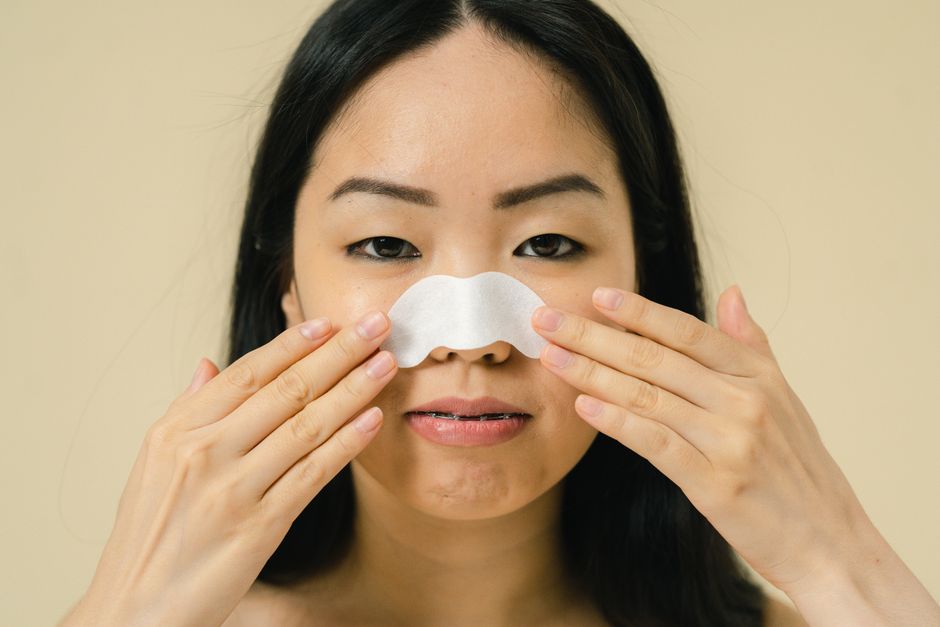
Skin tags are small, soft growths that appear on the neck, armpits, eyelids, and other skin folds. Many people want them gone, and salicylic acid is one of the first products they reach for. Here is the direct answer: salicylic acid is not an established treatment for removing skin tags, and no strong clinical evidence shows it works for this purpose. It is a proven treatment for warts, calluses, and some acne, but skin tags are a different kind of growth — and that difference matters.
What Are Skin Tags, Exactly?
Skin tags are medically known as acrochordons. They are benign growths made of loose collagen and blood vessels covered by a small piece of skin. They are not cancer, and they do not turn into cancer.
They tend to show up in areas where skin rubs against skin. The neck, armpits, groin, and eyelids are common spots. They are more common with age and with weight gain, and they sometimes run in families. Pregnancy can also bring them on.
Most skin tags are harmless and need no treatment at all. People remove them for cosmetic reasons, or because a tag catches on clothing or jewelry and becomes irritated.
That last point matters. A tag that is repeatedly irritated can bleed, scab, or become sore. But irritation is not the same as danger. The growth itself is still benign.
Does Salicylic Acid Remove Skin Tags?
No. Salicylic acid is not an established skin tag treatment, and the evidence that it removes them is essentially absent.
Salicylic acid is a keratolytic. That means it breaks down keratin, the protein that makes up the outer layer of skin. This is why it works on warts and calluses — those growths are packed with keratin. It is also why it works on acne, where it helps unclog pores.
A skin tag is not a keratin plug. It is living tissue with its own blood supply. Salicylic acid can dry out and irritate the surface of a tag, and the tag may crust or change color. That can look like progress. It usually is not. The base of the tag — where the blood vessels connect — is still there.
This is the part most product marketing skips. A tag that scabs over and falls off is not necessarily gone. If the stalk remains, it can grow back.
There is one more issue. Salicylic acid products sold for skin tags vary widely in strength. Some over-the-counter versions are mild. Others are strong enough to damage healthy skin around the tag. The stronger the product, the higher the risk of a chemical burn, scarring, and skin color changes — especially on the face and neck.
Why Do So Many Products Claim It Works?
Because the claim is not tightly regulated, and because mild acids can change how a tag looks without removing it.
In the US, skin tag removers are often sold as cosmetics or general consumer products rather than as drugs. That means they do not have to prove effectiveness the way a medication does. A product can be marketed for skin tags without any trial showing it actually removes them.
There is also a feedback loop that keeps the claims alive. A person uses an acid product. The tag gets irritated, dries, and peels. It looks different, so the person assumes it is working. Weeks later the tag is still there, or it returns. The product gets another review anyway.
This is not a knock on salicylic acid itself. It is a genuinely useful ingredient with real evidence behind it for warts, acne, dandruff, and calluses. It is just being applied to a problem it was never shown to solve.


What Actually Removes Skin Tags?
Procedures done by a clinician remove skin tags reliably. The main options are straightforward.
- Snip excision: The tag is cut off at the base with sterile scissors, sometimes after a numbing injection.
- Cryotherapy: Liquid nitrogen freezes the tag, which then falls off.
- Electrocautery: A small electrical current burns the tissue at the base.
- Ligation: A suture or tie is placed around the base to cut off blood flow, and the tag dries up and drops off.
- Laser removal: A focused laser destroys the tissue.
These are quick office procedures. Most take only a few minutes. Small tags may need no numbing at all.
Results are usually good, but no method is perfect. Bleeding, infection, scarring, and skin color changes are possible. Tags can also come back, especially if the underlying friction or weight factors do not change. A clinician can tell you which method suits the location and size of your tag.
Cost and insurance vary. Removal for cosmetic reasons is often not covered. Removal of an irritated tag may be covered, depending on the plan. It is worth asking before the appointment.
Can You Remove Skin Tags Safely at Home?
Some people do remove small tags at home. That does not mean it is a good idea, and it is not something to take lightly.
The main risk is not the tag. It is what you might be removing instead. A growth that looks like a skin tag can sometimes be something else — a mole, a wart, a seborrheic keratosis, or in rare cases a skin cancer. Without training, it is hard to tell them apart. Cutting or burning the wrong growth delays a diagnosis.
Home methods people try include tying off a tag with dental floss or thread, cutting it with nail clippers, and applying strong acids. Each carries real risks.
- Cutting tools are rarely sterile. Infection is possible.
- Bleeding can be hard to control, especially on the neck or eyelids.
- Acids can burn healthy skin and leave scars.
- Improper removal can leave the base behind, so the tag returns.
If a growth bleeds on its own, changes in size or color, or looks different from your other tags, do not treat it at home. Have it checked. That advice is not cautious filler — it is the single most useful rule here.
Which Growths Get Confused With Skin Tags?
Several common skin growths look like skin tags to an untrained eye, and each behaves differently.
Warts are caused by a virus and are often rough and firm. Seborrheic keratoses are benign, waxy, and raised, and they can look stuck onto the skin. Moles are usually flatter and may be pigmented. Filiform warts are thin and spiky, which makes them easy to mistake for a tag on the face or neck.
This is where salicylic acid gets confusing. It is a real, evidence-backed treatment for warts. So if a person treats what they think is a skin tag and it clears up, the growth was probably a wart. The product worked on the right target — the person just misread the label on their own skin.
Because these growths can look alike, a clinician’s eye is the reliable way to tell them apart. That is not a sales pitch for a doctor’s visit. It is simply the difference between guessing and knowing.
The Bottom Line on Salicylic Acid and Skin Tags
Salicylic acid has earned its place for warts, acne, and calluses. It has not earned it for skin tags. The mechanism does not fit the growth, the evidence is not there, and the products making the claim are often not required to prove it.
If a tag bothers you, a clinician can remove it in minutes with a method that works. If it does not bother you, leaving it alone is a reasonable choice — skin tags are benign and usually harmless. What is not reasonable is burning your neck with an acid based on a label claim that no trial supports.
Frequently Asked Questions
Does salicylic acid remove skin tags?
No. Salicylic acid is not an established treatment for skin tags, and no strong clinical evidence shows it removes them. It may irritate or dry out a tag, but the growth usually remains or returns.
What is the fastest way to get rid of a skin tag?
A quick office procedure such as snip excision, cryotherapy, or electrocautery is the reliable way to remove a skin tag. These take only a few minutes, though healing and cost vary by method and location.
Can I cut off a skin tag at home?
Some people do, but it carries risks including infection, bleeding, scarring, and removing the wrong kind of growth. A growth that bleeds, changes, or looks unusual should be checked by a clinician first.
Why did my skin tag fall off after using an acid product?
The acid likely dried and damaged the surface of the growth, causing it to crust and peel. If the base was not fully destroyed, the tag can grow back, and the acid may also have irritated healthy skin nearby.
