
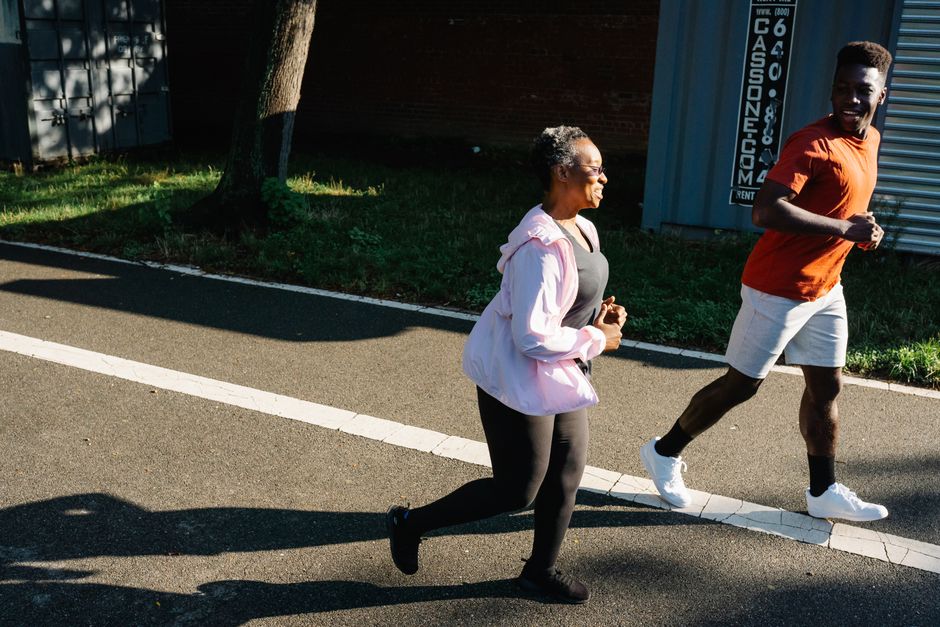
Yes, running can help you lose stomach fat, but not because it targets your belly directly. When you run, your body burns calories from fat stores all over your body. Spot reduction—the idea that you can choose where fat comes off—is a myth. Your body decides the order, and for many people, the stomach is one of the last places fat leaves. Running consistently creates the calorie deficit needed to shrink those fat stores overall, and your waistline will eventually reflect that loss.
Why Running Burns Fat in the First Place
Running is a high-energy activity. It demands more oxygen and fuel than walking or sitting still. To meet that demand, your body breaks down stored fat and carbohydrates to create usable energy. Over time, if you burn more calories than you eat, your body pulls from its fat reserves to make up the difference.
That fat comes from everywhere. Visceral fat—the deep belly fat around your organs—is actually more responsive to aerobic exercise than subcutaneous fat, which is the pinchable fat just under the skin. Research consistently shows that moderate-to-vigorous aerobic exercise like running reduces visceral fat even when total body weight changes are modest. This matters because visceral fat is the type most strongly linked to metabolic problems and heart disease risk.
Running does not directly “melt” belly fat. It shifts your overall energy balance. When that balance is negative, fat cells shrink across your body based on genetics, hormones, and sex. Men tend to lose abdominal fat faster than women, partly because women naturally carry a higher percentage of body fat for reproductive reasons.
How Often and How Long Should You Run?
The evidence supports regular, consistent aerobic exercise for fat loss. General health guidelines recommend at least 150 minutes of moderate-intensity or 75 minutes of vigorous-intensity aerobic activity per week. Running usually counts as vigorous activity, so three to four sessions of 25 to 40 minutes per week is a reasonable starting target.
But fat loss is not only about exercise duration. Intensity matters. High-intensity running—intervals where you push hard for short bursts—can create a higher calorie burn in less time and may improve how your body handles insulin. Steady-state running at a comfortable pace builds endurance and burns calories steadily. Both approaches work. The best one is the one you can repeat week after week without injury or burnout.
What matters more than any single run is the weekly total. A 30-minute run five times a week produces more fat loss than a single two-hour run once a week. Consistency beats occasional heroics. If you are new to running, start with a run-walk method and gradually increase continuous running time over several weeks.
Why You Might Not See Stomach Fat Loss Right Away
Many people run for a month, notice their legs and arms look leaner, and feel frustrated that their belly has not changed. This is normal. Fat loss patterns are largely determined by genetics and hormones, not by which muscles you exercise. For many men, abdominal fat is the last depot to mobilize. For many women, especially before menopause, fat around the hips and thighs tends to persist longer than belly fat.
Another factor is water retention. When you start a new running routine, your muscles sustain microscopic damage that triggers inflammation and fluid retention. The scale may stay flat for the first few weeks even though you are losing true fat. This temporary effect can mask progress. Give the process at least eight to twelve weeks before judging results.
There is also the question of what you eat after running. A 45-minute run might burn roughly 400 to 600 calories depending on your weight and pace. If that run is followed by a snack that replaces those calories—or exceeds them—the deficit disappears. Running does not override a diet that supplies more energy than you use.





What the Research Actually Shows
Studies on aerobic exercise and abdominal fat consistently show that exercise alone produces modest but real reductions in waist circumference and visceral fat. The effect is stronger when exercise is combined with dietary changes. Some research suggests that aerobic exercise is more effective than resistance training alone for reducing visceral fat, though resistance training preserves muscle mass, which supports a higher resting metabolic rate.
One important distinction: research showing visceral fat reduction often uses moderate-intensity continuous training or high-intensity interval training. Both appear effective. The size of the effect depends on total weekly exercise volume and whether the person maintains a calorie deficit. Exercise without dietary adjustment typically produces slower fat loss. That is not a failure of running. It is a reflection of energy balance.
The evidence does not support any specific “fat-burning zone” heart rate for running. The idea that you must keep your heart rate low to burn fat is misleading. Your body uses a mix of fat and carbohydrate at all intensities. Higher-intensity exercise burns more total calories, and total calorie burn is what drives fat loss over time.
Can Running Alone Give You a Flat Stomach?
Running alone can reduce stomach fat if you maintain a calorie deficit long enough. But a “flat stomach” also depends on what is underneath the fat. Your abdominal muscles may be well developed from running, but if a layer of fat covers them, they will not be visible. No amount of running will reveal muscles that are buried under excess body fat.
For most people, reaching visible abdominal definition requires a body fat percentage lower than what is comfortable or sustainable. For men, visible abs often appear around 10 to 12 percent body fat. For women, the range is roughly 18 to 22 percent. These levels are achievable but require precise nutrition and consistent training. Running can help you get there, but diet becomes the limiting factor at lower body fat levels.
Running also does nothing directly for loose skin or posture. If you lose a significant amount of weight, skin elasticity determines how tight your midsection looks. Age, genetics, and how quickly you lost the weight all play a role. Running builds cardiovascular fitness and burns fat, but it is not a substitute for strength training when it comes to shaping the abdominal wall.
Is Running Better Than Other Exercises for Belly Fat?
Comparing running to other forms of exercise depends on what you mean by “better.” For calorie burn per minute, running generally outranks walking, cycling at moderate pace, and most resistance training sessions. That makes it an efficient tool for creating a calorie deficit.
For visceral fat specifically, aerobic exercise has a stronger evidence base than resistance training. High-intensity interval training, whether done running or on a bike, also shows good results for abdominal fat reduction in shorter time commitments.
However, the best exercise for you is the one you will sustain. If running causes joint pain or you dislike it, you will not stick with it. Brisk walking, cycling, swimming, and rowing all produce meaningful fat loss when done consistently. Strength training adds muscle, which improves body composition even if the scale moves slowly. A combined approach—running for cardiovascular conditioning and calorie burn, plus resistance training for muscle preservation—is supported by the strongest overall evidence for body composition change.
Practical Next Steps
If your goal is losing stomach fat, start with a clear plan. Run three to four times per week at a pace that lets you speak in short sentences. Build up gradually to avoid injury. Track your food intake honestly for at least two weeks to see where your calories actually come from. A calorie deficit of roughly 500 calories per day leads to about one pound of fat loss per week, though this varies by individual.
Add strength training two days per week. Squats, deadlifts, push-ups, and planks build the muscle mass that supports a healthy metabolism. Do not chase abdominal exercises hoping for spot reduction. Crunches strengthen muscles but do not remove the fat layer above them.
Sleep and stress management are not optional extras. Poor sleep raises cortisol and ghrelin, a hunger hormone, which can increase appetite and abdominal fat storage. Aim for seven to nine hours of quality sleep per night. Find ways to manage daily stress that do not involve food.
Be patient. Losing stomach fat is a slow process for most people. The visible changes often lag behind the health improvements happening internally. Reduced visceral fat lowers your risk for type 2 diabetes and cardiovascular disease even before your waistline shrinks. The scale and mirror are imperfect tools. How your clothes fit, your energy levels, and your blood work are better indicators of progress.
Frequently Asked Questions
Will running every day reduce belly fat faster?
Running every day can speed up fat loss if you maintain a calorie deficit, but daily running without rest days increases injury risk. Three to five sessions per week with rest days is safer and still effective.
How long does it take to see stomach fat loss from running?
Most people need at least eight to twelve weeks of consistent running and a calorie deficit to see visible changes in their midsection. Early weight loss may be masked by water retention from new muscle activity.
Do I need to do ab exercises to lose belly fat?
No. Ab exercises strengthen the muscles underneath but do not remove the fat covering them. Running and a calorie deficit reduce total body fat, which is what shrinks your waistline.
Is running on an empty stomach better for burning belly fat?
Running fasted may increase the proportion of fat burned during that session, but total daily calorie balance matters more. Some research suggests fasted exercise does not produce greater overall fat loss than fed exercise.
