
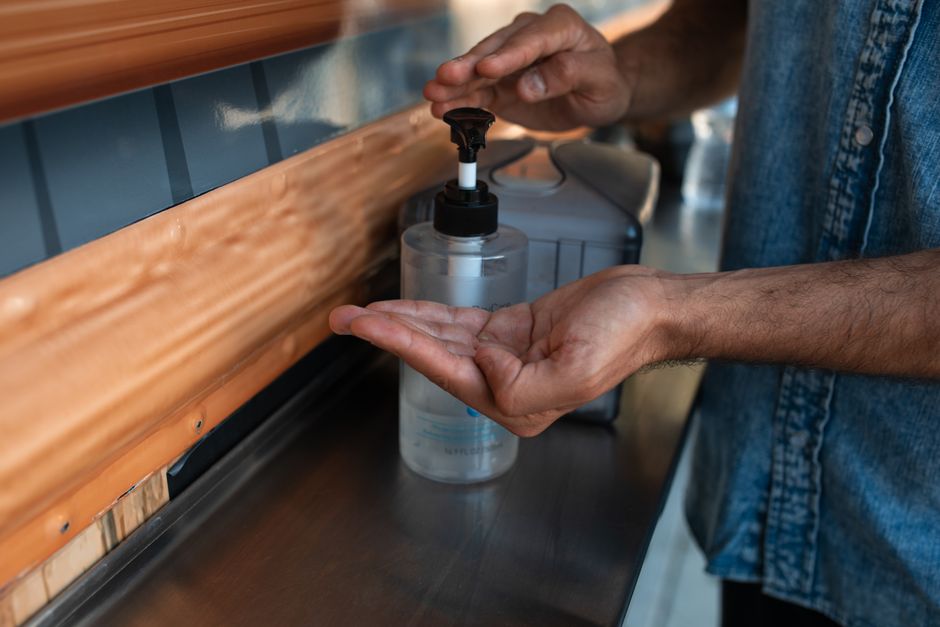
Rubbing alcohol can kill some fungi on contact, but it is not a reliable treatment for foot fungus. It evaporates too quickly to reach the fungi living in the deeper layers of your skin, and it does nothing to address the conditions that allow fungus to grow in the first place.
That gap between what happens in a lab dish and what happens on a human foot is the whole story here. Alcohol does have real antifungal activity. The problem is delivery, penetration, and duration. Understanding why it falls short explains a lot about how foot fungus actually works — and why the treatments that do work are built the way they are.
Does Rubbing Alcohol Kill Foot Fungus on Contact?
Yes, in a laboratory setting. Isopropyl alcohol at concentrations of 70% or higher disrupts the cell membranes of many fungi and can render them nonviable. This is well established and is one reason alcohol is used as a surface disinfectant.
But a foot is not a lab dish. Several things get in the way:
- Contact time. Alcohol kills fungi only if it stays in contact long enough. On skin, it evaporates within seconds to a minute or so. That is often not enough.
- Penetration. The fungus that causes most foot infections lives in the stratum corneum — the outer layer of dead skin cells — and sometimes deeper. Alcohol does not travel far into that layer before it evaporates.
- Nail involvement. If the fungus has reached the toenail, alcohol cannot penetrate the hard keratin of the nail plate at all. This is a major limitation.
- No residual activity. Once alcohol evaporates, there is nothing left to keep working. A fungus that survives the initial exposure can simply continue growing.
So the honest answer is: alcohol kills fungi it can reach, for as long as it stays wet. On a living foot, that window is very short.
What Actually Causes Foot Fungus?
Most foot fungus is a type of infection called tinea pedis, commonly known as athlete’s foot. It is usually caused by dermatophytes — a group of fungi that feed on keratin, the protein in your skin, hair, and nails.
These organisms thrive in warm, moist environments. That is why locker rooms, pool decks, and sweaty shoes are common places to pick them up. The fungus does not need a break in the skin to start an infection; it can colonize intact skin if conditions are right.
Once established, it can spread from the skin to the nails. Nail infections are harder to treat because the fungus is protected by the nail itself. This is one reason foot fungus so often comes back.
It is also worth knowing that not all foot rashes are fungal. Eczema, psoriasis, contact dermatitis, and bacterial infections can look similar. If a rash is not improving with antifungal treatment, that is a reason to get it looked at rather than assume it is fungus.
Why Doesn’t Rubbing Alcohol Cure Athlete’s Foot?
The core problem is that killing some fungus on the surface does not clear an infection. You need to eliminate enough of the organism, in the right place, for long enough, that it cannot recover.
Alcohol fails on all three counts for most foot fungus:
- It reaches the surface but not the deeper skin layers where fungus persists.
- It stays wet for only seconds, far short of what is needed.
- It leaves no residual antifungal activity once it dries.
There is also a practical risk. Repeatedly applying alcohol to skin can cause dryness, cracking, and irritation. Cracked skin is more vulnerable to secondary bacterial infection. So using alcohol aggressively can make the situation worse, not better.
Some people report that alcohol “dries out” the fungus or helps with itching. Drying the skin can reduce moisture that fungus likes, which may give temporary relief. But relief of symptoms is not the same as clearing the infection.

What Does Work for Foot Fungus?
Several treatments have actual clinical evidence behind them. The right choice depends on where the infection is and how severe it is.
For mild skin infections, over-the-counter topical antifungals are the usual first step. These include terbinafine, clotrimazole, miconazole, and others. They work because they penetrate the skin and stay active long enough to kill the fungus. They must be used for the full recommended course, often several weeks, even after symptoms improve.
For more stubborn skin infections or infections that keep returning, a doctor may recommend a prescription topical or, in some cases, oral antifungal medication. Oral treatment is often needed when the nails are involved, because topical products do not penetrate the nail plate well.
Nail fungus is genuinely difficult to treat. It typically requires months of treatment, and recurrence is common. This is not a case where a home remedy is likely to substitute for medical care.
Comparison of Common Approaches
| Approach | Reaches skin fungus | Reaches nail fungus | Evidence for clearing infection |
|---|---|---|---|
| Rubbing alcohol | Surface only, briefly | No | Not established |
| OTC topical antifungal | Yes | Limited | Well established for skin |
| Prescription topical | Yes | Limited | Established |
| Oral antifungal | Yes | Yes | Established |
This table is a general guide, not a treatment plan. Which option fits your situation is a decision for a clinician, especially if you have diabetes, poor circulation, or a weakened immune system. Foot infections in those groups can become serious and need prompt medical attention.
Can Rubbing Alcohol Prevent Foot Fungus?
There is no good evidence that wiping your feet with alcohol prevents athlete’s foot. The more reliable prevention steps are about moisture and exposure.
- Dry your feet thoroughly after showering, especially between the toes.
- Change socks when they get damp, and choose moisture-wicking materials.
- Alternate shoes so they have time to dry between wears.
- Wear sandals or shower shoes in locker rooms and public pools.
- Avoid sharing towels, socks, or shoes with someone who has a foot infection.
Keeping skin dry is genuinely useful because moisture is what the fungus needs. But that is a different thing from alcohol killing fungus. Drying your feet and disinfecting your feet are not the same action.
What About Using Alcohol on Shoes or Surfaces?
This is where alcohol has a more reasonable role. Disinfecting the inside of shoes, shower floors, or shared surfaces with alcohol can reduce fungal contamination on those surfaces. For hard, non-porous surfaces, alcohol can be an effective disinfectant when it stays wet long enough.
Shoes are trickier because the material is often porous. Alcohol may not reach fungus embedded in fabric or foam. Letting shoes dry completely and using antifungal powders or sprays designed for footwear may be more practical.
Even so, disinfecting surfaces is a supporting measure. It does not treat an infection already in your skin or nails.
The Bottom Line on Rubbing Alcohol and Foot Fungus
Rubbing alcohol can kill foot fungus it contacts in a lab, but it is not an effective treatment for a foot infection. It evaporates too fast, does not penetrate deep enough, and leaves nothing behind to keep working. For nail fungus, it cannot reach the organism at all.
If you have a persistent foot rash, peeling, itching, or thickened discolored nails, the evidence-based path is an antifungal product used correctly, or a visit to a clinician. Home remedies like alcohol are not a substitute, and in some cases they can irritate skin and make things worse.
Frequently Asked Questions
Does rubbing alcohol kill foot fungus instantly?
It can kill some fungi on contact in a lab, but on skin it evaporates within seconds and often does not stay wet long enough to be reliable. It also cannot reach fungus in deeper skin layers or in the nail.
Can I use rubbing alcohol to treat athlete’s foot at home?
It is not an effective treatment for athlete’s foot because it does not penetrate the skin or stay active long enough to clear the infection. Over-the-counter antifungal creams have actual evidence for clearing it.
Is rubbing alcohol safe to put on my feet?
Occasional use on intact skin is generally not harmful, but repeated use can dry and crack the skin, which may increase the risk of other infections. It should not be used on broken or irritated skin.
Why doesn’t rubbing alcohol work on toenail fungus?
Toenail fungus lives within the hard keratin of the nail plate, which alcohol cannot penetrate. Treating nail fungus usually requires prescription medication, and it often takes months.
