
Yes, rubbing alcohol expires. It does not go bad like milk or food, but its strength fades over time. The active ingredient, isopropyl alcohol, slowly evaporates when exposed to air. As it evaporates, the liquid becomes more water and less alcohol. This matters because the alcohol concentration is what gives rubbing alcohol its disinfecting power. Once the concentration drops too low, it can no longer reliably kill germs.
Does Rubbing Alcohol Expire?
Rubbing alcohol is a solution of isopropyl alcohol and water. Most bottles sold in stores are 70% or 91% isopropyl alcohol. The percentage tells you how much pure alcohol is in the bottle. The rest is water.
Alcohol evaporates faster than water. Every time you open the bottle, some alcohol escapes into the air. Over months and years, this changes the balance. The alcohol percentage drops. The water percentage rises. Eventually, the solution becomes too weak to work as a disinfectant.
Most manufacturers print an expiration date on the bottle. This date is typically two to three years from the manufacturing date. It is not a hard deadline. A bottle used before this date is at full strength. A bottle used after this date may still work, but there is no guarantee.
How Long Does Rubbing Alcohol Last?
An unopened bottle of rubbing alcohol will last for about three years. Sealed properly, very little alcohol can escape. The concentration stays close to what is printed on the label.
An opened bottle has a shorter useful life. Once opened, the clock starts ticking. If you use the bottle regularly, the alcohol level drops faster. If you open it rarely and keep the cap tight, it lasts longer. As a general rule, an opened bottle should be replaced after one to two years.
Storage conditions matter more than most people realize. Heat speeds up evaporation. Direct sunlight also breaks down the solution. The ideal spot is a cool, dark cabinet with the cap screwed on tightly. A bathroom cabinet is not ideal because bathrooms get warm and humid from showers. A hallway closet or a bedroom drawer works better.
How Can You Tell If Rubbing Alcohol Has Gone Bad?
You cannot always see the problem. The liquid may look perfectly clear and normal. The smell is the best clue.
Fresh rubbing alcohol has a sharp, strong, instantly recognizable scent. If you open the bottle and the smell is weak or barely there, the alcohol has evaporated. The bottle may still be full of liquid, but that liquid is mostly water now.
Another test is to shake the bottle. Fresh rubbing alcohol creates small bubbles that disappear quickly. A weak solution creates larger bubbles that linger. This is not a precise scientific test, but it can give you a rough idea.
If the liquid looks cloudy, has particles floating in it, or smells unusual, throw it out. These signs suggest contamination. Contaminated rubbing alcohol is not safe to use on skin or wounds.




Does Expired Rubbing Alcohol Still Kill Germs?
The short answer is maybe, but you should not rely on it. The effectiveness depends entirely on the current alcohol concentration.
For rubbing alcohol to kill bacteria and viruses effectively, it needs to be between 60% and 90% alcohol. Concentrations below 60% are significantly less effective. Some germs survive exposure to weaker solutions.
Here is a common misunderstanding: stronger is not always better. A 91% solution evaporates so quickly that it may not stay in contact with a surface long enough to kill everything. A 70% solution stays wet longer and often disinfects more reliably. Both work well when fresh. The problem is that an old bottle of 70% may have dropped to 50% or lower. At that strength, it is not reliably killing anything.
If you have an expired bottle, do not use it for wound care or disinfection. The risk is not that the liquid is harmful. The risk is that it fails to do its job, leaving germs behind on a wound or surface. For cleaning minor scrapes, this could mean a slower-healing wound. For disinfecting a surface, it could mean spreading germs instead of killing them.
What Can You Use Expired Rubbing Alcohol For?
Expired rubbing alcohol is not useless. It still has some cleaning power, even if it cannot disinfect.
You can use it to clean glass and mirrors. The alcohol helps dissolve smudges and streaks. It will not leave the same residue as some commercial glass cleaners.
It works well for removing sticky residue from labels and stickers. The alcohol breaks down the adhesive. This is a cleaning task, not a disinfecting task, so the lower concentration does not matter much.
You can use it to clean electronics like phone screens and keyboards. The alcohol evaporates quickly and does not damage most surfaces. Just apply it to a cloth first, not directly to the device.
You can also use it to clean makeup brushes. The alcohol helps dissolve oils and makeup buildup. Rinse the brushes thoroughly afterward and let them dry completely.
Do not use expired rubbing alcohol on open wounds, cuts, or scrapes. Do not use it as a hand sanitizer. Do not use it to disinfect kitchen counters where food is prepared. These tasks require a fresh, full-strength product.
Does Rubbing Alcohol Expire Faster Than Hand Sanitizer?
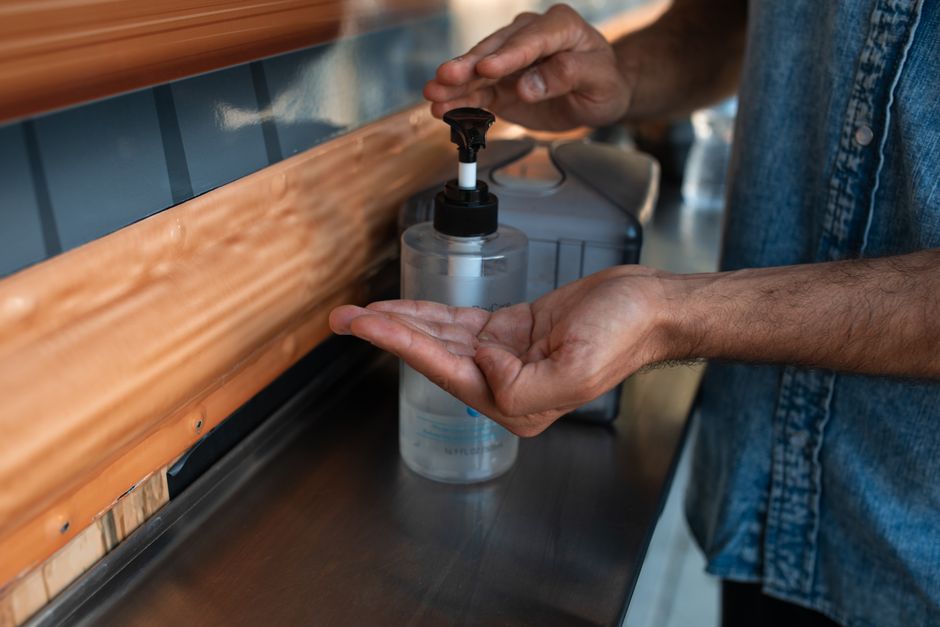
Hand sanitizer and rubbing alcohol have similar shelf lives. Both rely on alcohol as the active ingredient. Both lose potency as the alcohol evaporates.
Hand sanitizer often contains additional ingredients like glycerin or aloe vera. These ingredients help keep the product from drying out skin, but they do not preserve the alcohol. The alcohol still evaporates over time.
One difference is the container. Hand sanitizer pumps and squeeze bottles may let in more air over time than a tightly capped rubbing alcohol bottle. More air exposure means faster evaporation. If you have an old bottle of hand sanitizer, the same rules apply. Check the smell. If it is weak, replace it.
Both products have expiration dates printed on the label for a reason. Respect those dates, especially for products you rely on for hygiene.
How Should You Store Rubbing Alcohol to Make It Last?
Proper storage extends the life of rubbing alcohol. The three factors that matter are temperature, light, and air.
Keep the bottle in a cool place. Room temperature is fine. Avoid storing it near stoves, radiators, or heaters. Heat accelerates evaporation.
Keep it out of direct sunlight. Light can degrade the solution over time. A dark cabinet or drawer is best.
Keep the cap tight. This is the most important factor. Every time the cap is loose, alcohol vapors escape. Make sure the cap clicks or threads fully closed after each use.
Do not transfer rubbing alcohol to a different container. The original bottle is designed to minimize evaporation. A wide-mouth jar or an open bowl will lose alcohol rapidly. Keep it in the original packaging.
Frequently Asked Questions
Can expired rubbing alcohol make you sick?
No, expired rubbing alcohol is not toxic or harmful to touch. The concern is that it may not kill germs effectively, which can leave wounds or surfaces contaminated.
Is 70% or 91% rubbing alcohol better?
For disinfection, 70% is generally more effective because it evaporates slower and stays in contact with germs longer. Both work well when fresh, but 70% is the standard choice for wound care and surface disinfection.
How do I dispose of expired rubbing alcohol?
You can pour small amounts down the drain with plenty of water. For larger amounts, check with your local waste disposal facility for proper guidelines.
Does rubbing alcohol expire if never opened?
An unopened bottle lasts about three years from the manufacturing date. After that, the alcohol concentration may begin to drop even without opening, though the process is much slower in a sealed container.
