
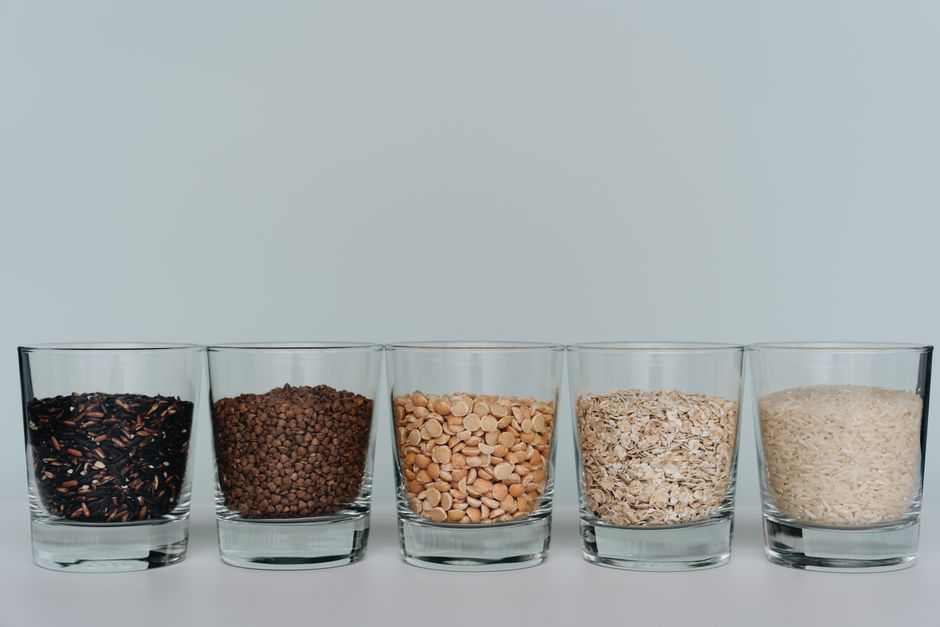
Rice water has become a popular home remedy for hair care, but many people wonder if the protein it contains actually benefits hair or the body. The short answer is that rice water does contain small amounts of protein, but not enough to meaningfully nourish your body through drinking it. For hair, the protein in rice water may offer some surface-level benefits, though the evidence is limited and mostly anecdotal.
Does Rice Water Have Protein For Hair Or Body?
Rice water contains trace amounts of protein, typically less than 1 gram per cup. This is far too little to contribute meaningfully to your daily protein needs. Your body requires roughly 50 grams of protein per day for basic function, so the protein in rice water is negligible for nutritional purposes.
For hair, the story is different. The protein in rice water sits on the hair shaft rather than being absorbed internally. Some research suggests this surface protein can temporarily smooth the hair cuticle, which may reduce frizz and add shine. However, these effects are temporary and wash away with your next shampoo.
The protein content in rice water comes from the grain itself. When rice soaks in water, some water-soluble proteins leach out. The amount depends on the type of rice, soaking time, and whether the water is fermented. Brown rice releases slightly more protein than white rice because it retains its outer layers.
What Does Science Say About Rice Water For Hair?
Clinical evidence on rice water for hair is thin. Most of the enthusiasm comes from cultural traditions, particularly in parts of Asia, and from anecdotal reports online. A few small studies have examined rice water’s effects on hair, but none have been large or rigorous enough to establish clear benefits.
One study published in a cosmetic science journal examined a rice water-based hair product and found it reduced surface friction on hair fibers. This suggests rice water might make hair feel smoother. Another small study looked at rice starch derivatives and found they could improve hair strength in laboratory tests.
What we do not have is solid evidence that rice water grows hair, prevents hair loss, or repairs damaged strands. No large human trials have confirmed these claims. If rice water helps your hair, it likely works as a mild conditioning treatment rather than a protein therapy.
How Does Rice Water Protein Interact With Hair?
Hair is made of a protein called keratin. When you apply rice water to your hair, the proteins in the water form a thin film on the outside of each strand. This film can temporarily fill in gaps along the hair cuticle, making the surface feel smoother and reflect light better.
This surface coating is not the same as rebuilding hair from within. Hair is dead tissue once it grows out of the scalp. No topical product can restore protein that has been lost from the hair structure. What rice water can do is create a temporary protective layer that makes hair feel stronger and look shinier.
The effect is similar to what many commercial conditioners do. Many hair products contain hydrolyzed proteins, which are proteins broken down into small pieces that can adhere to the hair shaft. Rice water contains intact proteins, not hydrolyzed ones, so it may not penetrate as effectively as processed protein treatments.
Fermented Rice Water: Does Fermentation Change The Protein Content?
Fermented rice water has gained attention on social media as a more potent version of the treatment. The fermentation process does change the chemistry of the water. It lowers the pH and introduces beneficial bacteria, but it does not significantly increase the protein concentration.
Fermentation may break down some of the proteins into smaller peptides. Smaller protein fragments might adhere to hair more easily than full-size proteins. This is a theoretical benefit based on how hydrolyzed proteins work in commercial products, but no direct studies have confirmed that fermented rice water outperforms plain rice water on hair.
There are also practical concerns with fermented rice water. The fermentation process can introduce mold or harmful bacteria if not done carefully. Fermented rice water has a strong odor that some people find unpleasant. If you choose to try it, keep it refrigerated and use it within a few days.
Does Drinking Rice Water Provide Any Nutritional Benefit?
Drinking rice water is sometimes recommended as a home remedy for dehydration or digestive issues. The water does contain small amounts of carbohydrates, some B vitamins, and trace minerals. But the protein content is too low to matter nutritionally.
One cup of rice water contains less than 1 gram of protein. For comparison, a glass of milk contains about 8 grams, and a large egg contains about 6 grams. If your goal is increasing protein intake, rice water is not a practical source.
Rice water is mostly starch and water. The starch can provide a small amount of quick energy, and some people find it soothing for an upset stomach. But it should not replace nutrient-dense foods or beverages in your diet.
How To Use Rice Water For Hair Safely
If you want to try rice water for your hair, the basic method is simple. Rinse raw rice thoroughly, then soak it in water for 30 minutes to a few hours. Strain the water and use it as a final rinse after shampooing. Leave it on for a few minutes, then rinse with plain water.
Some people use rice water as a leave-in treatment, but this can leave hair feeling stiff or crunchy. The protein film can build up over time, especially on fine or low-porosity hair. If your hair feels dry or brittle after using rice water, reduce how often you use it or stop entirely.
Rice water is not a substitute for a balanced diet or proper hair care. If you are experiencing significant hair loss or changes in hair texture, see a doctor or dermatologist. These symptoms can indicate underlying health conditions that rice water will not address.
Are There Any Risks To Using Rice Water?
For most people, applying rice water to hair is low risk. Allergic reactions are rare but possible. If you experience itching, redness, or irritation, wash it off immediately and discontinue use.
One concern is protein overload. Some hair types, particularly fine or chemically treated hair, can become brittle when exposed to too much protein. This is not unique to rice water. Any protein treatment can cause this effect if overused.
Drinking rice water is generally safe in small amounts, but there are no clinical guidelines for how much is appropriate. If you are pregnant, breastfeeding, or managing a medical condition, talk to your doctor before adding rice water to your routine. No research has established safety for these populations.
Frequently Asked Questions
Is rice water a good source of protein?
No. Rice water contains less than 1 gram of protein per cup, which is far too little to contribute meaningfully to your daily protein needs.
Can rice water repair damaged hair?
No. Rice water can temporarily coat the hair shaft and make it feel smoother, but it cannot repair structural damage because hair is dead tissue that cannot be rebuilt from the outside.
How long should you leave rice water in your hair?
Most home recipes suggest leaving rice water on for 5 to 20 minutes before rinsing. Leaving it on longer does not increase benefits and may leave hair feeling stiff.
Does fermented rice water have more protein than regular rice water?
Fermentation does not significantly increase protein content. It may break proteins into smaller fragments, which could adhere to hair more easily, but no studies have confirmed this benefit.
