
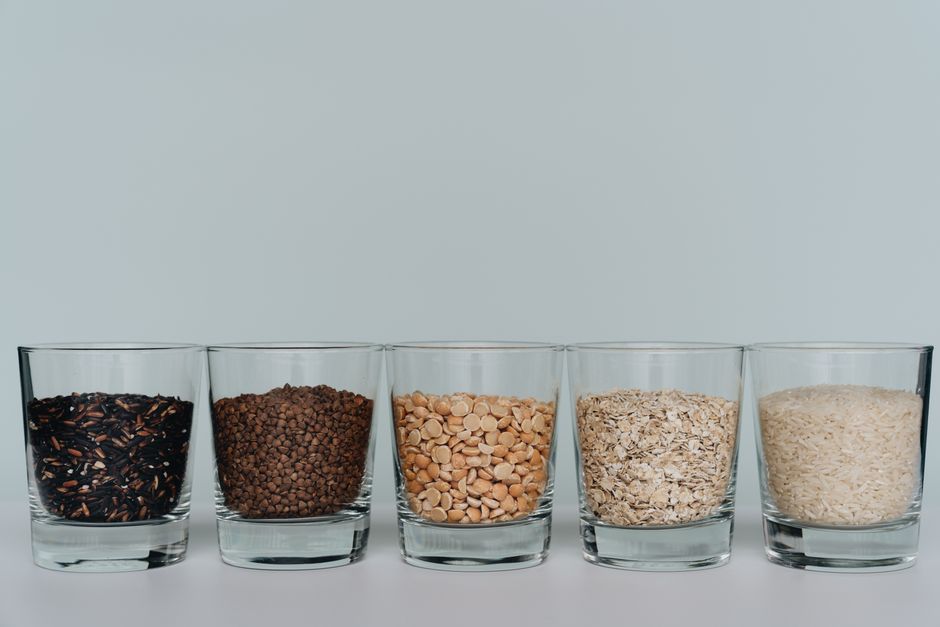
Rice is a staple food for billions of people, so it is natural to wonder if it is the reason behind your bloating. The short answer is that rice does not commonly cause bloating, but it can for certain people under specific conditions. For most people, rice is actually one of the easiest foods to digest and is unlikely to cause gas or abdominal swelling.
Why Does Rice Sometimes Cause Bloat?
Rice gets blamed for bloating often, but the grain itself is rarely the real problem. The issue usually comes down to how the rice is prepared, what is added to it, or an underlying digestive condition.
White rice is a low-fiber food. Fiber is a common cause of gas because bacteria in the colon ferment it. Since white rice has very little fiber, it generally passes through the digestive tract without creating much gas. Brown rice has more fiber, and for someone who does not eat much fiber, switching to brown rice could cause temporary bloating as the gut adjusts.
Another factor is portion size. Eating a very large serving of any food stretches the stomach, which can create a feeling of fullness and pressure. Rice is calorie-dense, so a generous portion can leave you feeling uncomfortably full even without excess gas.
The Role of Resistant Starch in Cooked and Cooled Rice
There is a specific type of carbohydrate in rice that behaves differently after cooking and cooling. When cooked rice is refrigerated, some of its starch changes form and becomes resistant starch. Resistant starch resists digestion in the small intestine and reaches the colon intact.
Once in the colon, bacteria ferment resistant starch. This fermentation produces gas. For some people, eating cooled rice — like the rice in a sushi roll or a rice salad made the day before — can trigger more gas than freshly cooked hot rice. The effect varies from person to person. Some people tolerate resistant starch well, while others notice bloating.
This does not mean cooled rice is bad for you. Resistant starch has health benefits, including feeding beneficial gut bacteria. But if you are prone to bloating, freshly cooked rice may be easier on your system than leftovers.
Could It Be Rice Allergy or Intolerance?
A true rice allergy is rare but possible. Symptoms usually appear within a short time after eating rice and can include hives, itching, swelling, or digestive distress. If you experience these symptoms, you should speak with a doctor rather than assuming it is normal bloating.
Rice intolerance is different from an allergy. An intolerance means your body has trouble digesting rice, and symptoms are generally limited to digestive discomfort like gas, bloating, or cramping. This is uncommon. Most people who think they have a rice intolerance are actually reacting to something else in the meal.
Consider what you ate with the rice. Soy sauce contains wheat and high levels of sodium. Fried rice often includes eggs, peas, onions, or garlic. Curry dishes include spices and sometimes dairy. Any of these ingredients is a more likely cause of bloating than plain rice.





Arsenic in Rice and Digestive Health
Rice absorbs arsenic from soil and water more readily than most other grains. Arsenic is a naturally occurring element, but it is also a contaminant that raises health concerns when consumed in high amounts over time. Chronic arsenic exposure is linked to increased risk of certain cancers and cardiovascular disease.
This is not a direct cause of bloating. However, it is a legitimate health consideration for people who eat rice daily. The FDA has proposed an action level for inorganic arsenic in infant rice cereal, which reflects how seriously regulators take this issue.
You can reduce arsenic exposure by rinsing raw rice before cooking and cooking it in excess water, then draining the water off. This method can remove a meaningful portion of the arsenic. Varying your grains — choosing quinoa, millet, or buckwheat sometimes — also reduces overall exposure.
When Bloating Is a Sign of Something Else
Bloating after rice can sometimes point to an underlying condition that has nothing to do with the rice itself. Small intestinal bacterial overgrowth, known as SIBO, causes bacteria to multiply in the small intestine where they should not be. These bacteria ferment carbohydrates, including the starches in rice, producing gas and bloating.
Celiac disease is another possibility if you eat rice as part of a meal containing wheat. Cross-contamination in restaurants or shared cooking equipment can introduce gluten to otherwise gluten-free rice dishes. If you have celiac disease, even small amounts of gluten trigger an immune response that causes bloating and other symptoms.
Irritable bowel syndrome, or IBS, can make certain foods more likely to cause bloating. Rice is generally considered a safe food for people with IBS because it is low in fermentable carbohydrates called FODMAPs. But individual responses vary, and some people with IBS still notice bloating after rice.
Does Rice Cause Bloat Compared to Other Grains?
Rice is among the least likely grains to cause bloating. This is because it is naturally low in the types of carbohydrates that ferment in the gut. Wheat, barley, and rye contain fructans, which are highly fermentable and commonly cause gas. Oats contain beta-glucan, which can also ferment.
White rice has almost no fermentable carbohydrates. Brown rice has more fiber and some fermentable material, but still less than most whole grains. For this reason, rice is often recommended during digestive recovery and in elimination diets.
If you find that rice causes bloating while other grains do not, it is worth examining what you eat alongside it. Plain rice with a simple protein and a cooked vegetable is unlikely to cause bloating in most people. The same rice in a heavy sauce or with a side of beans may cause gas, but the rice is not the culprit.
How to Eat Rice Without Bloating
If you enjoy rice but want to minimize bloating, there are practical steps that can help. These are not medical recommendations, but they are reasonable approaches based on how digestion works.
- Eat smaller portions. A serving of cooked rice is about one cup, which is roughly the size of a fist.
- Chew thoroughly. Digestion of starches begins in the mouth with salivary amylase, an enzyme that breaks down carbohydrates.
- Eat rice fresh and warm. Freshly cooked rice has less resistant starch than cooled or reheated rice.
- Choose white rice over brown rice if you are sensitive to fiber.
- Keep a food diary. Track what you eat with the rice and your symptoms to spot patterns.
If bloating persists every time you eat rice, even in small amounts with no other ingredients, talk to a doctor. Persistent bloating can be a sign of a digestive disorder that needs evaluation. It is not something to manage with guesswork.
What the Evidence Actually Shows
Research on rice and bloating specifically is limited. Most of what is known comes from studies on FODMAPs and digestive disorders. Rice is classified as low-FODMAP, and clinical guidelines for IBS often include rice as a safe staple food.
Some research suggests that resistant starch, which forms when rice cools, can increase gas production. This is a physiological fact, not speculation. The amount of gas produced varies by person and by the type of rice. Studies have not found that rice causes clinically significant bloating in the general population.
No large clinical trials have specifically examined rice as a cause of bloating in healthy adults. The evidence that exists points to rice being well-tolerated by most people. If you react to rice, the cause is more likely an individual sensitivity, a portion issue, or another ingredient in the meal.
Frequently Asked Questions
Is white rice easier on the stomach than brown rice?
Yes, white rice is generally easier to digest because it has less fiber than brown rice. Brown rice contains more fiber, which can cause gas and bloating in people who are not used to high-fiber foods.
Can eating rice at night cause bloating?
Eating rice at night does not cause bloating more than eating it during the day. Bloating at night is usually related to the total amount eaten at dinner or eating too quickly, not the time of day.
Does rinsing rice before cooking reduce bloating?
Rinsing rice removes excess starch from the surface, which can make the cooked rice less sticky but does not significantly change its gas-producing potential. Rinsing does reduce arsenic content, which is a separate health benefit.
Is rice a common trigger for IBS bloating?
No, rice is generally considered a safe food for people with IBS because it is low in fermentable carbohydrates. Most people with IBS tolerate white rice well, though individual responses can vary.
