
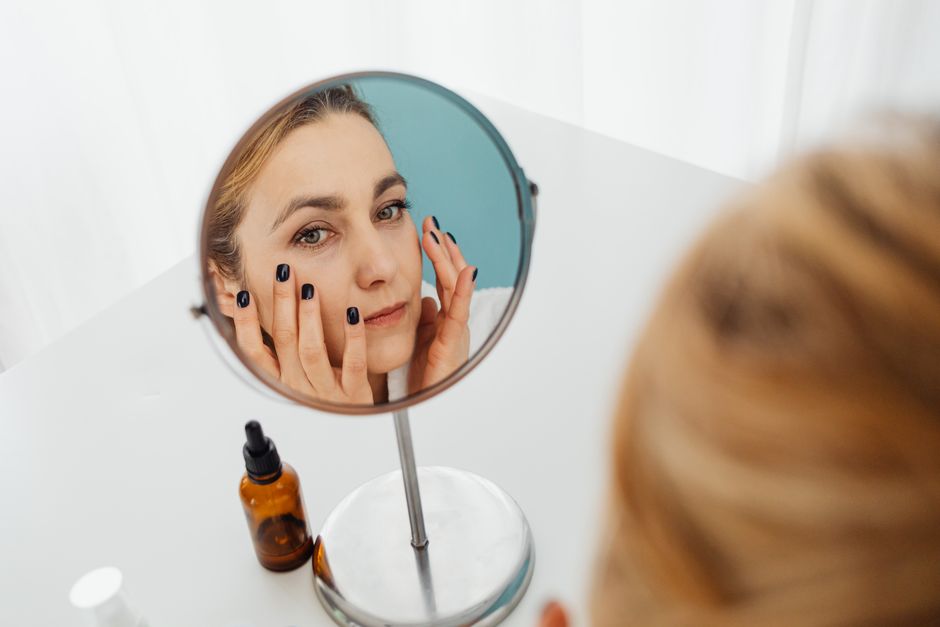
Yes, retinol oxidizes. It reacts with oxygen in the air and loses potency over time. The good news is that oxidation is usually visible before it becomes a real problem. A color shift from pale yellow to deep amber or brown is the clearest sign. Storing retinol away from light and air, and keeping the cap tight, slows the process down.
Retinol is a form of vitamin A, and like many vitamins, it degrades when exposed to oxygen, light, and heat. That degradation doesn’t happen all at once. It’s gradual. Understanding what’s actually happening in the bottle helps you tell the difference between normal aging and a product that has gone bad.
What Does It Mean When Retinol Oxidizes?
Oxidation is a chemical reaction. Retinol molecules lose electrons when they meet oxygen, and the resulting compounds are different from the retinol you started with. The vitamin A activity drops. The product doesn’t become toxic in any documented way, but it stops doing what you bought it for.
This is not a flaw in manufacturing. It’s basic chemistry. Any retinol product will oxidize eventually, no matter how well it’s made. The question is how fast.
Several things speed it up:
- Air exposure every time you open the container
- Sunlight or bright indoor light hitting the packaging
- Heat, including steamy bathrooms
- Water contamination from wet fingers or dirty spatulas
- Time since manufacture
Retinol is more stable than pure retinoic acid (tretinoin), which is why it’s used in over-the-counter products. But it’s less stable than synthetic retinoids like adapalene or tazarotene. That stability difference is one reason prescription retinoids and newer synthetic versions hold up better in storage.
How Can You Tell If Your Retinol Has Oxidized?
Color is the most reliable visual cue. Fresh retinol is typically pale yellow or nearly white. As it oxidizes, it darkens toward orange, amber, or brown. A deep brown color usually means significant degradation.
Smell can be a signal too. A rancid or sour odor suggests the formula has broken down. But smell is less consistent than color because fragrances and other ingredients can mask it.
Texture changes matter as well. If a cream that used to be smooth has separated, turned grainy, or shows liquid pooling at the top, the emulsion has failed. That’s not the same as oxidation, but it means the product is no longer stable.
Here’s the part that surprises people: a dark or opaque bottle isn’t just marketing. Retinol is sensitive to light, and UV exposure accelerates breakdown. Packaging that blocks light and limits air contact genuinely extends shelf life. If your retinol comes in a clear jar, it’s working against itself from day one.
One more thing worth knowing. You cannot judge oxidation by how the product feels on your skin. A degraded retinol may still spread nicely and cause no irritation. The absence of a reaction doesn’t mean the product is still active.
How Do You Slow Down Retinol Oxidation?
Storage is the single biggest factor you control. Keep retinol in a cool, dark place. A closed cabinet away from the shower works better than a bathroom shelf. The refrigerator is even better if you don’t mind the texture change from cold application.
Here are the practical steps that make the most difference:
- Keep the cap tightly closed when not in use
- Store away from windows and direct sunlight
- Avoid bathrooms with heavy steam if possible
- Use clean, dry hands or a small spatula to dispense
- Choose airless pump packaging over open jars when you can
- Don’t leave the lid off while you do other steps in your routine
Airless pumps deserve a specific mention. They limit how much air contacts the formula with each use. Jars expose the entire surface every time you open them. If you’re choosing between two products and everything else is equal, the pump is the better bet for stability.
Some formulations include antioxidants like vitamin E (tocopherol) or BHT to slow oxidation. These help, but they don’t stop it. They buy time. They don’t make a product last forever.





Does Retinol Expire? Understanding Shelf Life
Yes, retinol expires. Most products carry a period-after-opening symbol on the packaging. That symbol shows how many months the product remains stable after you first open it. Common values are 6M or 12M.
Unopened, most retinol products have a shelf life of about two to three years from the manufacture date. Once opened, that window shrinks. Air, light, and repeated exposure take their toll.
There’s no universal rule for exactly how long retinol lasts after opening. Formulation, packaging, and storage conditions all affect it. A well-formulated retinol in an airless pump stored in a dark cabinet will outlast a jarred version kept on a sunny bathroom counter.
If you’ve had a retinol sitting open for more than a year, especially in a jar, it’s reasonable to replace it. You don’t need to throw it away the moment it hits that mark, but don’t expect full potency.
Does Oxidized Retinol Still Work?
Partially, at best. As retinol oxidizes, the concentration of active vitamin A decreases. What remains may still have some effect, but it’s less than what the label claims.
This is why people sometimes notice their retinol seems to “stop working” after several months. The product hasn’t changed its ingredients list. The active ingredient has simply degraded.
There’s no reliable way to restore oxidized retinol. Once the molecule has reacted with oxygen, it doesn’t convert back. You can’t revive it by refrigerating it after the fact or by shaking the bottle.
If your retinol has turned dark brown and smells off, replacing it is the honest answer. Using a degraded product isn’t dangerous, but it’s not doing much either.
Does Retinol Oxidize on Your Skin?
This is a common concern, and the answer is more nuanced than most people expect. Retinol does react with oxygen in the air, but once it’s absorbed into your skin, the situation changes.
On the skin surface, some oxidation can occur before absorption. But the skin is not an open container. It’s a living barrier with its own antioxidant systems. The retinol that penetrates the outer layers is largely protected from the kind of rapid oxidation you see in a jar.
What matters more on your skin is how retinol converts to its active form. Retinol must be converted to retinoic acid through a two-step process involving enzymes in your skin cells. That conversion is gradual and rate-limited. It’s why retinol is gentler than prescription tretinoin, which is already the active form.
Sun exposure is a separate issue. UV light does degrade retinol on the skin surface, which is one reason dermatologists generally recommend using retinol at night. Nighttime use also reduces the chance of irritation from combining retinol with sun exposure.
How Should You Store Retinol to Make It Last?
Cool, dark, and dry. Those three words cover most of it. A bedroom drawer or a closed cabinet works well. The refrigerator extends life further, though cold temperatures can make some formulas thicker and harder to spread.
If you use a jar, close it immediately after each use. Don’t leave it open while you apply other products. Every second of exposure adds up over months.
Keep track of when you opened the product. Write the date on the label if it helps. Most people don’t remember, and then they’re guessing whether a product is still good.
Don’t stockpile retinol. Buying multiple bottles on sale seems smart, but unopened products still age. Buy what you’ll use within a reasonable timeframe.
Frequently Asked Questions
How can I tell if my retinol has gone bad?
A dark amber or brown color, a rancid smell, or a separated texture are the main signs. Fresh retinol is usually pale yellow or nearly white.
Does retinol oxidize in the bottle even if I haven’t opened it?
Yes, but much more slowly. Unopened retinol typically stays stable for about two to three years from manufacture. Once opened, air exposure speeds up the process.
Can I still use retinol that has changed color?
It’s not dangerous, but it’s likely less effective. If the color has shifted significantly toward brown, the active vitamin A has degraded and the product won’t perform as expected.
Does putting retinol in the fridge stop oxidation?
It slows oxidation but doesn’t stop it. Cool temperatures reduce the rate of chemical reactions, including oxidation. Refrigeration is helpful but not a permanent solution.
