
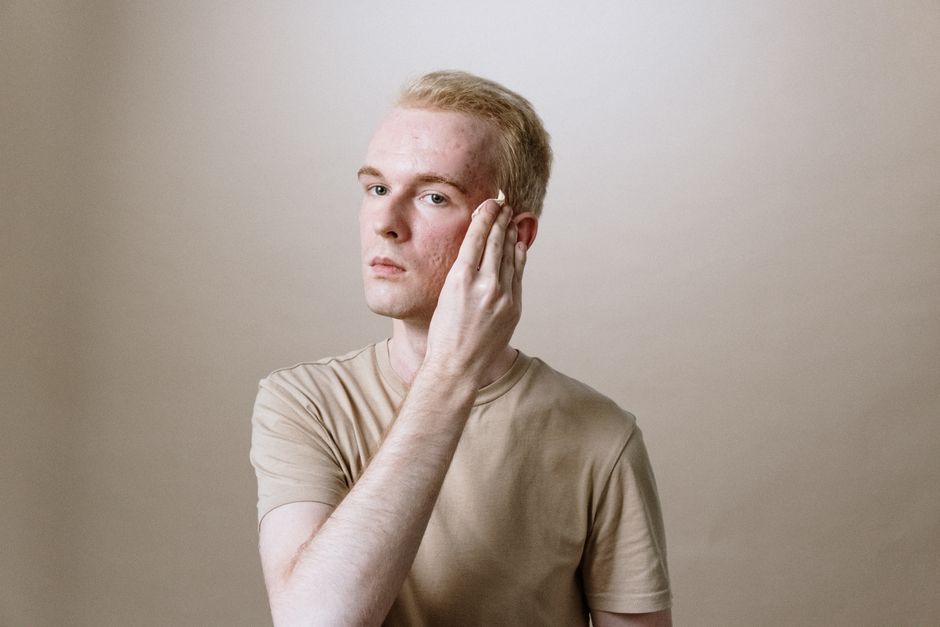
Retinol can help with acne. It is one of the most studied topical ingredients for treating acne, and it works by changing how skin cells turn over and by keeping pores from clogging. It is not a fast fix, and it does not work the same way for everyone. But for many people with mild to moderate acne, topical retinoids are a standard part of treatment.
Does Retinol Help With Acne?
Yes. Topical retinoids, the drug class that includes retinol and prescription-strength retinoids, are a well-established treatment for acne. They are widely recommended by dermatologists as a first-line option for mild to moderate inflammatory and non-inflammatory acne.
Retinol is a milder, over-the-counter form. It belongs to the same family as prescription retinoids like tretinoin and adapalene, but it is weaker and works more slowly. That matters when you are deciding what to try first.
The evidence for prescription retinoids is strong. The evidence for retinol specifically is more limited, because most clinical trials have tested prescription forms, not the over-the-counter version. That does not mean retinol does not work. It means the research is thinner for that exact product.
How Does Retinol Actually Work on Acne?
Acne forms when dead skin cells and oil block a hair follicle. Bacteria that live on the skin can then multiply inside the blocked pore, and the body’s immune response creates the redness and swelling you see.
Retinol affects the first part of that process. It speeds up how quickly skin cells turn over, so dead cells are less likely to stick together and plug the pore. This is called a comedolytic effect, meaning it helps prevent and clear comedones, the technical term for blackheads and whiteheads.
Retinol also appears to help calm some of the inflammation involved in acne. The exact way it does this is not fully understood, but it is a consistent finding across studies of retinoids.
One thing retinol does not do is kill acne bacteria directly. That is a different job, handled by other ingredients. Retinol addresses the blockage, not the bacteria.
How Long Does Retinol Take to Work for Acne?
Retinol is slow. Most people should expect to wait several weeks before seeing real improvement, and often longer. Prescription retinoids usually take around 8 to 12 weeks to show clear results, and over-the-counter retinol tends to be slower still because it is weaker.
This timeline is one of the most common reasons people give up. Acne can actually look worse before it looks better. As retinol speeds up cell turnover, it can push existing blockages to the surface faster, which may cause a temporary breakout. This is sometimes called purging.
Purging is different from irritation. Purging usually shows up in the same areas where you normally break out, and it settles within a few weeks. Irritation shows up as redness, flaking, stinging, or burning, and it means you are using too much or too often.
If you see no improvement after about three months of consistent use, that is a reasonable point to talk to a doctor about a prescription option.





What Is the Difference Between Retinol and Prescription Retinoids?
The main difference is strength and how much research backs each one. Prescription retinoids are more potent and have decades of clinical trial data behind them for acne. Retinol is available without a prescription and is gentler, but it has to be converted by your skin into the active form before it can work, which makes it less powerful.
Here is how the main options compare:
| Type | Availability | Relative strength | Evidence for acne |
|---|---|---|---|
| Retinol | Over the counter | Milder | Limited direct trials |
| Retinal (retinaldehyde) | Over the counter | Stronger than retinol | Limited direct trials |
| Adapalene | Some forms over the counter | Prescription-strength | Strong |
| Tretinoin | Prescription only | Prescription-strength | Strong |
Adapalene is worth noting because some concentrations are available without a prescription in the United States, and it has clinical trial support for acne. For many people, it may be a more evidence-backed over-the-counter starting point than retinol.
How Should You Use Retinol for Acne?
Start low and go slow. This is the single most useful piece of advice, because irritation is the main reason people quit.
- Use a pea-sized amount for the whole face. More is not better.
- Start with a low concentration and apply it a few nights a week, not every night.
- Apply to clean, dry skin. Applying to damp skin increases irritation.
- Use a moisturizer, and consider applying it before the retinol if your skin is sensitive.
- Use sunscreen every day. Retinol makes skin more sensitive to the sun.
If your skin tolerates it well after a few weeks, you can gradually increase how often you use it. If it stings or peels, pull back. There is no benefit to pushing through irritation.
A note on sunscreen: this is not optional. Retinol increases sun sensitivity, and unprotected sun exposure can undo some of the benefit and raise your risk of skin damage. Daily sunscreen is part of using retinol responsibly.
Who Should Be Careful With Retinol?
Retinol is not right for everyone. The most important caution involves pregnancy.
Retinoids are not recommended during pregnancy. Prescription retinoids are known to carry a risk of birth defects, and while the risk from over-the-counter retinol is considered much lower, the standard advice is still to avoid retinoids during pregnancy. If you are pregnant, planning to become pregnant, or breastfeeding, talk to your doctor before using any retinoid, including retinol.
People with very sensitive skin, eczema, or rosacea may find retinol too irritating, even at low strength. If you have a skin condition, it is worth asking a doctor before adding retinol to your routine.
Retinol can also interact with other active ingredients. Using it alongside strong exfoliating acids, benzoyl peroxide, or other retinoids can increase irritation. Some of these combinations are used together under medical guidance, but stacking them on your own often backfires.
Is Retinol Worth Trying for Acne?
For mild acne, retinol is a reasonable over-the-counter option, especially if you are patient and willing to build up slowly. It addresses one of the root causes of acne, and it has a solid track record as a class.
But be realistic about what it can do. Retinol is milder than prescription options, and the direct evidence for retinol itself is thinner than the evidence for prescription retinoids. If your acne is moderate to severe, or if it involves deep, painful cysts, retinol is unlikely to be enough on its own. That kind of acne usually needs prescription treatment, and sometimes more than one approach.
If you have tried retinol consistently for a few months without results, or if your acne is causing scarring or distress, that is a signal to see a dermatologist rather than keep experimenting. Acne is treatable, and the options get stronger once a doctor is involved.
Frequently Asked Questions
Does retinol really help with acne?
Yes, retinol can help with acne by keeping pores from clogging and speeding up skin cell turnover. It is milder and slower than prescription retinoids, so results take time.
How long does retinol take to clear acne?
Expect several weeks at minimum, and often around two to three months for clear improvement. Over-the-counter retinol tends to work more slowly than prescription forms.
Can retinol make acne worse before it gets better?
Yes, it can cause a temporary breakout known as purging as blockages surface faster. This usually settles within a few weeks, unlike irritation, which means you are using too much.
Is retinol safe during pregnancy?
Retinoids are not recommended during pregnancy or breastfeeding. Talk to your doctor before using retinol if you are pregnant, planning to become pregnant, or breastfeeding.
