
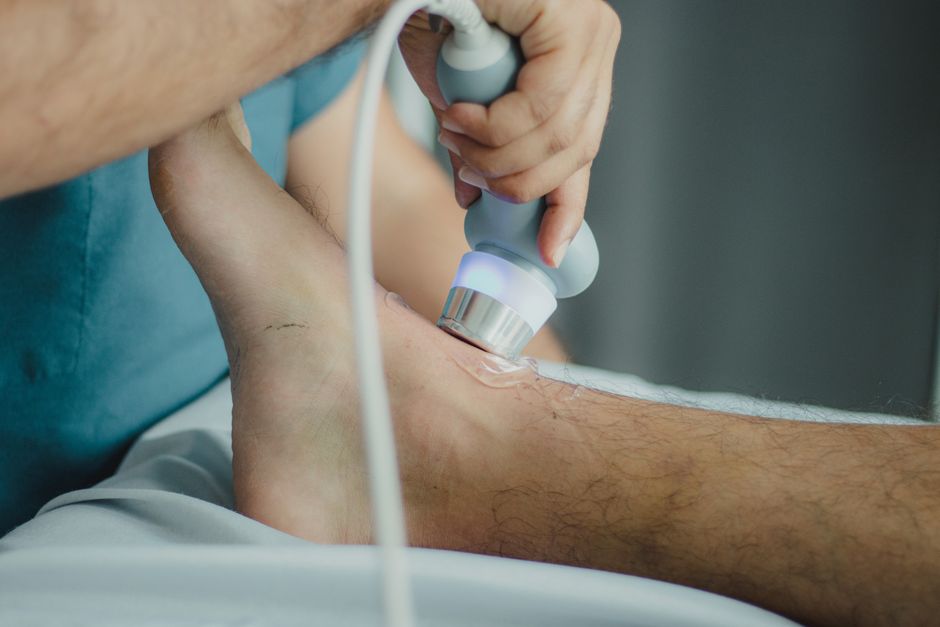
Red light therapy is having a moment. Clinics sell sessions for sore joints, skin problems, and recovery after workouts. Home devices are everywhere. The question people actually want answered is simple: does it calm inflammation, or is this another wellness trend with a fancy name?
Red light therapy does appear to reduce inflammation in some specific situations. Studies on certain conditions, like joint pain and skin inflammation, show real but modest effects. The catch is that results depend heavily on the dose, the device, and what condition is being treated. Many claims go far beyond what the evidence supports.
Here is what is established, what is still uncertain, and how to think about whether it might help you.
What Is Red Light Therapy and How Does It Work?
Red light therapy uses low-power light in the red and near-infrared range to shine on the skin. It is sometimes called photobiomodulation or low-level laser therapy. The light does not burn or cut. It passes through the outer layers of skin and reaches cells underneath.
The main proposed mechanism involves mitochondria, the energy-producing structures inside cells. A specific enzyme in the mitochondria can absorb red and near-infrared light. When that happens, some research suggests it may increase energy production and trigger signaling that affects inflammation. This mechanism is well described in laboratory studies. Whether it fully explains the clinical effects seen in people is less certain.
One important clarification: red light therapy is not the same as ultraviolet light therapy, which dermatologists use for conditions like psoriasis. UV light works through a different mechanism and carries different risks. The two are often confused.
Red light therapy is also not the same as lasers used in surgery. Those use much higher power to cut or destroy tissue. Therapeutic red light uses low power and does not damage tissue.
Does Red Light Therapy Reduce Inflammation?
The evidence points to a real anti-inflammatory effect, but it is modest and condition-specific. This is not a treatment that works the same way for every problem.
Some studies show reduced markers of inflammation in skin and joint tissue after treatment. Other studies show pain reduction without clear changes in inflammation markers. Pain relief and inflammation reduction are not the same thing, and this distinction matters.
Research published in journals covering photobiomodulation has found benefits for certain joint conditions, including knee osteoarthritis. The effects tend to be small to moderate compared with no treatment. Many of these studies are also small, which limits how much weight they can carry.
For skin inflammation, some evidence supports use in conditions like acne and certain inflammatory skin disorders. Again, effects are usually modest.
What is less clear is whether red light therapy reduces systemic inflammation, meaning inflammation throughout the body. Most research looks at local effects, like a specific joint or patch of skin. Claims that a light device lowers whole-body inflammation are not well supported by human trials.
What Conditions Have the Most Evidence?
Evidence is uneven across conditions. Some have a reasonable research base. Others have almost none.
- Knee osteoarthritis: Several studies suggest modest pain reduction and improved function. This is one of the better-studied uses.
- Inflammatory skin conditions: Some evidence for acne and certain other skin problems. Results vary by condition and device.
- Muscle recovery and soreness: Some studies suggest reduced soreness after exercise. Findings are mixed, and effects are usually small.
- Chronic wounds: Some clinical use exists, particularly in certain wound care settings. Evidence is limited and not uniform.
- Thyroid conditions: Some research exists, but it is early and not enough to recommend it as a standard treatment.
For many other conditions where red light therapy is marketed, including general fatigue, immune support, and “detox,” there is no reliable clinical evidence. Those claims should be treated with skepticism.
-
 Do Cannabinoids Reduce Inflammation? Here’s What to Know
 -
What Can I Do to Reduce Inflammation in My Body? What to Know
-
How Much Green Tea to Reduce Inflammation? A Closer Look
-
How to Reduce Bladder Inflammation Naturally? Simple Steps That Help
-
Joint Genesis Reviews 2025. Does Biodynamix Supplement Work





What Does the Dose and Device Have to Do With It?
Dose matters more than most people realize. Too little light does nothing. Too much can potentially make things worse. This is one of the more counterintuitive findings in the field.
The dose depends on three things: the power of the device, the distance from the skin, and how long the treatment lasts. Two devices that look identical can deliver very different doses. A device sold for home use may not match the output of a clinical device, even if the marketing suggests otherwise.
Wavelength also matters. Red light and near-infrared light penetrate tissue differently. Some conditions may respond better to one than the other. Most studies use specific wavelengths, and results do not automatically transfer to devices using different ones.
This is why “red light therapy” as a general category is hard to evaluate. A study on one device at one dose does not tell you whether a different device at a different dose will work.
Is Red Light Therapy Safe?
For most people using it on the skin, red light therapy has a good safety record in the short term. It does not involve ionizing radiation. It does not burn skin at typical therapeutic doses.
Reported side effects are usually mild and include temporary redness or warmth at the treatment site. These typically resolve on their own.
Some cautions apply. People taking medications that increase light sensitivity should talk to a doctor first. This includes certain antibiotics and some other drugs. Anyone with a history of skin cancer, or with active skin cancer, should get medical guidance before using light therapy on the skin.
Eye safety is also worth noting. Some devices are marketed for use near the face. Staring directly into a light source is not advised. Protective eyewear is often recommended depending on the device and the area being treated.
Pregnant women and children are groups where evidence is limited. No clinical guidelines currently exist for red light therapy in these populations. That does not mean it is proven unsafe. It means the research has not been done well enough to say.
What Should You Expect If You Try It?
If red light therapy helps, the effects are usually gradual. This is not a treatment that produces immediate dramatic change. Some people notice improvement over several weeks. Others notice nothing.
Response varies a lot between people. Some of this is likely due to differences in dose, device quality, and how the treatment is applied. Some of it may simply be individual variation that researchers do not yet fully understand.
It is also worth being clear about what this therapy is and is not. For most conditions where it is studied, red light therapy is a supportive treatment, not a cure. It may reduce pain or calm local inflammation. It is not a replacement for treatments with stronger evidence, like physical therapy for joint problems or prescription medications for inflammatory conditions.
If you have a chronic inflammatory condition, the most important steps are usually the ones with the strongest evidence: working with a doctor on a treatment plan, staying active where possible, and managing underlying conditions. Red light therapy may be a reasonable addition for some people. It should not be the main strategy.
Frequently Asked Questions
Does red light therapy actually reduce inflammation?
Yes, in some specific situations, but the effect is usually modest. Studies show reduced inflammation in certain joint and skin conditions, but not all claims about whole-body inflammation are supported by evidence.
How long does it take for red light therapy to work?
Some people notice changes over several weeks of regular use, but response varies widely. There is no reliable timeline that applies to everyone, and some people see no benefit at all.
Is red light therapy safe to use at home?
For most people, short-term use on the skin appears safe, with mild redness as the most common side effect. People taking light-sensitizing medications or with a history of skin cancer should check with a doctor first.
Can red light therapy replace medication for inflammation?
No. For most conditions, it is a supportive treatment at best and is not a substitute for treatments with stronger evidence. Anyone with a chronic inflammatory condition should discuss their full plan with a doctor.
