
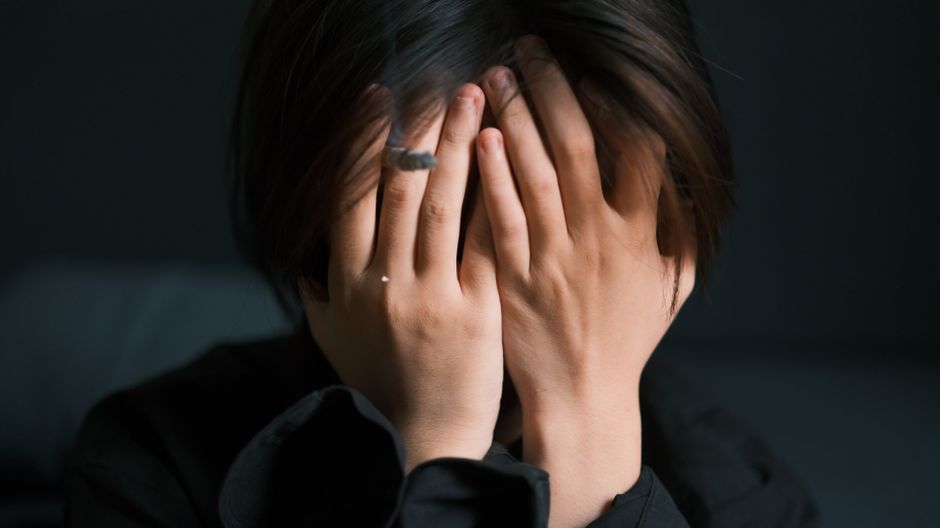
Puberty depression does not simply “go away” on its own for most teens, but with the right support, the majority recover fully. Research shows that about 70% of teens with depression will get better within a year if they receive treatment. Without help, symptoms can last much longer and may return in adulthood. Recovery looks different for everyone, but it is real and achievable.
What Does Depression During Puberty Actually Look Like?
Depression in puberty is not just moodiness or teenage attitude. It is a real medical condition that changes how a young person thinks, feels, and acts. The National Institute of Mental Health reports that about 3.2 million teens aged 12 to 17 had at least one major depressive episode in the past year.
The signs often get confused with normal puberty changes. But there are clear differences. A teen with depression may lose interest in things they used to love. They might pull away from friends and family. Sleep patterns shift — either sleeping too much or too little. Grades often drop. Some teens complain of stomachaches or headaches with no clear cause.
One warning sign that gets overlooked is irritability. Depressed teens are more likely to snap at people or seem angry than to cry or say they feel sad. This is especially true for boys. If your teen seems angry all the time, it could be depression.
Does Puberty Depression Go Away on Its Own?
The short answer is no. Research published in the Journal of the American Academy of Child and Adolescent Psychiatry found that untreated depression in teens lasts an average of 7 to 9 months. Some episodes last longer. And about 50% of teens who have one episode will have another within five years.
This does not mean there is no hope. It means waiting it out is not a good plan. The longer depression goes untreated, the harder it can be to treat later. Early help makes a big difference.
Some teens do get better without formal treatment. But this is not common. And even when symptoms fade, the underlying issues often remain. That is why professional support matters so much.
What Does Recovery From Puberty Depression Look Like?
Recovery is not a straight line. It does not mean being happy every day. It means symptoms fade enough that a teen can function well again. They go back to school. They reconnect with friends. They sleep and eat normally. They find joy in things again.
Most teens who get treatment start to feel better within 4 to 6 weeks. Full recovery usually takes 6 to 12 months. The American Academy of Pediatrics recommends that treatment continue for at least 6 months after symptoms go away to prevent relapse.
Here is what recovery often includes:
- Sleep returns to a normal pattern
- Appetite improves and weight stabilizes
- Energy levels come back up
- Interest in hobbies and friends returns
- Irritability and anger decrease
- School performance improves
- Suicidal thoughts fade or stop
One thing many parents do not realize: recovery often happens in stages. A teen might seem better for a few weeks, then slide back. This is normal. It does not mean treatment is failing. It means the brain is still healing.





What Treatments Actually Work for Puberty Depression?
Two treatments have the strongest evidence behind them: therapy and medication. The combination works best for moderate to severe depression.
Cognitive behavioral therapy (CBT) is the most studied therapy for teen depression. It teaches teens to notice negative thought patterns and replace them with more realistic ones. The American Psychological Association lists CBT as a well-established treatment for adolescent depression.
Interpersonal therapy (IPT) also works well. It focuses on relationships and communication skills. Teens learn how to handle conflicts and build stronger connections with others.
Medication is another option. The FDA has approved fluoxetine (Prozac) and escitalopram (Lexapro) for teens. These are selective serotonin reuptake inhibitors (SSRIs). They increase serotonin levels in the brain, which helps regulate mood.
Here is a comparison of the main treatment options:
| Treatment | How It Works | Time to Feel Better | Common Side Effects |
|---|---|---|---|
| CBT therapy | Changes negative thinking patterns | 4-8 weeks | None |
| IPT therapy | Improves relationships and communication | 4-8 weeks | None |
| SSRI medication | Increases brain serotonin | 4-6 weeks | Nausea, sleep changes, appetite changes |
| Combined therapy + medication | Addresses thoughts and brain chemistry | 4-6 weeks | Same as medication alone |
The Treatment for Adolescents with Depression Study (TADS) found that after 12 weeks, about 71% of teens who got both therapy and medication showed significant improvement. Only 35% improved with medication alone, and 43% with therapy alone. The combination is powerful.
What Can Parents Do to Support Recovery at Home?
Parents play a big role in recovery. But it is not about fixing the problem yourself. It is about creating an environment where healing can happen.
Listen more than you talk. Teens need to feel heard. When they share feelings, do not jump in with solutions. Just say “that sounds really hard” or “I am glad you told me.” This builds trust.
Keep routines steady. Depression thrives on chaos. Regular meal times, bedtimes, and family activities provide stability. Even small routines matter.
Encourage small steps. Do not push a depressed teen to “just cheer up” or “try harder.” Instead, suggest a 10-minute walk together. Or ask them to pick one friend to text. Small wins build momentum.
Watch for warning signs. If your teen talks about suicide, says things like “everyone would be better off without me,” or starts giving away belongings, take it seriously. Call 988 in the US for the Suicide and Crisis Lifeline. Do not wait.
One thing parents often get wrong: they blame themselves. Depression is a brain condition. It is not caused by bad parenting. But parents can be part of the solution by staying calm, consistent, and supportive.
What Makes Puberty Depression Different From Adult Depression?
Teen brains are still developing. The prefrontal cortex — the part that handles impulse control and decision-making — is not fully formed until the mid-20s. This changes how depression shows up.
Teens are more likely to act out than to withdraw. They might skip school, start fights, or use alcohol or drugs. These behaviors are often attempts to cope with overwhelming feelings. Adults tend to slow down when depressed. Teens often speed up into risky behavior.
Hormones also play a role. Puberty triggers massive hormonal shifts. These changes affect mood regulation directly. Research in the journal Biological Psychiatry shows that hormonal fluctuations during puberty can make the brain more sensitive to stress.
Social factors matter more for teens. Peer rejection, bullying, and social media pressure hit harder during adolescence. The CDC reports that teens who experience bullying are 2 to 3 times more likely to develop depression. These social triggers are different from the life stressors adults face.
Common Misconceptions About Puberty Depression
There is a lot of bad information out there. Here are some myths that need clearing up.
Myth: Teens are just dramatic. They will grow out of it.
This is widely claimed, but strong evidence is limited. Some teens do get better without help. But research shows that untreated depression increases the risk of suicide, substance abuse, and long-term mental health problems. Do not gamble on your child’s future.
Myth: Antidepressants cause suicide in teens.
This comes from a real concern. The FDA put a black box warning on antidepressants for teens in 2004 after studies showed a small increase in suicidal thoughts in the first few weeks of treatment. But the risk is small — about 1 in 50 teens. And the risk of untreated depression is far higher. The FDA warning led to fewer teens getting treated, and suicide rates went up. Talk to a psychiatrist about the risks and benefits.
Myth: Therapy does not work for teens.
This is false. Multiple large studies show that therapy works as well for teens as it does for adults. The key is finding a therapist your teen connects with. If the first one does not click, try another.
Myth: Depression is just a chemical imbalance.
This is an oversimplification. Depression involves brain chemistry, but also genetics, life experiences, and environment. Treating it requires addressing all these factors, not just taking a pill.
When Does Puberty Depression Become a Long-Term Problem?
For about 30% of teens, depression does not go away easily. It becomes a chronic condition that lasts into adulthood. The strongest predictor is having a family history of depression. If a parent or sibling has had depression, the teen is 2 to 3 times more likely to have it too.
Other risk factors include having another mental health condition like anxiety or ADHD, experiencing trauma, and having a first episode that was severe. Teens who do not get treatment within the first few months are also more likely to have long-term problems.
But even chronic depression can be managed. With ongoing treatment and support, most people with depression can live full, productive lives. The goal shifts from cure to management — like managing diabetes or asthma.
One thing that helps: teaching teens coping skills early. Mindfulness, exercise, and healthy sleep habits are not cures. But they build resilience. Teens who learn these skills are better equipped to handle future episodes.
Frequently Asked Questions
How long does puberty depression usually last?
Without treatment, an episode lasts 7 to 9 months on average. With treatment, most teens feel better in 4 to 8 weeks.
Can puberty depression come back after it goes away?
Yes. About 50% of teens will have another episode within five years. Continuing treatment for at least 6 months after recovery helps prevent relapse.
What is the best treatment for teenage depression?
Combining therapy and medication works best for moderate to severe depression. For mild cases, therapy alone is often enough.
Should I be worried if my teen seems angry all the time?
Yes. Irritability is a common symptom of depression in teens, especially boys. If anger lasts more than two weeks and affects daily life, seek professional help.
