
If you have ever been told your cholesterol is high and immediately wondered whether your steak, eggs, or protein shake was to blame, you are asking the right question. The short answer: protein itself does not raise cholesterol. The foods that carry protein often do. A skinless chicken breast and a fatty ribeye both deliver protein, but they affect your blood cholesterol in very different ways.
Cholesterol is a waxy substance your body needs to build cells, make hormones, and produce vitamin D. Your liver makes most of it. The rest comes from food. What raises blood cholesterol most reliably is not protein but saturated fat, trans fat, and excess calories. Protein is largely a bystander.
Does Protein Increase Cholesterol Or Is It The Food?
Protein does not raise cholesterol. The confusion comes from lumping all protein foods together when they are nutritionally very different.
Consider two foods with nearly identical protein content: a serving of skinless turkey breast and a serving of pork sausage. Both deliver protein. Only one is high in saturated fat. Saturated fat is the dietary factor most consistently linked to higher LDL cholesterol, the “bad” kind. The protein is not the problem. The fat traveling alongside it is.
This is why nutrition researchers focus on food sources rather than the protein macronutrient itself. When studies compare diets with different protein amounts but matched saturated fat, protein intake alone does not drive LDL up. When saturated fat goes up, LDL tends to follow.
The practical takeaway is simple. If your cholesterol is high, look at what comes with the protein on your plate, not the protein itself.
How Does Saturated Fat Raise Cholesterol?
Saturated fat affects cholesterol through a well-understood liver mechanism. When you eat more saturated fat, your liver produces fewer LDL receptors. These receptors normally pull LDL cholesterol out of your bloodstream and clear it.
With fewer receptors working, LDL stays in circulation longer. Blood LDL rises. This is not a theory. It is a mechanism supported by decades of metabolic research and consistent across many populations.
Foods high in saturated fat include:
- Fatty cuts of beef, pork, and lamb
- Butter, lard, and tallow
- Full-fat dairy such as cheese and cream
- Processed meats like sausage, bacon, and salami
- Palm oil and coconut oil
Notice that most of these are also protein foods. That overlap is exactly why protein gets blamed. If you cut back on fatty red meat and your cholesterol drops, it was the saturated fat, not the protein, that changed.
One clarification worth holding onto: dietary cholesterol, the cholesterol found in eggs and shrimp, has a much smaller effect on blood cholesterol for most people than saturated fat does. The body adjusts its own production to compensate. Some people are more sensitive to dietary cholesterol than others, but for the general population, saturated and trans fats matter more.
Which Protein Foods Raise Cholesterol And Which Do Not?
The source of protein matters far more than the amount. Plant proteins and lean animal proteins tend to support healthier cholesterol levels. Fatty and processed meats tend to work against them.
Here is a general comparison based on well-established nutrition data:
| Protein Source | Saturated Fat | Effect on LDL Cholesterol |
|---|---|---|
| Skinless chicken or turkey | Low | Minimal |
| Fish (especially fatty fish) | Low to moderate | Neutral to favorable |
| Beans, lentils, soy | Very low | Favorable |
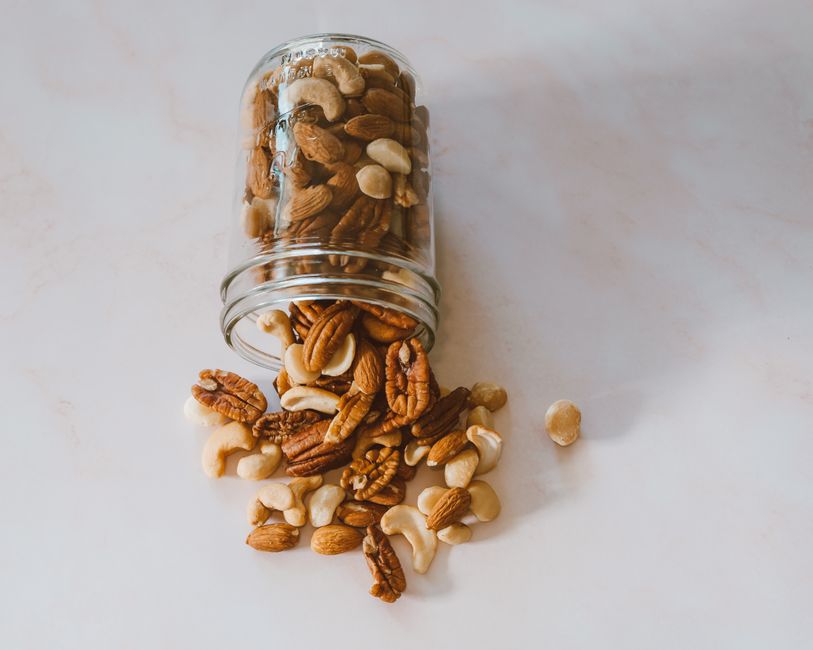
| Nuts and seeds | Low | Favorable |
| Eggs | Moderate | Minimal for most people |
| Fatty red meat | High | Unfavorable |
| Processed meats | High | Unfavorable |
Fatty fish deserves a note. It contains omega-3 fats, which do not lower LDL cholesterol directly but are linked to lower cardiovascular risk through other pathways. That is a different benefit from cholesterol lowering, and it is worth keeping the two ideas separate.
Soy protein is another interesting case. Some research suggests soy foods can modestly lower LDL cholesterol compared with animal protein, though the effect is generally small and varies between people. It is a reasonable swap, not a dramatic intervention.
Does A High-Protein Diet Raise Cholesterol?
A high-protein diet raises cholesterol only if the extra protein comes packaged with saturated fat. Protein amount by itself is not the driver.
This matters because high-protein diets have become popular for weight loss and muscle building. Some of these diets emphasize meat, cheese, and butter. Others emphasize lean meats, fish, beans, and low-fat dairy. The cholesterol effects are not the same.
When researchers compare higher-protein diets that are low in saturated fat to standard diets, LDL cholesterol typically does not rise. When the higher-protein diet is heavy in fatty animal foods, LDL often does rise. The pattern is consistent enough that most clinicians now focus on food quality rather than protein percentage.
There is one more factor: weight loss itself. Losing weight, by almost any method, tends to improve cholesterol numbers. So a high-protein diet that helps you lose weight may improve your cholesterol even if the diet contains more saturated fat than ideal. This is why individual results vary and why a single number on a lab report does not tell the whole story.
What Actually Lowers Cholesterol?
Replacing saturated fat with unsaturated fat lowers LDL cholesterol. This is one of the most consistent findings in nutrition science.
Unsaturated fats are found in olive oil, avocado, nuts, seeds, and fatty fish. When people swap butter for olive oil, or fatty beef for beans, LDL cholesterol usually drops. The protein content of the meal is not what changes. The fat type is.
Other factors that support healthy cholesterol levels include:
- Soluble fiber from oats, barley, beans, and apples
- Regular physical activity
- Maintaining a healthy body weight
- Limiting trans fats, which are now largely removed from the US food supply
- Not smoking
For some people, diet and lifestyle changes are not enough. Genetics play a large role in cholesterol levels. Familial hypercholesterolemia, an inherited condition, can cause very high LDL cholesterol regardless of diet. If your cholesterol is high despite a good diet, that is a conversation to have with your doctor, not a reason to blame your protein intake.
Do Eggs Raise Cholesterol?
Eggs have a complicated reputation that does not match the evidence. For most people, eating eggs does not meaningfully raise blood cholesterol.
Eggs are high in dietary cholesterol, but dietary cholesterol has a smaller effect on blood cholesterol than saturated fat for the majority of people. Large population studies have generally not found a strong link between moderate egg consumption and heart disease in healthy adults. Some people with diabetes or with a genetic sensitivity to dietary cholesterol may respond differently.
The bigger issue with eggs is usually what you eat with them. Eggs fried in butter and served with bacon and cheese are a very different meal than eggs poached and served with vegetables. The eggs are not the problem in either case. The company they keep is.
What Should You Do If Your Cholesterol Is High?
Look at your overall dietary pattern, not just your protein. The most effective changes usually involve reducing saturated fat and increasing fiber and unsaturated fat.
Specific steps that align with established guidance include:
- Swap fatty red meat for fish, poultry, or beans several times a week
- Choose low-fat or fat-free dairy instead of full-fat versions
- Cook with olive or canola oil instead of butter or lard
- Add oats, beans, or barley to your daily meals for soluble fiber
- Limit processed meats like bacon, sausage, and deli meats
These are general dietary patterns supported by cardiovascular research, not a personalized prescription. Cholesterol response varies from person to person. Some people see large changes from diet. Others see very little because genetics dominate. Your doctor can help you understand which factors matter most in your case.
What you should not do is cut protein to lower cholesterol. Protein is essential for muscle, immune function, and countless other roles. The goal is to choose protein sources that come with less saturated fat, not to eat less protein.
Frequently Asked Questions
Does protein increase cholesterol?
No. Protein itself does not raise cholesterol. The saturated fat that often comes with protein-rich foods is what raises LDL cholesterol.
Is it the food or the protein that raises cholesterol?
It is the food. Fatty and processed meats raise cholesterol because of their saturated fat content, not their protein content.
Can I eat meat if I have high cholesterol?
Yes, but the type matters. Lean meats like skinless poultry and fish are generally fine, while fatty red meat and processed meats are best limited.
Do eggs raise cholesterol?
For most people, eggs do not meaningfully raise blood cholesterol. Dietary cholesterol has less impact than saturated fat for the general population.
