
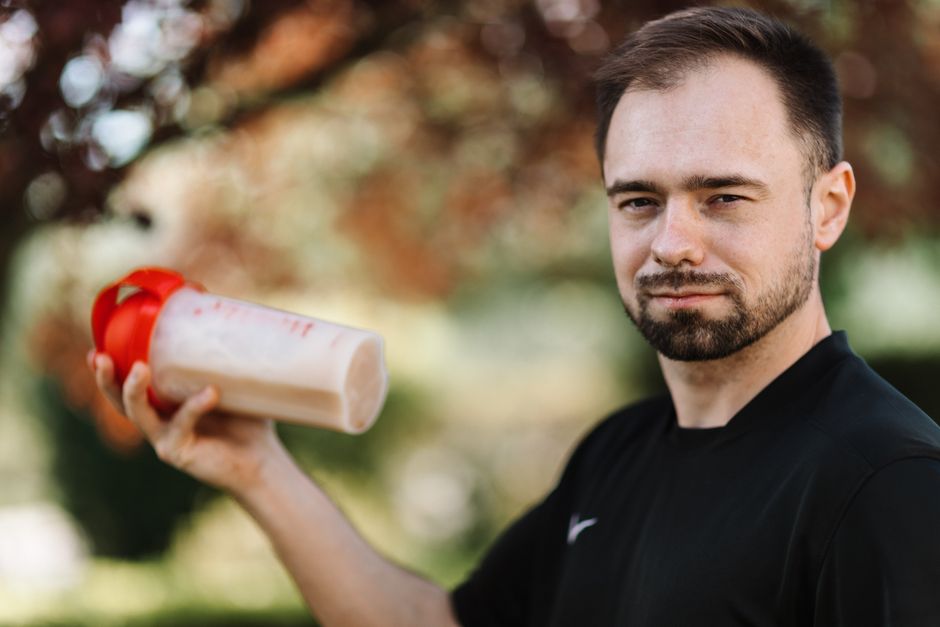
Protein does not burn fat. It supports fat loss indirectly, by helping you preserve muscle and stay full, but without a calorie deficit your body will not lose fat no matter how much protein you eat. Exercise is not strictly required for fat loss, though it changes the picture in ways worth understanding.
The idea that protein somehow “burns” fat is one of the most persistent food myths going. It comes from a real observation — digesting protein does cost the body more energy than digesting fat or carbs — but that cost is small, and it does not add up to meaningful fat loss on its own. What protein actually does is more useful and less dramatic than the marketing suggests.
Does Protein Burn Fat Without Exercise?
No. Protein has no mechanism for burning fat, and eating more of it does not trigger fat loss in the absence of a calorie deficit. The confusion comes from a real physiological effect called the thermic effect of food.
Every time you eat, your body spends energy digesting, absorbing, and storing the nutrients. Protein costs more to process than carbohydrate or fat. That is a genuine finding, well documented in nutrition research. But the extra energy spent is modest — a small fraction of the calories in the protein itself — and it does not come close to producing the deficit needed for fat loss.
Where protein genuinely helps is appetite. Protein is generally more satiating than fat or carbohydrate, meaning it tends to make you feel full for longer. Some studies suggest higher-protein diets can help people eat fewer calories without consciously counting them. That is an indirect route to a deficit, not a direct fat-burning effect.
The other real role is muscle preservation. When you lose weight, some of that weight is muscle unless you are doing something to protect it. Adequate protein intake helps limit muscle loss during a calorie deficit. That matters for how you look and how your body functions, but it is not the same as burning fat.
What Does Protein Actually Do in the Body?
Protein is a structural and functional nutrient, not a fat-burning agent. It builds and repairs muscle, skin, and connective tissue, makes enzymes and hormones, and supports immune function. Those roles are well established and not in dispute.
When you eat protein, your body breaks it into amino acids and reassembles them into whatever it needs. If you eat more protein than your body can use for these purposes, the surplus does not get “burned off” as fat. It is either oxidized for energy or, depending on your overall calorie intake, stored as fat like any other excess calorie.
This is the point most protein marketing skips. Protein is not a free food. It contains calories — the same 4 calories per gram as carbohydrate, compared with 9 per gram for fat. Eating more protein than your body needs, on top of everything else you eat, adds calories rather than removing them.
There is one more piece worth knowing. The thermic effect of protein is real, and it is higher than for the other macronutrients. But the effect is often exaggerated online. It reflects the energy cost of processing food, not a bonus burn you can scale up indefinitely by eating more protein.
Can You Lose Fat Without Exercise at All?
Yes. Fat loss is driven by a calorie deficit, and a calorie deficit can be created through diet alone. Exercise is not a requirement for losing fat, though it does influence body composition and health in ways diet alone does not fully cover.
The evidence on this is consistent. Weight loss programs built around dietary change alone reliably produce weight loss in controlled settings. Adding exercise tends to improve outcomes for cardiovascular health, blood sugar control, and muscle preservation, but the fundamental driver of fat loss remains the deficit.
What exercise does particularly well is protect muscle during weight loss. People who lose weight through diet alone tend to lose a mix of fat and lean tissue. Resistance training, in particular, helps shift that ratio toward more fat loss and less muscle loss. That is a real benefit, and it is different from saying exercise is necessary to burn fat.
The practical implication is honest but unglamorous. If you want to lose fat and you are not exercising, you can still do it by managing what you eat. If you want to lose fat and keep more of your muscle, adding resistance training is the more effective approach. Neither path involves protein burning fat.

How Much Protein Do You Actually Need?
Most adults need a moderate amount of protein, and the widely cited minimum is not the same as an optimal target for someone trying to preserve muscle while losing fat. The two numbers get confused constantly.
The established minimum for adults is roughly 0.8 grams of protein per kilogram of body weight per day, which is the amount needed to prevent deficiency in most healthy adults. That is a requirement, not a fat-loss recommendation. For someone losing weight, some researchers and clinicians suggest higher intakes to help preserve muscle, though there is no single universally agreed figure.
Higher-protein diets in the range often discussed for weight management are generally considered safe for healthy adults with normal kidney function. People with kidney disease need individualized guidance, and that is a conversation for their clinician, not a general article.
For pregnant and breastfeeding women, infants, and children, protein needs differ and should follow established pediatric and obstetric guidance rather than weight-loss targets. No clinical guidelines support using high-protein weight-loss strategies in these groups without medical supervision.
Why the “Protein Burns Fat” Idea Spreads
The claim survives because it contains a grain of truth wrapped in an exaggeration. The thermic effect of food is real. Protein is more satiating than other macronutrients. Higher-protein diets do show up in weight-loss research. String those facts together loosely and you get “protein burns fat,” which is not what any of them say.
There is also a commercial incentive. Protein powders, bars, and fortified foods are a large market, and a claim that protein actively burns fat sells better than the accurate version, which is that protein supports a calorie deficit by helping you feel full and preserve muscle.
One clarification worth holding onto: the satiety effect of protein is real but not unlimited. Eating more protein than your body needs does not keep making you fuller or burn more fat. At some point, extra protein is just extra calories.
What Actually Drives Fat Loss?
A calorie deficit drives fat loss. Your body stores excess energy as fat and releases it when you consistently take in less energy than you use. That is the mechanism, and it holds whether or not you exercise and whether or not you eat a lot of protein.
Protein and exercise both influence how that deficit plays out. Protein helps with fullness and muscle preservation. Exercise, especially resistance training, helps protect muscle and supports cardiovascular and metabolic health. Neither one replaces the deficit.
This is where honest expectations matter. Fat loss takes time, and the rate varies widely between people based on starting point, adherence, and individual physiology. Anyone promising fast fat loss from protein alone is selling something the evidence does not support.
Does eating protein burn belly fat?
No. Protein does not target belly fat or any specific fat store, and fat loss happens across the body based on genetics and overall deficit, not the foods you eat.
Can I lose weight by only eating protein?
You can lose weight on a high-protein diet if it puts you in a calorie deficit, but eating protein alone does not guarantee fat loss. Very restrictive protein-only diets are not recommended without medical supervision because they can miss essential nutrients.
Is protein powder necessary for fat loss?
No. Protein powder is a convenient way to add protein, but whole foods like eggs, fish, poultry, beans, and dairy provide protein along with other nutrients. No evidence shows protein powder produces fat loss that food-based protein does not.
Does protein help you lose weight without working out?
Protein can help with fullness and muscle preservation during weight loss, but it does not cause fat loss without a calorie deficit. Without exercise, you may lose more muscle along with fat, which resistance training helps limit.
Frequently Asked Questions
Does protein burn fat without exercise?
No. Protein does not burn fat, and without a calorie deficit it will not produce fat loss regardless of exercise. Its real roles are supporting fullness and helping preserve muscle during weight loss.
How much protein should I eat to lose fat?
The established minimum for adults is about 0.8 grams per kilogram of body weight per day, though some clinicians suggest higher intakes during weight loss to help preserve muscle. There is no single universally agreed target for fat loss.
Can you lose fat without exercise?
Yes, fat loss is driven by a calorie deficit, which can be created through diet alone. Exercise, especially resistance training, helps preserve muscle and supports overall health during weight loss.
Does protein have calories?
Yes, protein provides 4 calories per gram, the same as carbohydrate and less than fat at 9 calories per gram. Eating more protein than your body needs adds calories rather than burning them.
