
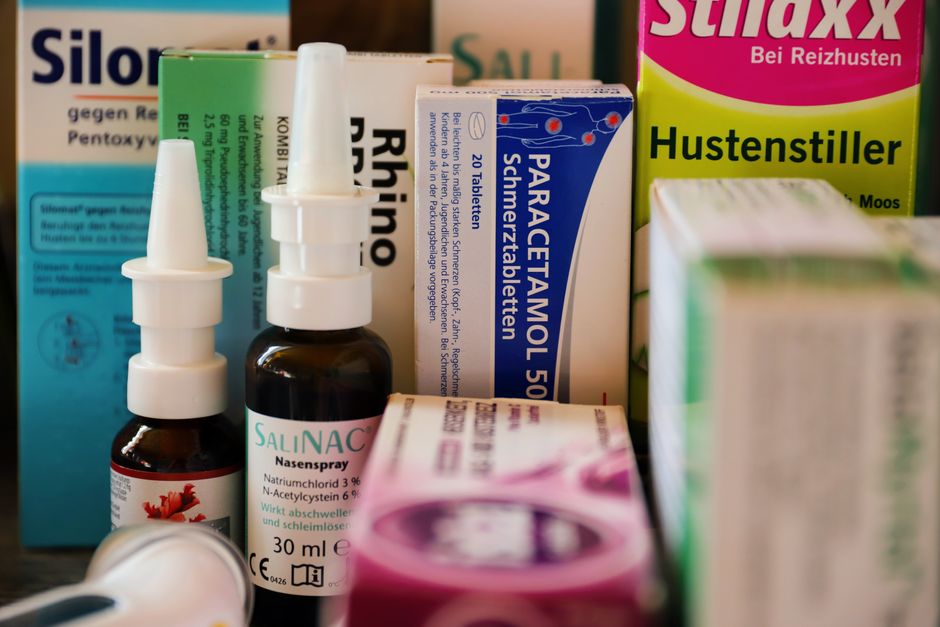
Postnasal drip goes into your stomach, not your lungs. The mucus that drips down the back of your throat is almost always swallowed without you noticing it. From there it travels into the stomach, where normal stomach acid breaks it down. The lungs are protected by a reflex that closes off the airway when you swallow.
That reflex is why healthy people do not get postnasal drip in their lungs during the day. The confusion comes from the fact that some of the same conditions that cause postnasal drip can also affect the lungs in other ways. Understanding the difference matters, because it changes what symptoms mean and when to seek care.
What Is Postnasal Drip and Where Does the Mucus Go?
Postnasal drip is the sensation of mucus collecting in the back of the nose and throat. Your body makes mucus constantly, roughly a liter or more every day, and most people swallow it without any awareness. The mucus coats the nasal passages and throat, trapping dust, allergens, and germs, then moves backward toward the throat to be cleared.
When that mucus becomes thicker, more plentiful, or simply more noticeable, you feel it as postnasal drip. The sensation can include a tickle in the throat, frequent throat clearing, or the urge to swallow often.
Once the mucus reaches the back of your throat, it enters the digestive tract. It passes into the esophagus and then the stomach. The stomach handles it the same way it handles saliva and food particles. This is the normal route, and it happens in healthy people all day long.
It is worth knowing that “postnasal drip” is somewhat of a descriptive term rather than a precise diagnosis. Some researchers have questioned whether the drip itself always causes the cough and throat symptoms people attribute to it. The sensation is real, but the exact mechanism behind every symptom is not fully settled.
Does Post Nasal Drip Go Into Lungs or Stomach?
It goes into the stomach. The lungs are not the normal destination for swallowed mucus, because your airway and your food passage are built to stay separate. This separation is one of the most important safety features in the human body.
When you swallow, a small flap of tissue called the epiglottis folds down over the opening of your airway. This directs food, drink, and mucus toward the esophagus and away from the windpipe. The vocal cords also close tightly during swallowing as a second layer of protection.
So under normal conditions, the answer is clear. Mucus from postnasal drip is swallowed and digested. It does not slide into the lungs.
The exception is when that protective reflex fails. If something enters the airway instead of the esophagus, it is called aspiration. Aspiration is a different event from ordinary postnasal drip, and it involves its own set of risks. More on that below.
Why Do People Think Postnasal Drip Reaches the Lungs?
The confusion is understandable, because postnasal drip and lung symptoms often show up together. The trick is that they are usually connected through a shared cause, not because the mucus itself traveled into the lungs.
Several conditions can cause both postnasal drip and a cough or breathing symptoms at the same time:
- Allergies can trigger extra mucus in the nose and also irritate the airways.
- Asthma can inflame both the upper and lower airways.
- Acid reflux can irritate the throat and, in some people, the airways.
- Respiratory infections can produce mucus in the nose and affect the chest.
- Cold, dry air can thicken mucus and irritate the throat and lungs.
When a person has one of these conditions, they may feel mucus in the throat and also cough or wheeze. It is natural to assume the mucus dripped down into the lungs. In reality, the same underlying problem is affecting two areas at once.
The cough that comes with postnasal drip is usually a reflex. The throat senses the mucus and triggers a cough to clear it. That cough does not mean mucus is sitting in your lungs.
When Can Something Actually Enter the Lungs?
Material can enter the lungs, but this is called aspiration, and it is not the same as routine postnasal drip. Aspiration happens when the swallowing reflex does not fully protect the airway, allowing food, liquid, saliva, or stomach contents to slip past the vocal cords.
Aspiration is more likely in certain situations:
- After a stroke or other condition that weakens swallowing
- With certain neurological diseases that affect muscle control
- During sedation, heavy alcohol use, or loss of consciousness
- In people with severe reflux, where stomach contents rise high enough to be inhaled
When material does reach the lungs, it can cause irritation or infection. This is a medical concern and needs evaluation. Signs can include a cough that appears around eating or drinking, a wet or gurgly voice, or repeated chest infections.
If you notice these patterns, especially after a stroke or with a swallowing problem, that is a reason to talk with a doctor. It is not something to manage on your own.
What Symptoms Does Postnasal Drip Usually Cause?
The most common symptoms are felt in the throat and nose, not the chest. People often describe a constant need to clear their throat, a tickle, or a feeling that something is stuck back there.
Other common symptoms include:
- Frequent throat clearing or a scratchy throat
- A cough that is often worse at night or when lying down
- Hoarseness or a feeling of mucus in the throat
- A runny or stuffy nose, depending on the cause
- Bad breath in some cases
The nighttime cough is a frequent complaint. When you lie down, mucus can pool in the throat more easily, and the cough reflex may kick in. This is a throat-level response, not evidence that mucus filled the lungs.
If your main symptoms are chest tightness, wheezing, or shortness of breath, those point more toward the lungs themselves. That is a different picture and deserves its own evaluation.
What Causes Postnasal Drip in the First Place?
Many things can make mucus thicker or more noticeable. The cause often shapes which treatment makes sense, so identifying it matters.
Common causes include:
- Allergies, such as to pollen, dust, or pet dander
- Viral infections like the common cold
- Sinusitis, which is inflammation of the sinuses
- Acid reflux, where stomach contents irritate the throat
- Cold, dry air or certain medications
- Pregnancy, which can increase nasal congestion
- Structural issues like a deviated septum
Sometimes no clear cause is found. In those cases, the focus shifts to managing symptoms rather than chasing a single trigger. Reflux is worth mentioning here, because it can mimic postnasal drip and also irritate the throat and airways. Some clinicians treat reflux as a possible contributor when the usual approaches do not help.
How Is Postnasal Drip Treated?
Treatment targets the underlying cause, and the evidence base varies by cause. For allergies, antihistamines and nasal steroid sprays are commonly used and have reasonable support. For infections, the body usually clears them on its own.
General measures that many people find helpful include:
- Drinking enough fluids to keep mucus thin
- Using a saline nasal rinse or spray
- Using a humidifier in dry environments
- Avoiding known allergens when possible
- Elevating your head slightly during sleep
These steps are widely recommended, though individual results vary. They are low risk for most people.
It is worth being honest about the limits here. The evidence for some popular remedies is thin, and no single approach works for everyone. If symptoms persist, a doctor can help sort out whether allergies, reflux, or another condition is driving the problem. Persistent symptoms, especially with breathing changes, weight loss, or a cough that brings up blood, need medical attention.
Key Takeaways
Postnasal drip goes into your stomach, not your lungs, in the normal course of things. The mucus is swallowed and digested, and your airway is protected by reflexes that keep it out of the lungs. When lung symptoms appear alongside postnasal drip, they usually share a common cause rather than resulting from mucus entering the lungs. True aspiration into the lungs is a separate event and a medical concern.
Frequently Asked Questions
Does postnasal drip go into your lungs?
No, postnasal drip normally goes into your stomach, not your lungs. Your swallowing reflex closes off the airway so mucus is directed down the esophagus instead.
Is it bad to swallow postnasal drip?
Swallowing postnasal drip is normal and not harmful for most people. The mucus is broken down in the stomach like other swallowed material.
Can postnasal drip cause a cough in your chest?
Postnasal drip can trigger a cough, but the cough is usually a throat reflex rather than mucus in the lungs. A shared cause like allergies or asthma often explains both the drip and the cough.
When should I worry about mucus going into my lungs?
Worry if you cough or choke around eating or drinking, have a wet voice, or get repeated chest infections. These can signal aspiration and should be checked by a doctor.
