
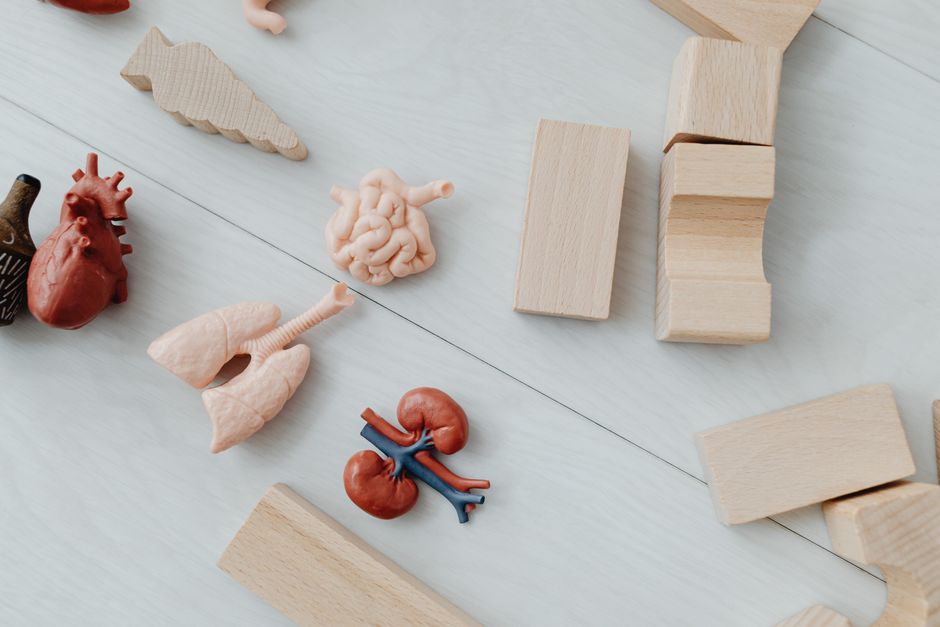
Drinking pop does not directly cause kidney stones in the way that, say, smoking causes lung cancer. There is no single ingredient in soda that guarantees a stone will form. But some sodas contain a compound that raises the risk of the most common type of kidney stone, and regular soda drinking can contribute to conditions that make stones more likely. The link is real but indirect, and it depends heavily on which pop you drink and how often.
Kidney stones are hard deposits that form in urine when certain dissolved minerals and salts become concentrated enough to crystallize. The most common type, by a wide margin, is calcium oxalate. Roughly four out of five kidney stones fall into this category. What you drink affects the concentration of those minerals, which is why beverages matter.
What in Pop Could Affect Kidney Stone Risk?
The ingredient that matters most is phosphoric acid. It gives colas their sharp, slightly tangy taste and acts as a preservative. Regular and diet colas both contain it. Most clear sodas, ginger ales, and fruit-flavored sodas do not.
Phosphoric acid appears to affect how the kidneys handle calcium. Some research suggests that high phosphate intake can increase calcium excretion in urine, and more calcium in urine is one of the conditions that allows calcium-based stones to form. This is not a proven cause-and-effect chain in humans at typical soda-drinking levels. The evidence is suggestive rather than settled.
There is a second mechanism that is better established. Colas and many other sodas are sweetened with high-fructose corn syrup or contain fructose in some form. Fructose metabolism in the body produces byproducts that can raise uric acid levels. Uric acid stones are less common than calcium oxalate stones, but they are real, and higher uric acid in urine raises the risk. Fructose also appears to increase calcium and oxalate excretion in urine in some studies.
One clarification worth making: the phosphoric acid concern applies mainly to colas. A lemon-lime soda or a root beer does not contain phosphoric acid, so the specific cola-related risk does not transfer to them. That does not make them health drinks, but it does mean “pop” is not one uniform category.
Does Pop Cause Kidney Stones More Than Other Drinks?
This is where the research gets interesting, and where a widely repeated claim needs correcting. Some studies have looked at beverage intake and kidney stone risk, and one finding that surfaces repeatedly is that certain beverages appear protective. Coffee, tea, beer, and wine have been associated with lower stone risk in observational studies. Cola consumption has been associated with higher risk in some of that same research.
Observational studies cannot prove cause. People who drink a lot of cola may differ in other ways from people who do not, and those differences could explain part of the association. Still, the direction of the finding has been consistent enough across studies that it is worth taking seriously.
What about water? Water is the one beverage with the strongest and most consistent evidence behind it. Higher fluid intake, especially water, reduces the concentration of stone-forming minerals in urine and is the foundation of stone prevention. This is not controversial. It is one of the most reliable findings in kidney stone research.
Here is a comparison of what is known about different beverage categories and stone risk:
- Water — Higher intake is consistently associated with lower stone risk. Strongest evidence of any beverage.
- Colas (regular and diet) — Associated with higher risk in some observational studies. Phosphoric acid is the leading suspect.
- Coffee and tea — Associated with lower risk in observational studies. The reason is not fully understood.
- Clear sodas — No phosphoric acid. Less studied, and the specific cola signal does not apply. They still contain sugar or sweeteners and offer no hydration advantage over water.
- Fruit juices — Mixed. Some, like grapefruit and apple juice, have been associated with higher risk in some studies. Orange juice appears neutral or possibly favorable in some research.
Notice that the cola finding is not the same as “pop causes stones.” It is a signal from observational data, not a demonstrated causal mechanism at typical consumption levels.
Who Needs to Pay More Attention to Soda and Stones?
People who have already had a kidney stone are in a different category from people who have never had one. Stone formers have a high rate of recurrence. For someone with a history of stones, the margin for error on diet and fluids is smaller, and the payoff from getting hydration right is larger.
Several other groups may want to be more careful:
- People with a history of calcium oxalate stones
- People with gout or high uric acid, given the fructose connection to uric acid
- People with reduced kidney function, who may handle phosphate differently
- People who drink several colas a day and drink little water
The last point is probably the most important. A person who drinks one cola a day and plenty of water is in a very different position from someone who drinks four colas a day and almost no water. Total fluid intake and urine volume matter more than any single beverage choice.
Does Diet Soda Cause Kidney Stones?
Diet colas contain phosphoric acid just like regular colas. The sugar is gone, but the acid is not. So the phosphoric acid concern does not disappear when you switch to diet. On that specific point, diet cola is not meaningfully different from regular cola.
What changes is the fructose load. Diet sodas are sweetened with artificial sweeteners rather than high-fructose corn syrup, so the fructose-related uric acid pathway does not apply to them. Whether that translates into meaningfully lower stone risk has not been clearly established in human studies.
The honest position: diet soda removes one of the two main mechanisms, but it does not remove the phosphoric acid. No large human trial has confirmed that switching from regular to diet cola reduces kidney stone risk. It is a reasonable guess, not a proven strategy.
What Actually Helps Prevent Kidney Stones?
The single most effective thing most people can do is drink more water. Higher urine volume dilutes the minerals that form stones. This is the intervention with the strongest evidence behind it, and it applies regardless of what else you drink.
Beyond water, several dietary patterns have reasonable evidence behind them:
- Get enough calcium from food. This surprises people. Low dietary calcium can actually increase oxalate absorption in the gut, which raises oxalate in urine and increases stone risk. Calcium from food, not supplements, appears protective.
- Limit sodium. High sodium intake increases calcium excretion in urine. This is well established.
- Limit high-oxalate foods in excess. Spinach, rhubarb, and some nuts are high in oxalate. This matters more for people who form oxalate stones.
- Eat enough fruits and vegetables. Potassium-rich foods appear to help reduce stone risk in some studies.
- Limit added sugar and fructose. This connects back to the soda point without making soda the villain.
For people with recurrent stones, a doctor may recommend specific testing and, in some cases, medication. That is a conversation for a clinician, not something to manage from dietary changes alone.
One non-obvious point: cutting calcium from your diet to prevent calcium stones is a common mistake. It can backfire. The evidence generally supports normal dietary calcium intake for most stone formers, with the caveat that individual cases vary and should be discussed with a doctor.
The Bottom Line on Pop and Kidney Stones
Pop is not a cause of kidney stones in any simple sense. Colas contain phosphoric acid and, if regular, fructose, both of which have plausible and partially supported links to stone risk. Observational studies have associated cola intake with higher stone risk. That is not the same as proof of causation.
If you drink a lot of cola and very little water, the combination is worth reconsidering. If you drink cola occasionally and stay well hydrated, the evidence does not support alarm. The most reliable lever you have is total fluid intake, especially water. That finding is far stronger than anything specific to soda.
Frequently Asked Questions
Does drinking pop cause kidney stones?
Pop does not directly cause kidney stones, but regular cola consumption has been associated with higher stone risk in some observational studies. The link is indirect and depends on how much you drink and what else you drink.
Is diet soda better for kidney stones than regular soda?
Diet cola removes the fructose but keeps the phosphoric acid, so the main cola-related concern remains. No large human trial has confirmed that switching to diet soda lowers kidney stone risk.
How much water should I drink to prevent kidney stones?
There is no single number that fits everyone, and guidelines vary by individual. The general goal clinicians use is enough fluid to produce pale, dilute urine throughout the day, which usually means more than the typical eight cups.
Can I still drink soda if I have had kidney stones?
Occasional soda is unlikely to be the deciding factor, but people with a stone history should prioritize water and discuss their overall diet with a doctor. Recurrence risk is high enough that individual guidance is worth getting.
