
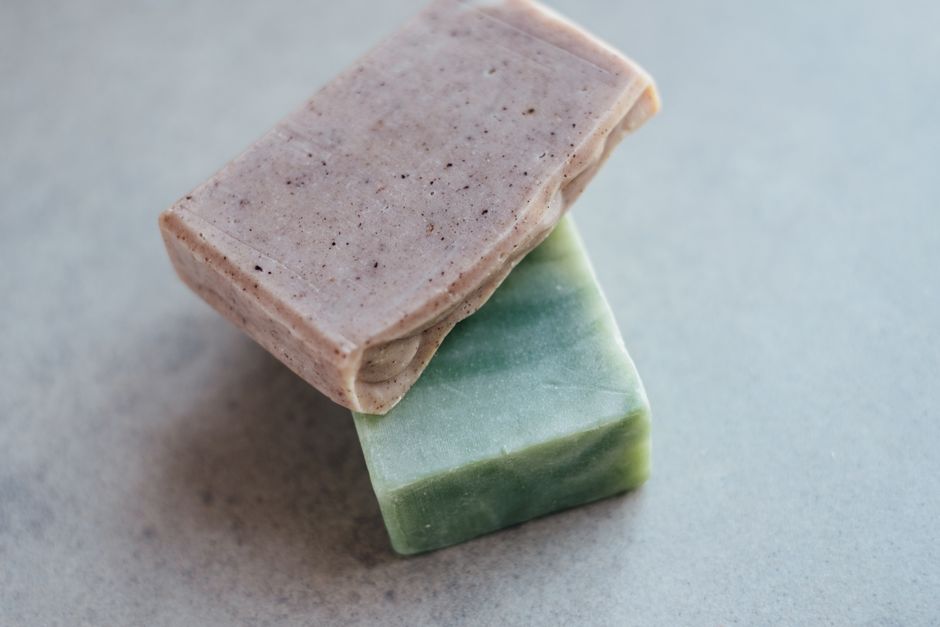
Poison ivy rash is caused by urushiol, an oily resin found in the sap of poison ivy, poison oak, and poison sumac. Soap can help — but only if it removes the urushiol from your skin before the oil binds to skin cells and triggers an immune reaction. Once that binding happens, no soap will stop the rash. The timing of when you wash matters far more than which soap you use.
What Does Poison Ivy Soap Actually Do?
Poison ivy soap is designed to remove urushiol oil from the surface of your skin. That is its only real job. It does not treat a rash that has already formed, and it does not cure anything.
The chemistry is straightforward. Urushiol is an oil. Soap molecules have one end that binds to oil and another that binds to water. When you wash with soap and water, the soap molecules surround the urushiol and lift it off your skin so it can be rinsed away. This is the same basic process that removes cooking oil or grease from your hands.
So in principle, any soap that effectively removes oil from skin can remove urushiol. The special “poison ivy soaps” sold in stores are not doing anything chemically unique. Many contain the same surfactants found in ordinary dish soap or hand soap.
What makes a difference is how thoroughly and how quickly you wash. A gentle soap with plenty of cool water and a good lather will remove more urushiol than a specialty product used poorly.
How Long Do You Have Before the Rash Starts?
The window for preventing a rash is short. Urushiol begins penetrating the outer layer of skin within minutes of contact. Research on urushiol chemistry indicates that washing within the first 10 to 15 minutes removes most of the oil and can prevent or significantly reduce a rash. After about 30 minutes, much of the urushiol has already bound to skin proteins, and washing is far less effective at preventing a reaction.
This is the part most people get wrong. They come in from gardening or hiking, notice they brushed against something, and figure they will shower later. By then, the window has closed.
If you know you touched poison ivy, wash immediately. Do not wait to see if a rash appears. Do not finish your yard work first. The clock starts the moment urushiol contacts your skin.
One important detail: urushiol does not spread through the fluid in blisters. The rash appears to spread because different areas of skin absorbed different amounts of oil at different times, or because urushiol lingered on clothing, tools, or pet fur and re-contacted skin later. This is why washing your gear matters as much as washing yourself.
Does Specialty Poison Ivy Soap Work Better Than Regular Soap?
There is no strong clinical evidence that specialty poison ivy soaps outperform plain soap and water for removing urushiol. Some products contain ingredients like bentonite clay or specific surfactants marketed as urushiol-binding agents, but the clinical research comparing these products head-to-head against ordinary soap is limited.
What the evidence does support is that thorough washing with soap and cool water is effective at removing urushiol from skin. Whether that soap comes from a specialty bottle or your kitchen dispenser appears to matter less than how soon and how well you wash.
Some clinicians recommend using a washcloth or soft cloth to help lift the oil, and washing under fingernails where urushiol can collect. Fingernails are easy to miss and can transfer oil to other parts of the body later.
There is one situation where specialty products may have a practical edge: convenience. If a dedicated poison ivy wipe or soap is what you actually have in your hiking pack or garden shed, you are more likely to use it immediately. A product you use within 10 minutes beats a better product you use two hours later.



What About Soaps That Claim to Treat the Rash?
No soap treats a poison ivy rash. Once the immune reaction has started, the rash is your body attacking its own skin cells that have been modified by urushiol. Soap cannot undo that process.
Products marketed as “poison ivy treatment soap” or “rash relief soap” are making claims that are not supported by clinical evidence. If a product label suggests it can stop an existing rash, that claim goes beyond what the science shows.
What actually helps an existing rash is different from what prevents one:
- Cool compresses can reduce itching and inflammation temporarily.
- Oral antihistamines may help with itching, though they do not affect the immune reaction itself.
- Topical corticosteroids are commonly used for mild cases, though evidence for over-the-counter strength products is modest.
- Prescription corticosteroids are used for moderate to severe cases and are effective at suppressing the immune response.
- Oral prednisone may be prescribed for widespread or facial involvement.
If the rash covers a large area, affects your face or genitals, or is accompanied by swelling that makes breathing difficult, seek medical care. Poison ivy dermatitis is rarely dangerous, but it can become serious in those situations.
How Should You Wash After Potential Exposure?
Wash as soon as possible with cool water and soap. Cool water is preferred over hot because hot water opens pores and may increase absorption of urushiol that has not yet been removed. Hot water can also worsen itching if a rash is already developing.
Use your hands or a soft cloth to lather gently. Rubbing hard can irritate skin and does not remove more urushiol. Rinse thoroughly. Repeat if you suspect heavy exposure.
Wash under your fingernails with a nail brush if you have one. Urushiol collects there and can cause a rash around the nail beds or spread to other body parts when you scratch.
Wash your clothing, tools, and anything else that may have touched the plant. Urushiol remains active on surfaces for a long time — potentially years on objects stored in dry conditions. It is not broken down by water alone. Clothing should be washed with detergent and hot water. Tools can be wiped down with alcohol or a degreaser.
If your pet was in the woods or yard, bathe them too. Urushiol can cling to fur and transfer to your skin when you pet them. Wear gloves while bathing them if you can.
Does Poison Ivy Soap Work The Science Explained — What the Evidence Shows
The science supports a clear conclusion: soap works for prevention when used early and thoroughly. It does not work as a treatment after the rash has started.
The active ingredient in poison ivy is urushiol, and urushiol is an oil. Soap removes oil. That is the entire mechanism. There is no need for a special product, though a special product used quickly is better than no washing at all.
The most important variable is time. Washing within 10 to 15 minutes of exposure can prevent a rash. Washing after 30 minutes is much less likely to help. Washing after the rash appears does nothing to stop it.
If you spend time in areas where poison ivy grows, the practical takeaway is to carry something you can wash with and use it immediately. A bottle of water and a small bar of soap in your pack or garden bucket will do more than any specialty product used too late.
Frequently Asked Questions
Does poison ivy soap work after the rash appears?
No. Once urushiol has bound to skin cells and triggered an immune reaction, soap cannot reverse that process. Washing after a rash develops may remove residual oil from your skin but will not treat the rash itself.
What is the best soap to remove poison ivy oil?
Any soap that effectively removes oil from skin can remove urushiol. There is no strong clinical evidence that specialty poison ivy soaps work better than plain soap and cool water when used properly.
How long after touching poison ivy can I wash it off?
Washing within 10 to 15 minutes of exposure removes most urushiol and can prevent or reduce a rash. After about 30 minutes, much of the oil has already bound to skin and washing is far less effective.
Can poison ivy spread to other people or other parts of my body?
Poison ivy rash is not contagious and does not spread through blister fluid. It appears to spread when urushiol on clothing, tools, or pet fur re-contacts skin, or when different areas absorbed oil at different times.
