
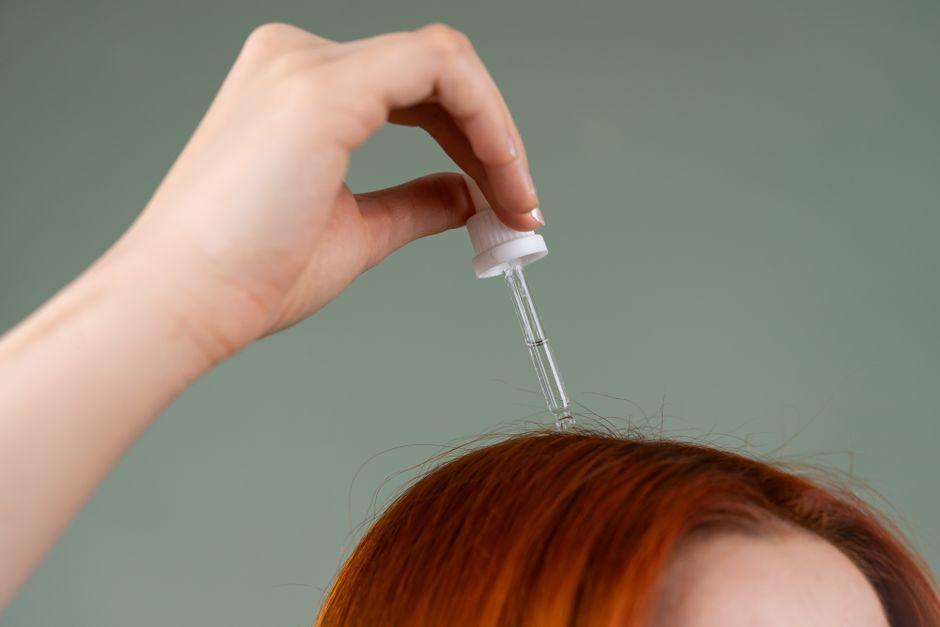
Plucking a hair does not make it grow back thicker or faster. It removes one hair from a follicle that was already there, and the new hair that eventually grows from that follicle is the same type of hair it was before. No amount of tweezing changes the number of follicles on your skin or turns fine hair into coarse hair.
The confusion comes from how hair feels and looks as it regrows. A short new hair has a blunt, flat tip instead of the natural tapered end of an uncut hair, so it can feel rougher. And because plucking pulls the hair out at the root, the next hair may appear all at once, which makes it seem like the area is suddenly producing more hair. Both effects are about appearance and texture, not about the follicle making thicker hair.
Does Plucking Hair Make It Grow More Or Thicker?
No. The size, color, and growth rate of a hair are set by the follicle it grows from, and plucking does not change that follicle’s basic output.
Hair follicles are tiny organs in the skin. Each one cycles through a growing phase, a short transition phase, and a resting phase before the hair sheds and the cycle starts again. When you pluck a hair, you are pulling the hair shaft out of a follicle that keeps working. The follicle is not damaged into producing a different kind of hair. It simply begins building the next hair.
One detail that surprises many people: you are born with essentially all the hair follicles you will ever have. The number does not increase with age. What changes over a lifetime is how many follicles are actively producing a visible hair, and how thick or thin that hair becomes. Plucking does not add follicles and does not switch a fine follicle into a thick one.
Why Does Regrowth Feel Coarser After Plucking?
A regrowing hair often feels stiffer and rougher, and that texture is the main reason the thicker-hair idea spreads.
An untouched hair tapers to a fine point at its tip. When a hair is plucked or cut, the new hair that emerges has a blunt, squared-off end. That blunt tip has more surface area and a harder edge, so it feels coarser against the skin and fingers. The hair itself is not thicker. It is the same diameter as before, just with a different tip.
There is also a timing effect. Plucking removes the hair from the follicle and resets that follicle’s cycle. When several hairs in the same area are plucked around the same time, their replacements can emerge around the same time too. A cluster of short new hairs appearing together can look denser than the longer, more staggered hairs that were there before.
Does Plucking Change the Hair Follicle Itself?
Plucking can affect a follicle, but not in the way most people assume. The realistic risk is damage over time, not fuller growth.
Repeated plucking can injure the follicle and the surrounding skin. Over months or years of consistent pulling, some follicles may become damaged enough to produce weaker hairs or stop producing visible hairs. This is why some people who tweeze their eyebrows for many years notice thinning or patchy regrowth, though this does not happen to everyone and the response varies.
The other common result is trauma to the skin, not the follicle’s hair output. Pulling hairs can irritate the follicle, cause redness, and sometimes lead to ingrown hairs when a new hair curls back into the skin instead of growing out. These are the real consequences of plucking. Thicker hair is not one of them.





Where Did the Thicker Hair Myth Come From?
The myth likely grew from a few real observations that got interpreted the wrong way.
The blunt-tip texture is the biggest contributor. People feel the rough regrowth and conclude the hair changed. Shaving produces the same blunt-tip effect, which is why the “shaving makes hair grow back thicker” idea is so widespread. Both shaving and plucking leave a hair with a flat end, and both get blamed for a change that is really about how the tip feels.
Another factor is normal hair growth over time. Hair on the legs, underarms, and face can become thicker or darker during puberty, pregnancy, and other hormonal shifts. If someone starts removing hair around the same time their natural hair pattern is changing, it is easy to link the two events even though one did not cause the other. Hormones, not plucking, drive those changes.
Is There Any Hair That Grows Back Differently?
For most body hair, plucking has no lasting effect on thickness. A few specific situations are worth knowing about.
- Eyebrows: Years of plucking can lead to thinning or permanent loss of hair in some people, because repeated trauma can damage the follicle.
- Hormonal hair growth: New thicker or darker hair on the face, chest, or abdomen is usually driven by hormones, not by hair removal. This pattern is worth discussing with a doctor.
- Ingrown hairs: Plucking can raise the risk of ingrown hairs, especially in areas with curly hair, which can cause bumps and irritation.
None of these involve plucking making hair grow back thicker. The changes come from follicle damage, hormones, or skin irritation.
How Does Plucking Compare to Other Hair Removal Methods?
Different methods affect the hair and follicle in different ways, and none of them make hair grow back thicker.
| Method | What It Does | Effect on Regrowth |
|---|---|---|
| Plucking / tweezing | Pulls the hair out at the root | Blunt-tip regrowth; no change in thickness |
| Shaving | Cuts hair at the skin surface | Blunt-tip regrowth; no change in thickness |
| Waxing | Pulls many hairs out at the root | Blunt-tip regrowth; no change in thickness |
| Laser / electrolysis | Targets the follicle to reduce growth | Can reduce or remove hair over time |
Only methods that damage or disable the follicle, such as laser treatment and electrolysis, can reduce hair growth. Plucking and waxing remove hair temporarily but leave the follicle able to produce a new hair. Shaving does the same. This is why none of these methods make hair thicker, and none of them make it permanently thinner either.
What Actually Makes Hair Grow Thicker?
Hair thickness is controlled by genetics and hormones, not by how you remove hair.
Genes set the basic pattern of your hair: how thick each strand is, how much you have, and where it grows. Hormones, particularly androgens, can change hair over time. This is why some people develop thicker or darker facial and body hair at certain life stages. Medications, thyroid conditions, and other medical issues can also affect hair growth and shedding.
If you notice a real change in your hair, such as sudden thickening in a new area, unusual shedding, or thinning, that is worth mentioning to a doctor. It usually points to something happening inside the body rather than to anything you did with tweezers.
Frequently Asked Questions
Does plucking hair make it grow back thicker?
No. Plucking removes a hair from a follicle that keeps producing the same type of hair, so regrowth is not thicker. It may feel coarser because the new hair has a blunt tip instead of a tapered end.
Why does hair feel thicker after plucking or shaving?
A plucked or cut hair regrows with a flat, blunt tip, which feels rougher than a natural tapered tip. The hair’s actual diameter does not change.
Can plucking damage hair follicles permanently?
Repeated plucking can damage follicles over time, and in some people this leads to thinner or patchy hair growth, especially on the eyebrows. This does not happen to everyone and varies from person to person.
Does plucking cause more hairs to grow in the same spot?
No. Plucking does not create new follicles and does not increase the number of hairs. When several plucked hairs regrow around the same time, the area can look denser than before.
