
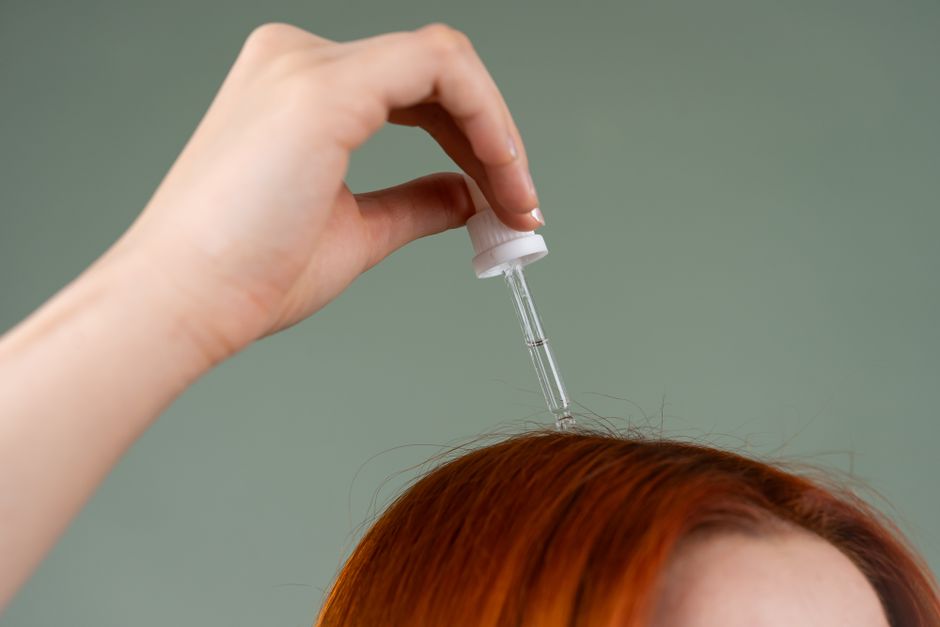
Yes, playing with your hair counts as stimming. Stimming, short for self-stimulatory behavior, includes any repetitive movement, sound, or action that helps a person regulate their sensory input, emotions, or focus. Twirling, pulling, or stroking your hair fits this definition directly. It is a common behavior for many people, not just those with autism or ADHD, and it serves a real purpose for the nervous system.
What Exactly Counts as Stimming?
Stimming is a broad term. It covers everything from hand-flapping and rocking to nail-biting, foot-tapping, and humming. The key feature is repetition. The behavior is repeated in a similar way over time, and it often feels automatic or soothing.
Hair playing fits this pattern. Twirling a strand around your finger, pulling it gently, or stroking it repeatedly are all repetitive actions. When someone does these things to self-soothe, focus, or release nervous energy, it is stimming by definition.
Not all repetitive behavior is stimming, though. A tic is different. Tics are sudden, rapid, and often involuntary movements or sounds. Stimming is usually more intentional, even if the person is not fully aware they are doing it. Hair playing is almost always considered stimming rather than a tic.
Why Do People Play With Their Hair?
Hair playing serves several functions for the nervous system. The most common reason is sensory regulation. The scalp is highly sensitive, and the texture of hair provides strong tactile input. That input can be calming or alerting, depending on what the person needs at that moment.
For many people, hair twirling is a focusing behavior. Think about a student twirling their hair while reading or someone doing it during a phone call. The repetitive motion may help the brain filter out distracting background noise. This is called a motor-focusing behavior, and it is a well-recognized phenomenon.
Emotional regulation is another major driver. People often play with their hair when they feel anxious, bored, tired, or overstimulated. The behavior provides a predictable, repetitive sensation that can lower stress. This is the same reason some people bounce their legs or chew on pens.
Is Hair Stimming Only Related to Autism or ADHD?
No. Stimming is a human behavior, not a diagnostic symptom that only appears in certain conditions. Everyone stims to some degree. Tapping a pencil, biting your lip, or twirling your hair are all forms of it.
What differs for autistic people and some people with ADHD is the intensity and frequency. Autistic individuals may stim more often and rely on it more heavily to manage sensory overload or emotional distress. For them, stimming is often a necessary coping tool rather than a casual habit.
In the general population, hair playing is extremely common. Many people do it without ever thinking about it. It is only when the behavior becomes harmful — such as pulling hair out — that it crosses into a clinical concern.




When Does Hair Playing Become a Problem?
Hair playing becomes a problem when it causes damage or distress. The main concern is trichotillomania, a condition where a person repeatedly pulls out their own hair. This goes beyond gentle twirling or stroking.
Trichotillomania is classified as a body-focused repetitive behavior. It is not the same as casual hair stimming. People with this condition often feel a strong urge to pull, followed by tension relief afterward. They may develop bald patches, and the behavior can be very hard to stop without help.
That said, not everyone who plays with their hair is at risk for trichotillomania. Gentle twirling that does not cause hair loss is generally harmless. The line is crossed when pulling becomes routine, when it causes noticeable hair thinning, or when the person cannot stop despite wanting to.
Should You Stop Someone From Hair Stimming?
In most cases, no. If the behavior is harmless and the person is not hurting themselves, there is no medical reason to stop it. Stimming serves an important regulatory function. Interrupting it can actually increase anxiety or make it harder for the person to concentrate.
This is especially relevant for autistic people. Forcing someone to stop stimming can cause significant distress. Many autistic advocates describe stimming as essential to their well-being. The current clinical consensus supports allowing safe stimming rather than suppressing it.
The only reason to address hair playing is if it becomes destructive. If a child is pulling out chunks of hair, or if an adult is experiencing hair loss from the habit, that warrants professional attention. A doctor or mental health professional can assess whether the behavior is a body-focused repetitive disorder or a sign of another issue.
Can You Redirect Hair Stimming to Something Safer?
Yes, redirection is possible without eliminating the need to stim. The goal is not to stop the behavior but to replace it with something that does not cause harm. This approach is often used when hair pulling is the issue.
For people who pull, some clinicians recommend using a fidget tool that provides similar sensory input. Smooth stones, textured putty, or fabric with different weaves can offer tactile stimulation without damaging the hair. Some people wear a hat or headband to create a physical barrier while they work on the habit.
For gentle twirlers who want to reduce the behavior for social reasons, keeping hair tied back or braided can help. Short nails also make twirling less satisfying. These are practical adjustments, not treatments. The underlying sensory need remains, and that is fine.
What Does the Research Say About Hair Stimming?
Research on stimming in general is well established. Studies consistently show that repetitive behaviors serve regulatory functions in both autistic and non-autistic populations. The scientific literature supports the idea that stimming helps people manage sensory input and emotional states.
Specific research on hair twirling as a standalone behavior is more limited. Most clinical attention focuses on trichotillomania rather than casual hair playing. That distinction matters. The evidence base for trichotillomania is substantial, and treatment approaches such as habit reversal training have been studied in clinical trials.
For non-destructive hair playing, no clinical trials are needed because there is no disorder to treat. The behavior falls within normal human variation. If it is not causing harm, it does not require intervention.
Does Playing With Your Hair Count As Stimming in Children?
Yes, and it is very common in children. Toddlers and young children often twirl hair while falling asleep or during quiet activities. This is a normal self-soothing behavior. Many children grow out of it or continue it privately into adulthood.
Parents sometimes worry that hair twirling signals a developmental issue. In most cases it does not. The behavior is only a concern if it interferes with daily life, causes physical harm, or appears alongside other developmental delays that warrant evaluation.
If a child’s hair playing is gentle and occasional, the best approach is to leave it alone. If it becomes frequent enough to cause tangling or hair loss, parents can gently redirect the child to a different sensory activity. A pediatrician can help if the behavior is hard to manage or if there are other concerns.
Frequently Asked Questions
Is hair twirling a form of stimming?
Yes, hair twirling is a form of stimming. It is a repetitive behavior that provides sensory input and helps with focus or emotional regulation.
Can you stim without being autistic?
Yes, everyone stims to some degree. Tapping your foot, biting your lip, or twirling your hair are all common stimming behaviors in the general population.
What is the difference between stimming and a tic?
Stimming is usually a deliberate or habitual action that feels soothing or focusing, while a tic is a sudden, involuntary movement or sound. Tics are also more rapid and less controllable than typical stimming.
When should I worry about hair playing?
Worry when the behavior causes visible hair loss, when the person pulls hair out rather than just twirling it, or when they cannot stop despite wanting to. These signs warrant a medical evaluation.
