
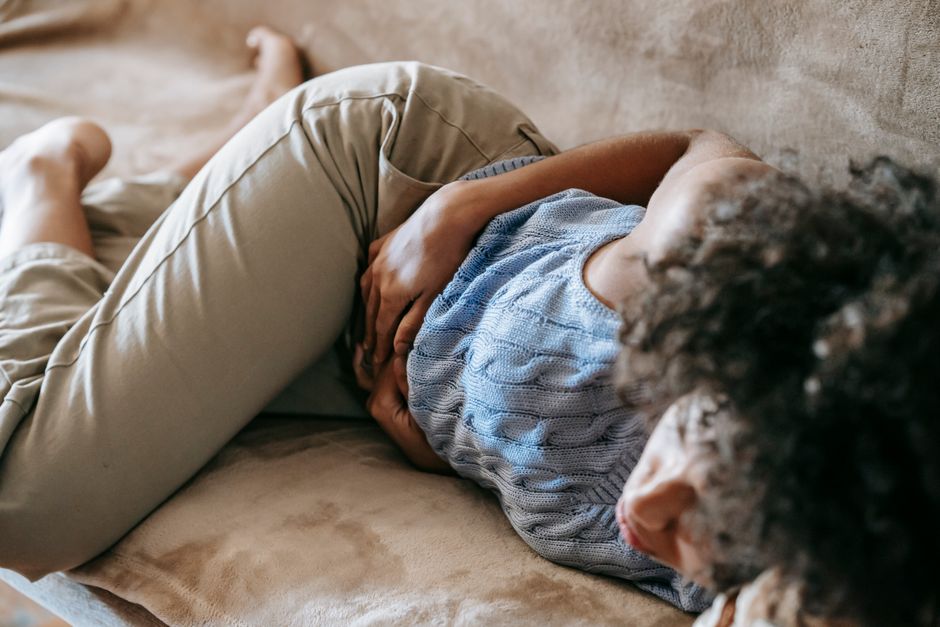
Plan B — levonorgestrel emergency contraception — can cause cramping, and it’s one of the most commonly reported side effects. In clinical trials and post-marketing data, a meaningful share of users report pelvic pain or lower abdominal cramps after taking it. The cramping is usually mild, starts within a day or two, and settles on its own. It does not mean the pill failed, and it does not mean you’re pregnant.
Does Plan B Cause Cramps?
Yes. Cramps are a recognized side effect of levonorgestrel emergency contraception, and they show up consistently in the data.
Plan B is a single 1.5 mg dose of levonorgestrel, a synthetic progestin. It works mainly by delaying or preventing ovulation. That shift in hormone timing is what produces the cramping for many users. The uterine lining and the muscles of the uterus respond to changing progesterone levels, and that response can feel like menstrual cramps.
How common is it? In the clinical trials that supported FDA approval, abdominal pain was reported by a notable percentage of participants — enough that it appears on the official label as a known adverse reaction. The exact percentage varies by study and by how “cramping” was defined. Some trials asked about “abdominal pain” broadly, which can include gastrointestinal discomfort, not just uterine cramping. That distinction matters when you’re trying to figure out what you’re feeling.
What the evidence does not show is any link between cramping and reduced effectiveness. Feeling cramps does not mean the pill worked. Not feeling cramps does not mean it failed. The two things are independent.
What Do Plan B Cramps Actually Feel Like?
Most people describe them as similar to menstrual cramps — a dull ache or a tightening sensation low in the abdomen, sometimes radiating to the lower back.
The intensity varies widely. Some users feel nothing at all. Others describe mild pressure that lasts a few hours. A smaller group reports cramps strong enough to reach for a heating pad or an over-the-counter pain reliever.
Timing also varies. Cramps can start within a few hours of taking the pill or show up a day or two later. They usually resolve within a few days. If cramping persists beyond about a week, or if it’s severe enough to interfere with normal activity, that’s worth a conversation with a healthcare provider — not because it’s necessarily dangerous, but because persistent or severe pelvic pain has other possible causes that deserve evaluation.
One thing people often confuse: cramps after Plan B are not the same as withdrawal bleeding or a period. Those are separate events with separate timing. Cramping can happen with or without bleeding.
Why Does Plan B Cause Cramping?
The mechanism is hormonal, and it’s fairly well understood.
Levonorgestrel is a progestin — it mimics progesterone, the hormone that dominates the second half of the menstrual cycle. When you take a large dose of it at once, you’re essentially creating a sudden hormonal shift. The uterus responds to progesterone changes with contractions and changes in blood flow to the lining. That’s the cramping.
The same dose also affects the lining of the uterus directly. Progestins can cause the endometrial lining to thin or change in texture, and that change can trigger cramping as the body adjusts.
There’s also a gastrointestinal angle. Progestins can slow gut motility in some people, which produces a different kind of abdominal discomfort — bloating, pressure, general queasiness. Many people lump this in with “cramps,” but it’s a separate effect. If your discomfort feels more like gas or bloating than like menstrual cramping, that’s likely what’s happening.
This is not a sign that something is wrong. It’s a predictable response to a large, single dose of a hormone your body already produces in smaller amounts.




How Do Plan B Cramps Compare to Other Emergency Contraception?
There are two main types of emergency contraception pills available in the US, and they don’t cause identical side effects.
| Type | Active ingredient | Cramping reported? | Notes |
|---|---|---|---|
| Levonorgestrel (Plan B, others) | Levonorgestrel 1.5 mg | Yes — commonly reported | Available OTC without age restriction |
| Ulipristal acetate (ella) | Ulipristal acetate 30 mg | Yes — also reported | Prescription only; may be more effective for higher BMI |
| Copper IUD | Copper | Yes — often more intense | Most effective form; requires insertion by a clinician |
Ulipristal acetate works through a slightly different mechanism — it’s a selective progesterone receptor modulator, which means it blocks progesterone rather than mimicking it. Cramping is still reported with it, but the hormonal profile is different. The copper IUD works by creating a local inflammatory response in the uterus, and cramping after insertion is common and often more noticeable than pill-related cramping.
If you’ve taken Plan B before and had significant cramping, that doesn’t necessarily predict how you’ll respond to a different method. And none of these methods is more or less effective based on whether you cramp.
When Should You Worry About Cramps After Plan B?
Mild to moderate cramping that resolves within a few days is expected. Certain situations warrant medical attention.
- Severe pain that doesn’t improve with rest or over-the-counter pain relief
- Cramping that lasts more than a week
- Pain accompanied by fever, unusual discharge, or fainting
- Shoulder pain or pain that radiates to the tip of the shoulder — this can be a sign of a rare but serious condition called ectopic pregnancy
- Heavy vaginal bleeding that soaks through a pad in an hour or less
Ectopic pregnancy is the main concern. Plan B does not cause ectopic pregnancy, but it also does not prevent one if fertilization has already occurred and the fertilized egg implants outside the uterus. The risk of ectopic pregnancy after emergency contraception is low, but it’s not zero, and the symptoms can overlap with normal cramping. That’s why severe or unusual pain deserves a real evaluation, not a wait-and-see approach.
If you’re unsure whether what you’re feeling is normal, call your healthcare provider or a nurse line. There’s no downside to asking.
Does Cramping Mean Plan B Didn’t Work?
No. Cramping has no bearing on whether Plan B prevented pregnancy.
Plan B works primarily by delaying ovulation. If you haven’t ovulated yet, it can push ovulation back by several days, long enough for sperm to die off before an egg is released. If ovulation has already happened, Plan B is much less effective — but that’s about timing, not about whether you felt cramps.
Effectiveness depends on when in your cycle you took it. Taking it within 72 hours of unprotected sex is the standard window, and it’s most effective the sooner it’s taken. The label says up to 72 hours, but some research suggests it retains some effectiveness up to 120 hours, though with declining benefit. If you’re past 72 hours, ella or a copper IUD may be better options — but that’s a conversation with a provider, not something to self-assess.
What you should watch for is your next period. If it’s more than a week late, take a pregnancy test. That’s the reliable signal, not cramps.
Can You Treat Plan B Cramps?
Yes. Standard menstrual cramp remedies work for most people.
Over-the-counter NSAIDs like ibuprofen or naproxen can reduce cramping. A heating pad, rest, and hydration help. These are general measures for pelvic cramping, not specific to Plan B, but they apply here.
One caution: if you’re taking Plan B because of unprotected sex and you’re already pregnant, NSAIDs are generally not recommended, especially in later pregnancy. If there’s any chance you’re already pregnant, check with a provider before taking pain relievers.
If cramping is severe enough that standard measures don’t touch it, that’s a reason to seek care, not a reason to take more medication.
What Else Can Cause Cramping After Plan B?
Cramping after Plan B isn’t always from the Plan B.
Ovulation itself can cause mittelschmerz — a one-sided twinge or ache that happens mid-cycle. If you took Plan B around the time you would have ovulated, that discomfort might be ovulation pain, not a drug side effect.
Implantation bleeding and cramping can occur if pregnancy has already begun. Early pregnancy symptoms can overlap significantly with Plan B side effects, which is why the timing of your next period matters more than any single symptom.
Gastrointestinal issues — gas, constipation, indigestion — can produce lower abdominal discomfort that feels like cramping. Plan B can slow digestion in some people, which makes this more likely.
And sometimes it’s just a coincidence. Cramps happen for many reasons. Taking a pill doesn’t mean the pill caused everything you feel afterward.
Frequently Asked Questions
How long do cramps last after taking Plan B?
Most cramping resolves within a few days. If it lasts longer than a week or gets worse, see a healthcare provider.
Is it normal to have no cramps after Plan B?
Yes. Many people feel nothing at all, and that has no effect on whether the pill worked.
Can Plan B cause cramps if you’re already pregnant?
Plan B is not effective once implantation has occurred, and it does not end an existing pregnancy. Cramping in that situation could be unrelated or could signal something that needs evaluation.
Should I take a pregnancy test if I had cramps after Plan B?
Take a test if your next period is more than a week late, regardless of whether you had cramps. Cramping alone is not a reliable sign of pregnancy or of Plan B failure.
