
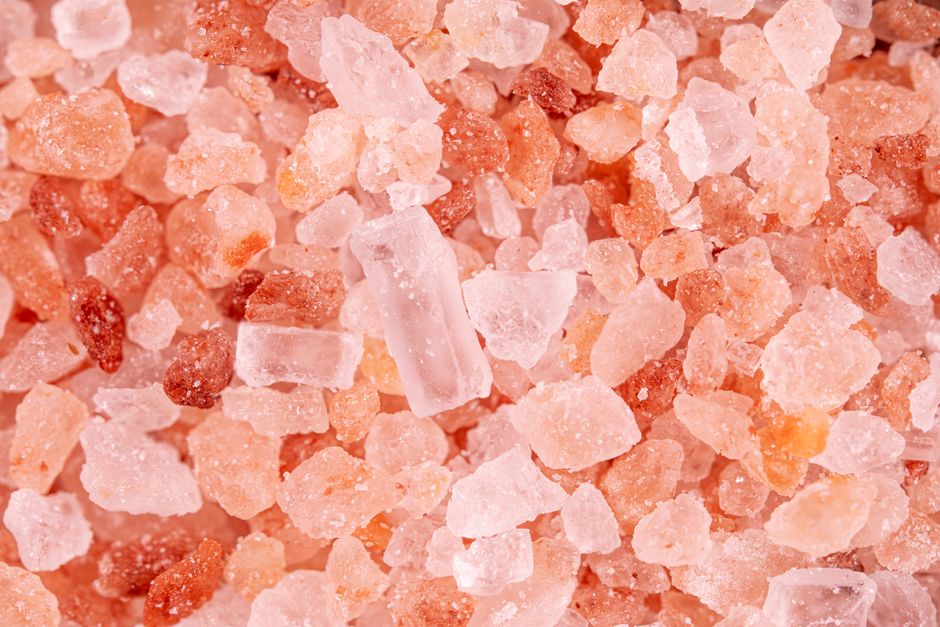
Pink salt contains almost no iodine. Himalayan pink salt, the most common variety, typically provides only trace amounts — far too little to meet your body’s needs. If you rely on pink salt as your only source of iodine, you are likely not getting enough of this essential mineral.
That matters because iodine is not optional. Your thyroid needs it to make hormones that control metabolism, growth, and brain development. Most people get their iodine from iodized table salt, seafood, dairy, and eggs. Switching to pink salt removes one of the biggest sources from your diet.
Does Pink Salt Have Iodine?
Pink salt is not a meaningful source of iodine. The pink color comes from trace amounts of iron oxide and other minerals, not iodine. The mineral content that gives these salts their color and reputation is present in very small quantities.
Himalayan pink salt is mined from ancient seabeds in Pakistan. It contains dozens of trace minerals, but almost all of them exist at levels too low to affect your health. Iodine is one of them.
Here is the key distinction. Iodized salt is regular table salt with iodine added on purpose, usually as potassium iodide. Pink salt is not iodized. No one adds iodine to it. What little iodine it contains occurs naturally, and that amount varies by source and is not enough to count on.
The word “salt” covers many products. Only salt that has been iodized delivers a reliable amount of iodine. Pink salt, sea salt, and kosher salt are generally not iodized unless the label says so.
How Much Iodine Do You Actually Need?
Adults need about 150 micrograms of iodine per day. That figure comes from established dietary reference intakes used in the United States and internationally. Pregnant women need more, around 220 micrograms daily, and breastfeeding women need about 290 micrograms.
To put that in perspective, a single teaspoon of iodized table salt contains roughly 250 to 400 micrograms of iodine, depending on the brand. That one teaspoon can cover your daily need. Pink salt at the same amount would supply only a tiny fraction of that.
Iodine deficiency remains a real concern worldwide. It is the leading preventable cause of intellectual disability in children, according to the World Health Organization. Iodization of salt is one of the most successful public health measures ever introduced, and it exists precisely because natural salt does not reliably supply enough iodine.
In the US, most iodine in the food supply comes from iodized salt, dairy products, seafood, and eggs. Some breads also contain iodine from dough conditioners. People who avoid all of these sources, or who switch entirely to non-iodized salts like pink salt, can fall short.
Why Do People Think Pink Salt Is Healthier?
Marketing drives most of this belief. Pink salt is often sold as “mineral-rich” or “more natural” than table salt. Those claims are technically true in a narrow sense and misleading in practice.
Yes, pink salt contains trace minerals. So does table salt, and so does your food. The amounts in pink salt are so small that they have no measurable effect on your health. You would need to eat an unreasonable amount of salt to get meaningful minerals from it — and that much sodium would cause its own problems.
The “natural” framing also misleads. Iodine added to table salt is not a contaminant. It is a public health measure that prevents a serious deficiency. Choosing pink salt for its perceived purity can actually remove a nutrient your body depends on.
Some pink salt products are sold with claims about hydration, pH balance, or detoxification. No clinical evidence supports these claims. Salt is sodium chloride regardless of its color, and your body regulates pH and fluid balance on its own through the kidneys.
Pink Salt vs Iodized Salt: How They Compare
The differences that matter are iodine content and consistency. Iodized salt is designed to deliver a predictable amount of iodine. Pink salt is not.
| Feature | Iodized Table Salt | Pink Himalayan Salt |
|---|---|---|
| Iodine added | Yes, usually potassium iodide | No |
| Iodine per teaspoon | Roughly 250–400 mcg | Trace amounts, not reliable |
| Main mineral | Sodium chloride | Sodium chloride |
| Trace minerals | Present in small amounts | Present in small amounts |
| Color | White | Pink from iron oxide traces |
| Reliable iodine source | Yes | No |
Both salts are sodium chloride. Both raise blood pressure if eaten in excess. The main practical difference for most people is iodine.
Can You Get Enough Iodine Without Iodized Salt?
Yes, but it takes attention. Iodine occurs naturally in seafood, seaweed, dairy products, and eggs. Some foods, like certain breads, contain iodine from processing. If your diet regularly includes these, you may meet your needs without iodized salt.
Seaweed is a special case. Some types, particularly kelp, contain very high iodine levels — sometimes far more than the daily requirement in a single serving. That is not necessarily good. Excess iodine can disrupt thyroid function in some people, so seaweed is not a food to overdo.
For most households, the simplest approach is to keep some iodized salt in the kitchen for cooking and use pink salt for finishing or presentation if you like the look and texture. That way you get iodine without giving up the pink salt you enjoy.
If you have a thyroid condition, are pregnant, or are breastfeeding, talk to your doctor about your iodine intake. These groups have specific needs, and self-managing iodine levels without guidance can backfire.
Who Should Pay Attention to Iodine Intake?
Several groups are more vulnerable to low iodine. Pregnant and breastfeeding women have higher needs because the fetus and infant depend on the mother’s iodine for brain development. Severe deficiency during pregnancy can cause lasting cognitive problems in the child.
People who follow restrictive diets are also at risk. That includes those who avoid dairy, seafood, and eggs, and those who use only non-iodized salt. Vegans and vegetarians may need to plan iodine sources deliberately, though the evidence on how much this matters varies by diet and location.
People with thyroid disease fall into a separate category. Both too little and too much iodine can affect thyroid function, and the right intake depends on the specific condition. This is a case where clinical guidance matters more than general advice.
Iodine deficiency is not common in the US overall, largely because of iodized salt and food supply fortification. But it has not disappeared, and it can occur in people who avoid the main dietary sources. The CDC has monitored iodine status in the population for decades, and while deficiency is not widespread, certain subgroups can fall short.
What About Sea Salt and Kosher Salt?
Most sea salt and kosher salt are not iodized either. Sea salt contains whatever minerals were in the water it came from, which usually includes only trace iodine. Kosher salt is typically not iodized unless the package says so.
The label is the reliable guide. If a salt package does not say “iodized,” assume it is not a dependable iodine source. This applies to pink salt, sea salt, kosher salt, and specialty finishing salts.
Some countries iodize all table salt by law, so the picture can differ depending on where a product is made. In the US, iodization is voluntary, which is why reading the label matters.
The Bottom Line on Pink Salt and Iodine
Pink salt does not provide meaningful iodine. It is a fine product for flavor and appearance, but it is not a substitute for iodized salt when it comes to this nutrient. If iodine intake matters to you — and it matters for everyone, especially pregnant women and people with thyroid conditions — keep an iodized salt in your diet or get iodine from food sources like seafood, dairy, and eggs.
Pink salt is not harmful. It is simply not the health upgrade it is often marketed as. The mineral content that makes it pink is real but too small to matter. The iodine it lacks is the part that actually counts.
Frequently Asked Questions
Does pink salt have iodine in it?
Pink salt contains only trace amounts of iodine, far too little to meet daily needs. It is not iodized, so it is not a reliable iodine source.
Is Himalayan pink salt a good source of iodine?
No. Himalayan pink salt is not iodized and provides negligible iodine, so it cannot replace iodized salt as a source of this nutrient.
How much iodine is in a teaspoon of pink salt?
The amount is not standardized and is very low compared with iodized salt, which provides roughly 250 to 400 micrograms per teaspoon. Pink salt supplies only a small fraction of that.
Can I get iodine from pink salt if I don’t eat seafood or dairy?
No, pink salt will not cover your iodine needs if you avoid other sources. People on restricted diets should plan iodine intake with a doctor or dietitian.
