
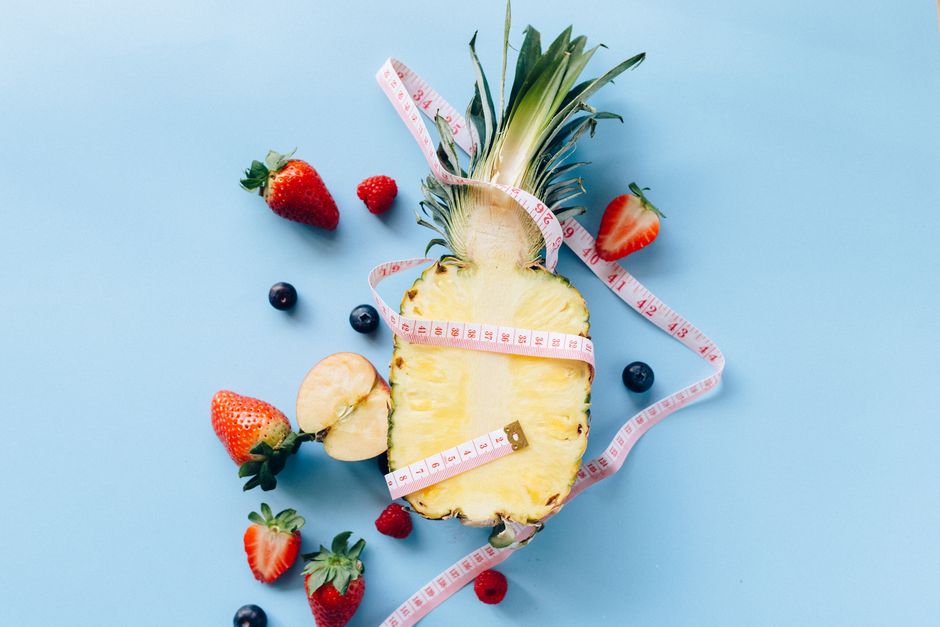
Pineapple is a sweet, tropical fruit that many people wonder about when trying to lose weight. The short answer is that pineapple can be part of a weight loss plan, but it is not a magic fat burner. No food burns fat on its own. Pineapple can help because it is low in calories, high in water, and contains fiber that supports fullness. Eating it in place of processed sweets can reduce your total calorie intake, which is what actually drives weight loss.
Does Pineapple Help U Lose Weight?
Pineapple can help you lose weight, but only in the context of an overall calorie deficit. Weight loss happens when you consistently burn more calories than you eat. Pineapple fits into that equation because a one-cup serving of fresh pineapple chunks contains roughly 80 calories. That is similar to many other fruits and much lower than a typical serving of cookies, cake, or candy.
The fruit is mostly water, which adds volume without many calories. That water content helps you feel full on fewer calories. The fiber in pineapple, about 2 to 3 grams per cup, also slows digestion and supports satiety. These properties make pineapple a smart swap for higher-calorie snacks, but they do not make it a fat burner.
What Are the Actual Calories and Sugar in Pineapple?
Fresh pineapple contains natural sugar. A one-cup serving has about 16 grams of sugar. That sounds like a lot, but it comes packaged with water, fiber, and nutrients. The sugar in whole fruit does not affect your body the same way added sugar does because the fiber slows absorption.
Dried pineapple and canned pineapple are different. Dried pineapple is much higher in calories per serving because the water is removed, concentrating the sugar. Canned pineapple often comes in heavy syrup, which adds significant sugar and calories. If you are watching your weight, choose fresh pineapple or canned pineapple packed in its own juice with no added sugar.
The glycemic index of pineapple is moderate, meaning it can raise blood sugar fairly quickly compared to some other fruits. That does not make it off-limits for weight loss, but it is worth paying attention to portion size, especially if you have diabetes or insulin resistance.
Does Bromelain in Pineapple Burn Fat?
Bromelain is an enzyme found in pineapple stems and fruit. It breaks down protein, which is why pineapple can tenderize meat. Some marketing claims suggest bromelain helps burn fat or speed up metabolism. The evidence does not support this.
Bromelain has been studied for its anti-inflammatory properties and its effects on digestion. Some research suggests it may help with muscle soreness or joint pain. But no clinical study has shown that bromelain directly burns fat or causes meaningful weight loss. The enzyme is broken down in your digestive tract, and it does not travel to fat cells to break them down.
If you enjoy pineapple, eat it. But do not eat more of it expecting bromelain to melt fat. That is not how it works.




Can Pineapple Help Control Cravings?
Pineapple is sweet, which can help satisfy a sugar craving with far fewer calories than a candy bar or pastry. One cup of pineapple has about 80 calories. A typical chocolate bar has 200 to 300 calories. If you swap the candy for pineapple, you cut calories without feeling deprived.
The fiber and water in pineapple also promote fullness. Feeling full between meals makes it easier to avoid snacking on high-calorie foods. Some people find that starting a meal with fruit reduces how much they eat overall, though individual results vary.
One caution: some people find that eating sweet foods, even fruit, triggers more cravings for sweets. If that happens for you, you may do better eating pineapple as a dessert after a savory meal rather than as a standalone snack.
How Should You Eat Pineapple for Weight Loss?
Portion control matters. A reasonable serving is one cup of fresh pineapple chunks. That gives you the sweetness and nutrition without turning a healthy snack into a sugar overload.
Here are some practical ways to include pineapple in a weight loss plan:
- Add fresh pineapple chunks to plain Greek yogurt for a high-protein breakfast or snack.
- Use grilled pineapple as a topping for lean pork or chicken.
- Blend frozen pineapple into a smoothie with spinach and unsweetened almond milk.
- Keep pre-cut pineapple in the fridge for an easy grab-and-go snack.
- Choose fresh or unsweetened canned pineapple over dried or syrup-packed versions.
Avoid pineapple juice. Juicing removes the fiber and leaves mostly sugar and water. A glass of pineapple juice has more calories and sugar than a serving of whole fruit, and it does not fill you up the same way.
What Does the Research Actually Say About Fruit and Weight Loss?
Research consistently shows that higher fruit intake is associated with lower body weight and less weight gain over time. A large body of observational studies links fruit consumption to better weight management. The fiber, water, and nutrient density of fruit are likely reasons for this association.
That said, no fruit is uniquely fat-burning. Apples, berries, oranges, and pineapple all have similar roles in a weight loss diet. The best fruit for you is the one you will actually eat regularly. Variety is also helpful because different fruits provide different vitamins and antioxidants.
Some research suggests that whole fruit is more filling than fruit juice or smoothies. Chewing activates satiety signals in the body. When you drink calories instead of eating them, you tend to feel less full and may eat more later. This is another reason to choose whole pineapple over juice.
Are There Any Downsides to Eating Pineapple?
Pineapple is safe for most people, but there are a few things to know. The fruit is acidic, and eating a lot of it can irritate your mouth or the lining of your stomach. Some people notice a tingling or burning sensation on their lips or tongue after eating fresh pineapple. This is caused by bromelain and the natural acids in the fruit.
If you have a pineapple allergy, you should avoid it entirely. Symptoms can include itching, swelling, or hives. In rare cases, a severe allergic reaction called anaphylaxis can occur. If you have ever had a reaction to pineapple, do not eat it.
People with kidney disease may need to limit pineapple because it is relatively high in potassium. If you have chronic kidney disease, talk to your doctor about whether pineapple fits into your diet.
Eating very large amounts of pineapple in one sitting could cause digestive discomfort, including diarrhea. This is more likely with pineapple core or stems, which contain more bromelain. Stick to reasonable portions.
What Is the Bottom Line on Pineapple and Weight Loss?
Pineapple is a healthy fruit that can be part of a weight loss diet. It is low in calories, high in water, and contains fiber that supports fullness. Swapping pineapple for higher-calorie sweets can help you reduce total calorie intake, which is what drives weight loss.
Pineapple is not a fat burner. No food is. Bromelain does not melt fat, and pineapple does not speed up your metabolism in any meaningful way. The weight loss benefit comes entirely from how it fits into your overall eating pattern.
Eat pineapple if you enjoy it. Pair it with protein or fiber to make it more filling. Watch your portions, choose fresh over dried or syrup-packed versions, and skip the juice. Most importantly, focus on your overall diet quality and calorie balance. That is what determines whether you lose weight, regardless of which fruits you include.
Frequently Asked Questions
Can eating pineapple at night cause weight gain?
No, eating pineapple at night does not cause weight gain. Weight gain comes from eating more calories than you burn over time, not from the time of day you eat.
How much pineapple can I eat per day for weight loss?
One cup of fresh pineapple chunks is a reasonable daily serving. That provides about 80 calories and 2 to 3 grams of fiber without excessive sugar.
Is canned pineapple as good as fresh for weight loss?
Fresh pineapple is better because canned versions often contain added syrup. If you buy canned, choose pineapple packed in its own juice with no added sugar.
Does pineapple juice help you lose belly fat?
No, pineapple juice does not target belly fat. Juice removes the fiber and concentrates the sugar, making it less filling than whole fruit and no better for weight loss than any other juice.
