
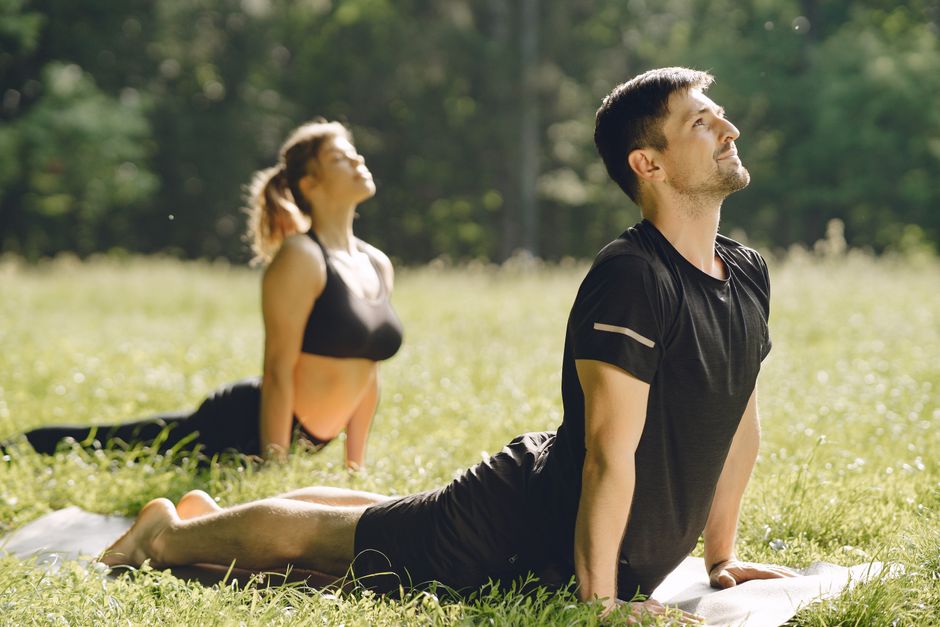
Yes, physical activity can help with anxiety. The evidence for this is strong and consistent across many studies. Exercise appears to reduce anxiety symptoms in both the short term and over time, and it is one of the most reliable non-drug approaches researchers have studied.
That does not mean a walk replaces treatment for an anxiety disorder. But for many people, movement is a genuinely useful part of managing anxiety — and the reasons why are well understood.
Does Physical Activity Help Anxiety?
Research consistently shows that people who are physically active tend to report lower levels of anxiety than people who are sedentary. This holds across age groups and in both healthy adults and people with diagnosed anxiety disorders.
When scientists study this directly, they usually find that a single session of moderate exercise can reduce anxious feelings for a period afterward. Regular activity over weeks and months is linked to lower baseline anxiety.
One important clarification: most of this research measures average effects across groups. Individual responses vary widely. Some people notice a clear difference. Others notice very little. That variation is real and does not mean you are doing something wrong.
The overall direction of the evidence is strong enough that major health organizations list physical activity as a recommended part of mental health care. What is less clear is the exact “dose” that works best, and whether exercise works as well as therapy or medication for clinical anxiety disorders. On that comparison, the evidence is still developing.
How Does Exercise Reduce Anxiety?
Several well-established biological processes are involved. None of them fully explains the effect on their own, but together they offer a reasonable picture.
Exercise triggers the release of endorphins and endocannabinoids — natural chemicals that can produce calm and reduce pain perception. It also increases levels of brain-derived neurotrophic factor (BDNF), a protein that supports the health and growth of brain cells. Low BDNF has been associated with anxiety and depression in some research.
Exercise also affects the stress response system. The hypothalamic-pituitary-adrenal (HPA) axis controls how your body reacts to stress. Regular activity appears to help regulate this system, which may make stress feel less overwhelming.
There is a behavioral piece too. Anxiety often leads to avoidance — you feel anxious, so you avoid the thing that makes you anxious, and then the anxiety grows. Physical activity can interrupt that cycle. It gives you a concrete action to take when anxiety rises, and completing it provides evidence that you can cope.
Sleep is another link. Exercise can improve sleep quality, and poor sleep makes anxiety worse. This is a two-way relationship, and it is well documented.
What Type of Exercise Works Best for Anxiety?
Most research has looked at aerobic exercise — walking, running, cycling, swimming. That is where the strongest evidence sits. But the type of activity appears to matter less than whether you do it consistently.
Some studies have found benefits from resistance training, yoga, and tai chi as well. The evidence for yoga and tai chi is growing but is generally considered less robust than for aerobic exercise, partly because these practices often include breathing and meditation components that may have their own effects.
Here is a comparison of common activity types and what the evidence suggests:
| Activity Type | Evidence for Anxiety Reduction | Notes |
|---|---|---|
| Aerobic exercise (walking, running, cycling, swimming) | Strongest evidence | Most studied; benefits seen in both single sessions and long-term programs |
| Resistance training | Moderate evidence | Some studies show reduced anxiety; less research than aerobic exercise |
| Yoga | Moderate evidence | May combine movement, breathing, and mindfulness effects |
| Tai chi | Some evidence | Smaller studies; often studied in older adults |
| High-intensity interval training (HIIT) | Mixed evidence | May help some people; intense exercise can temporarily raise anxiety in others |
The most practical takeaway: pick something you will actually do. The best exercise for anxiety is the one that becomes a habit.





How Much Physical Activity Do You Need to Feel a Difference?
General health guidelines recommend at least 150 minutes of moderate-intensity aerobic activity per week for adults. That works out to about 30 minutes on most days. This is the standard recommendation from public health agencies and applies to physical health broadly.
For anxiety specifically, the research does not point to one clear minimum. Some studies show benefits from as little as a single 20- to 30-minute session. Other studies show effects from longer-term programs of several weeks.
What is clear is that you do not need to run marathons. Moderate activity — the kind where you can talk but not sing — appears sufficient for most of the benefits studied.
If you are starting from a sedentary baseline, even short bouts of movement count. A 10-minute walk is not nothing. The evidence supports building up gradually rather than jumping into intense routines.
One caution: for some people, very intense exercise can temporarily increase anxiety rather than reduce it. If you notice that pattern, gentler activity may work better for you. This is a real phenomenon and not a sign of failure.
Can Exercise Replace Therapy or Medication for Anxiety?
No. For diagnosed anxiety disorders, exercise is generally considered a complement to treatment, not a replacement.
Cognitive behavioral therapy (CBT) and certain medications have strong evidence for treating anxiety disorders. Exercise also has evidence, but the research comparing exercise head-to-head against these treatments is limited. We do not have enough high-quality trials to say exercise works as well as therapy or medication for clinical anxiety.
What the evidence does support is adding exercise to whatever else you are doing. Some clinicians recommend it as part of a broader treatment plan. If you are in therapy or on medication, exercise may help — but it is not a substitute.
If you have an anxiety disorder and are considering changes to your treatment, talk to a healthcare provider. Do not stop medication or skip therapy because you started exercising.
Why Does Exercise Sometimes Make Anxiety Worse?
Exercise raises your heart rate, makes you breathe harder, and can cause sweating. For someone with anxiety — especially panic-related anxiety — these sensations can feel like the early signs of a panic attack. This is called interoceptive sensitivity, and it is well documented.
The result is that some people avoid exercise because it triggers anxiety. This creates a trap: the very thing that could help becomes something to avoid.
If this happens to you, it does not mean exercise is wrong for you. It means the approach may need adjusting. Starting with lower intensity, shorter sessions, or activities that feel less like a stress response (like walking or gentle swimming) can help.
Some therapists use a technique called interoceptive exposure, where people gradually learn that these physical sensations are not dangerous. Exercise can actually be part of that process when done carefully with professional support.
How Long Does It Take for Exercise to Reduce Anxiety?
Some effects appear immediately. A single session of moderate exercise can reduce anxious feelings for a period afterward. This is one of the more consistent findings in the research.
Longer-term changes — a lower baseline level of anxiety — typically take weeks of regular activity. Most studies that show lasting benefits run for several weeks to a few months.
There is no universal timeline. Some people notice a difference quickly. Others take longer. If you have been active for a few weeks and feel no change, that does not mean it will never work. It may mean you need more time, a different type of activity, or additional support from a professional.
Frequently Asked Questions
Does walking help anxiety?
Yes, walking is a form of aerobic exercise and has evidence for reducing anxiety. Even short walks can help, especially when done regularly.
How often should I exercise to reduce anxiety?
General guidelines recommend at least 150 minutes of moderate activity per week for adults. For anxiety specifically, no single minimum has been established, but consistency appears to matter more than intensity.
Can exercise cure anxiety disorders?
No, exercise is not a cure for anxiety disorders. It can be a helpful addition to evidence-based treatments like therapy or medication, but it does not replace them.
Why does exercise sometimes make my anxiety worse?
Exercise raises heart rate and breathing, which can mimic anxiety symptoms and trigger discomfort in some people. Starting with lower intensity or gentler activities often helps.
