
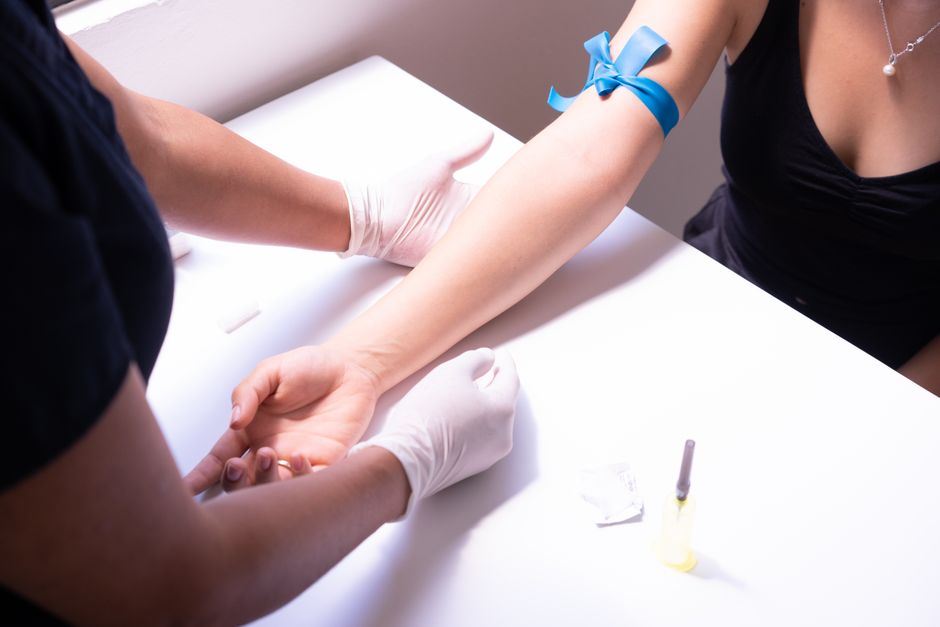
Phlebotomy pays reasonably well for a job that typically requires only a few months of training. The median annual wage for phlebotomists in the United States was about $41,800 in 2023, according to the U.S. Bureau of Labor Statistics. That works out to roughly $20 per hour. But salaries vary widely depending on where you work, how much experience you have, and which state you live in. Some phlebotomists earn closer to $30,000 a year, while others in high-cost areas or specialized settings earn well over $50,000.
What Is the Average Phlebotomist Salary?
The Bureau of Labor Statistics reports that the median annual wage for phlebotomists was $41,800 in May 2023. The lowest 10 percent of earners made less than $31,000, and the highest 10 percent made more than $57,000.
These numbers represent base pay. They do not include overtime, shift differentials, or bonuses. Many hospitals pay extra for night shifts, weekend work, and holidays. That can push a phlebotomist’s actual take-home pay noticeably higher than the base salary suggests.
Entry-level phlebotomists typically start at the lower end of the range. After a few years of experience, wages climb. Phlebotomists who move into lead roles, training positions, or supervisory jobs earn more.
How Does Experience Affect Phlebotomy Pay?
Experience matters in phlebotomy, but not as dramatically as in some other healthcare careers. A new phlebotomist with less than one year of experience might earn $15 to $17 per hour. Someone with five to ten years of experience often earns $20 to $25 per hour.
The reason experience matters less here than in nursing or radiology is that the core skill — drawing blood — does not change much over time. A phlebotomist who has done 10,000 draws is faster and better with difficult veins, but the job duties remain similar.
Where experience really pays off is in specialization. Phlebotomists who work in pediatric settings, oncology clinics, or with patients who have difficult venous access are valued for their skill. Those positions often pay more.
Does Phlebotomy Pay Well Compared to Similar Jobs?
Compared to other entry-level healthcare positions, phlebotomy pays in the middle range. Certified nursing assistants earned a median of about $38,200 in 2023. Medical assistants earned about $42,000. Pharmacy technicians earned about $40,300.
Phlebotomy training is shorter and less expensive than most of these alternatives. A phlebotomy certificate program typically takes 4 to 8 months. Many programs cost between $1,000 and $3,000. That means phlebotomists enter the workforce faster and with less student debt than many of their healthcare colleagues.
The tradeoff is a lower ceiling. A phlebotomist with 20 years of experience does not earn dramatically more than one with 5 years. In nursing or medical assisting, there are clearer paths to higher-paying roles over time.





Which States Pay Phlebotomists the Most?
Geographic location is the single biggest factor in phlebotomy pay. States with higher costs of living and stronger healthcare markets pay more. States with lower costs of living pay less.
California, Washington, Oregon, and Massachusetts consistently rank among the highest-paying states for phlebotomists. In these states, experienced phlebotomists can earn $50,000 to $60,000 or more. California also has strong labor protections and overtime rules that boost actual earnings.
Southern and Midwestern states generally pay less. Mississippi, Alabama, Arkansas, and West Virginia often fall in the $29,000 to $34,000 range. The cost of living in these states is lower, so the purchasing power gap is not as large as the raw numbers suggest.
Urban areas pay more than rural areas within the same state. A phlebotomist in New York City earns more than one in upstate New York, but the cost of housing and transportation eats into that difference.
What Work Settings Pay the Best for Phlebotomists?
The workplace matters almost as much as the state. Hospitals generally pay the highest base salaries, followed by outpatient care centers and diagnostic laboratories. Physician offices and blood donation centers typically pay less.
Hospitals often offer shift differentials that add $1 to $3 per hour for nights and weekends. They also tend to have union representation in some regions, which can raise pay and improve benefits.
Diagnostic laboratories like Quest Diagnostics and Labcorp employ many phlebotomists. These jobs often pay slightly less than hospitals but offer more regular schedules. Some phlebotomists prefer this tradeoff, especially those with families.
Plasma donation centers pay on the lower end, but they hire frequently and offer flexible part-time schedules. Mobile phlebotomy services, which travel to patients’ homes, sometimes pay more per draw but offer less predictable income.
Does Certification Increase Phlebotomy Pay?
Certification generally leads to higher pay and better job prospects. Most employers prefer or require certification from organizations like the American Society for Clinical Pathology, the National Healthcareer Association, or the American Medical Technologists.
Certified phlebotomists often earn $1 to $3 more per hour than uncertified workers in the same role. Certification also opens doors to better employers. Many hospitals will not consider uncertified applicants at all.
The certification exam costs between $90 and $150, depending on the organization. Most phlebotomy training programs include exam preparation. Maintaining certification requires continuing education credits every few years.
Is Phlebotomy a Good Career for the Long Term?
Phlebotomy is a solid entry point into healthcare, but it is not a high-income career. The Bureau of Labor Statistics projects employment for phlebotomists to grow about 8 percent from 2022 to 2032, faster than the average for all occupations. An aging population means more blood tests, and that means steady demand for phlebotomists.
The job itself is physically demanding. Phlebotomists stand for most of their shifts, work with needles all day, and deal with patients who may be anxious or difficult. The work can be repetitive.
Many phlebotomists use the role as a stepping stone. The clinical experience and patient contact make it easier to move into nursing, medical assisting, or laboratory science. Some employers offer tuition reimbursement for employees who pursue further education.
What Are the Realistic Total Earnings for a Phlebotomist?
Realistic total earnings depend on hours, setting, and location. A full-time hospital phlebotomist in California earning $28 per hour with regular overtime might bring home $60,000 or more. A part-time phlebotomist at a plasma center in Mississippi earning $14 per hour might make $22,000.
Most phlebotomists fall somewhere in between. A typical full-time phlebotomist in a mid-sized city with a few years of experience earns $38,000 to $45,000 per year before taxes.
Overtime is common in hospitals, especially during staffing shortages. Phlebotomists who can work extra shifts can add several thousand dollars to their annual income. Travel phlebotomy positions, where workers take temporary assignments in different cities, can pay significantly more but require flexibility and often involve travel costs.
Frequently Asked Questions
How long does it take to become a phlebotomist?
Most phlebotomy training programs take 4 to 8 months to complete. Some accelerated programs finish in as little as 6 weeks.
Do phlebotomists need a college degree?
No, a college degree is not required. A high school diploma and a phlebotomy certificate from an accredited program are typically enough.
Is phlebotomy hard on your body?
Yes, the job involves long periods of standing and repetitive motions that can strain the back, wrists, and hands. Good body mechanics and proper equipment can reduce the strain.
Can phlebotomists make 50k a year?
Yes, but it usually requires working in a high-paying state like California, working in a hospital with overtime, or having several years of experience. It is not typical for entry-level positions.
