
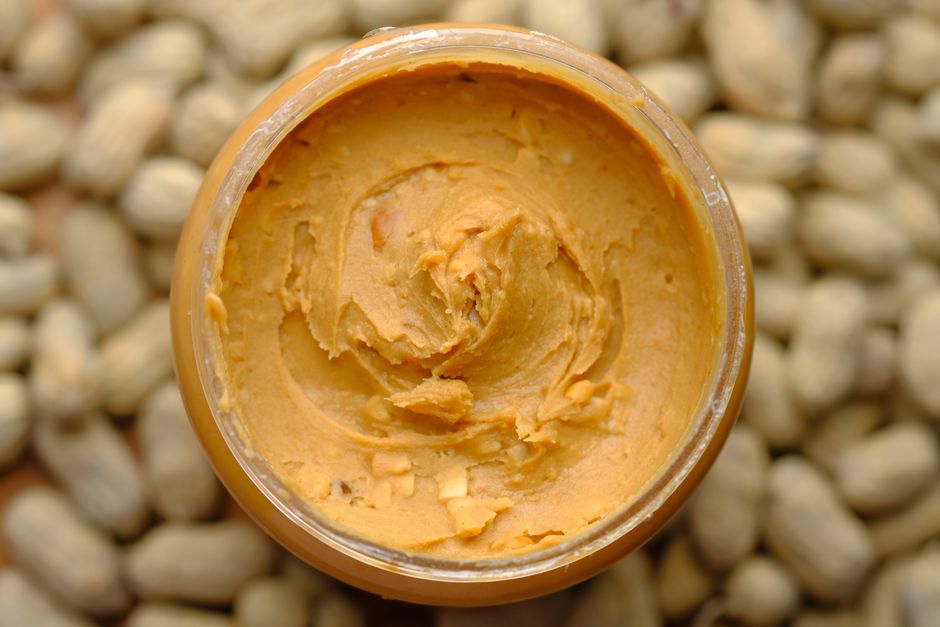
Peanut butter will not cure sciatic nerve pain, but it can be a helpful part of a diet that supports nerve health and reduces inflammation. The key is understanding what peanut butter actually contains and what the science says about those nutrients. It is a food, not a medicine, and it works best as part of a broader approach to managing your symptoms.
What Causes Sciatic Nerve Pain?
Sciatic nerve pain is a symptom, not a condition on its own. It usually happens when something presses on the sciatic nerve. This nerve runs from your lower back, through your hips and buttocks, and down each leg.
The most common cause is a herniated disc in the spine. The soft center of a disc pushes out and irritates the nerve root. Other causes include bone spurs, spinal narrowing, or tight muscles in the buttocks like the piriformis muscle.
The pain can feel like a sharp, burning, or shooting sensation. Some people describe numbness or a pins-and-needles feeling down one leg. The symptoms are real and can be very frustrating, especially when they interfere with sleep or daily activities.
Does Peanut Butter Help Sciatic Nerve Pain Directly?
No food directly targets the sciatic nerve. Peanut butter does not reduce pressure on the nerve or repair a herniated disc. What it can do is provide nutrients that support nerve function and help manage inflammation at the body-wide level.
Some studies suggest that certain nutrients play a role in nerve health. These include B vitamins, magnesium, and healthy fats. Peanut butter contains all three, which makes it a reasonable food choice for someone dealing with nerve pain.
But here is the honest part: no clinical trial has tested peanut butter specifically as a treatment for sciatica. The evidence for its benefit comes from what we know about its nutrients, not from direct studies on peanut butter and nerve pain.
What Nutrients in Peanut Butter Matter for Nerve Health?
Peanut butter is a nutrient-dense food. A standard two-tablespoon serving provides about 7 grams of protein, 16 grams of fat, and roughly 2 grams of fiber. Most of the fat is monounsaturated and polyunsaturated, which are considered heart-healthy fats.
For nerve health specifically, a few nutrients stand out:
- Vitamin B3 (niacin): Supports the nervous system and helps with energy production in cells.
- Vitamin B6: Involved in the creation of neurotransmitters and the maintenance of the myelin sheath that protects nerves.
- Magnesium: Helps regulate nerve signaling and may play a role in muscle relaxation.
- Vitamin E: An antioxidant that protects cells, including nerve cells, from oxidative stress.
These nutrients are important, but they are not magic. If you already get enough of them from your diet, adding more peanut butter will not provide extra benefit. The body only uses what it needs and eliminates the rest.





Can Peanut Butter Reduce Inflammation?
Chronic inflammation can irritate nerves and make pain worse. Some research suggests that diets rich in anti-inflammatory foods may help reduce pain levels in people with nerve-related conditions. Peanut butter can fit into an anti-inflammatory eating pattern.
Peanuts contain resveratrol and other polyphenols. These are plant compounds with antioxidant properties. Some studies indicate that these compounds may help reduce inflammatory markers in the body.
However, the evidence is not strong enough to say that peanut butter alone lowers inflammation enough to change your pain. It is one piece of a larger dietary picture. What you eat overall matters more than any single food.
Are There Risks to Eating Peanut Butter with Sciatica?
Peanut butter is safe for most people, but there are a few things to consider.
Weight management: Peanut butter is calorie-dense. About 190 calories per two-tablespoon serving. Extra body weight can increase pressure on the spine and worsen sciatic symptoms. If you are trying to manage your weight, portion control matters.
Added ingredients: Many commercial peanut butters contain added sugar, salt, and hydrogenated oils. These additives can work against your health goals. Choose natural peanut butter with peanuts as the only ingredient, or peanuts and salt.
Allergies: Peanut allergy is one of the most common food allergies. If you have a known allergy, avoid peanut butter completely. Symptoms can range from mild hives to severe anaphylaxis, which is life-threatening.
What Does the Research Actually Say About Diet and Nerve Pain?
The research on diet and sciatica is still developing. Most studies focus on broader dietary patterns rather than individual foods. The Mediterranean diet, which is rich in vegetables, fruits, whole grains, fish, and healthy fats, has been studied for its effects on pain and inflammation.
Some research suggests that people who follow anti-inflammatory diets report lower levels of chronic pain. This includes pain from conditions like arthritis and neuropathy. The connection to sciatica specifically is less clear.
What is more established is the link between obesity and sciatica. Studies have consistently found that higher body mass index is associated with a greater risk of developing sciatica. Maintaining a healthy weight through diet and exercise is one of the most evidence-based ways to reduce the burden on your spine.
What Else Should You Do for Sciatic Nerve Pain?
Diet is only part of the picture. For most people, sciatic nerve pain improves with conservative care. This includes physical therapy, gentle stretching, and over-the-counter pain relievers like ibuprofen or naproxen.
Physical therapy is one of the most effective approaches. A therapist can teach you specific exercises to strengthen your core and back muscles. Stronger muscles provide better support for your spine and can reduce pressure on the nerve.
Heat and ice can also help. Ice reduces inflammation in the first few days after a flare-up. Heat relaxes tight muscles and can improve blood flow. Alternate between them based on what feels better to you.
If your pain lasts more than a few weeks, gets worse, or is accompanied by weakness or loss of bladder control, see a doctor. These can be signs of a more serious condition that requires medical attention.
How to Include Peanut Butter in a Nerve-Friendly Diet
If you enjoy peanut butter and want to include it in your diet, do so mindfully. Stick to one serving of two tablespoons. Spread it on whole-grain toast, add it to oatmeal, or blend it into a smoothie.
Pair it with other anti-inflammatory foods. A peanut butter sandwich on whole-grain bread with sliced banana is a reasonable choice. The fiber from the bread and banana helps with blood sugar control, and the combination provides a range of nutrients.
Remember that peanut butter is not a substitute for medical care. It is a food that can support your overall health. It will not fix a herniated disc or eliminate nerve compression.
What Is the Bottom Line on Peanut Butter and Sciatica?
Peanut butter can be part of a healthy diet while you manage sciatic nerve pain. It provides nutrients that support nerve function and may help with inflammation. But it is not a treatment, and no evidence suggests it can directly relieve sciatic symptoms.
Focus on the bigger picture. Eat a balanced diet rich in vegetables, fruits, whole grains, and healthy fats. Stay active within your pain limits. Work with a healthcare provider to address the underlying cause of your nerve pain.
If peanut butter fits into that plan and you enjoy it, there is no reason to avoid it. Just keep portions reasonable and choose a product without added sugar or hydrogenated oils.
Frequently Asked Questions
Is peanut butter good for nerve pain?
Peanut butter contains nutrients like B vitamins and magnesium that support nerve health, but no study has shown it directly relieves nerve pain. It is best viewed as part of an overall healthy diet, not as a treatment.
How much peanut butter should I eat for sciatica?
There is no specific recommended amount for sciatica. A standard serving is two tablespoons, which provides useful nutrients without excessive calories.
Can peanut butter make sciatic nerve pain worse?
Peanut butter itself is unlikely to make sciatica worse. However, eating too much can contribute to weight gain, which may increase pressure on your spine and worsen symptoms.
What foods help sciatic nerve pain?
Foods with anti-inflammatory properties, like fatty fish, leafy greens, berries, and nuts, may help support nerve health. No single food has been proven to cure sciatica, and a balanced diet matters more than any one item.
