
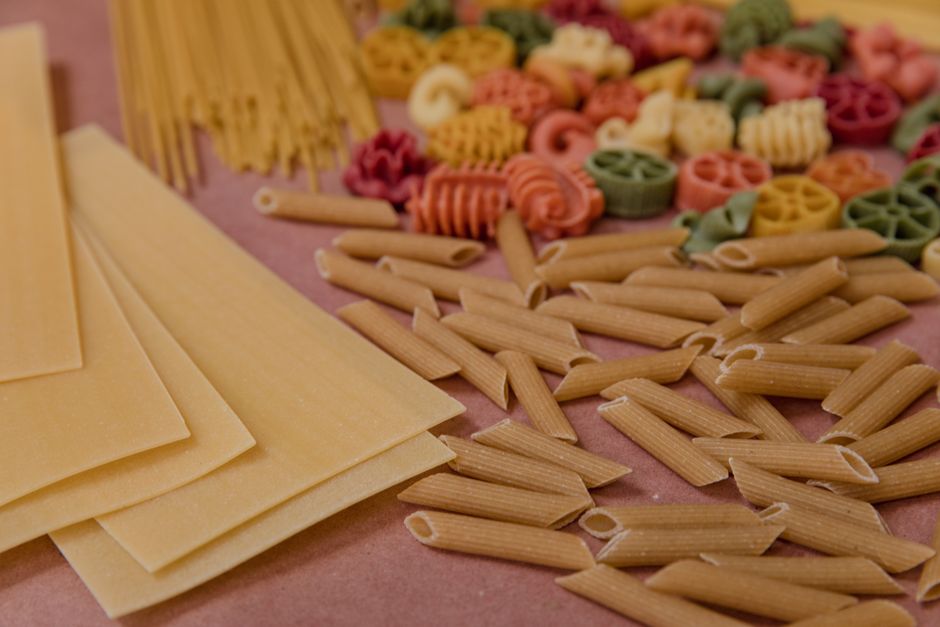
Regular wheat pasta contains gluten. That is the short answer. Gluten is a protein found in wheat, barley, and rye, and traditional pasta is made from durum wheat flour and water. If you eat standard spaghetti, penne, or macaroni, you are eating gluten.
But pasta is not one single food. The category now includes noodles made from rice, corn, chickpeas, lentils, and other gluten-free ingredients. Whether a specific pasta contains gluten depends entirely on what flour it was made from. Reading the ingredient list answers the question in seconds.
What Is Gluten and Why Is It in Pasta?
Gluten is a group of proteins that form when two smaller proteins in wheat — glutenin and gliadin — are mixed with water. The result is a stretchy, elastic network. That network is what gives pasta its structure. It traps air, holds shape during boiling, and creates the firm, chewy texture people expect from a bowl of spaghetti.
Durum wheat is the traditional choice for pasta. It is a hard wheat with high protein content, which makes for strong gluten development and pasta that holds up well in boiling water. Semolina, the coarse flour milled from durum wheat, is the base of most dried Italian pasta.
Without gluten, pasta dough behaves differently. It crumbles more easily and can turn mushy during cooking. This is why gluten-free pasta often relies on starch blends, gums, or alternative proteins to mimic the texture gluten provides naturally.
Gluten is not inherently harmful. For most people, it is simply a protein that gets digested like any other. The problem arises for specific groups — people with celiac disease, wheat allergy, or certain sensitivities — where gluten triggers a genuine immune or allergic response.
Does Pasta Contain Gluten? It Depends on the Flour
The flour used determines everything. Wheat-based pasta contains gluten. Pasta made from gluten-free grains or legumes does not.
Here is a breakdown of common pasta types and their gluten status:
| Pasta Type | Main Flour | Contains Gluten? |
|---|---|---|
| Traditional semolina pasta | Durum wheat | Yes |
| Whole wheat pasta | Whole wheat | Yes |
| Egg pasta | Wheat flour | Yes |
| Rice pasta | Rice flour | No |
| Corn pasta | Corn flour | No |
| Chickpea pasta | Chickpea flour | No |
| Lentil pasta | Lentil flour | No |
| Buckwheat pasta (soba) | Buckwheat | Often no, but check labels |
Soba is worth a closer look. Traditional Japanese soba is made from buckwheat, which is naturally gluten-free despite the word “wheat” in its name. However, many commercial soba noodles blend buckwheat with wheat flour for texture. The label is the only reliable way to know.
Some pasta is labeled “gluten-free” but made in facilities that also process wheat. Cross-contamination is a real concern for people with celiac disease. In the United States, a product can only carry the “gluten-free” label if it contains less than 20 parts per million of gluten, a threshold set by the FDA. That standard applies to labeled products, not to naturally gluten-free foods that may share equipment with wheat.
Which Pastas Are Naturally Gluten-Free?
Several pasta varieties are made from ingredients that never contained gluten in the first place. These are not processed to remove gluten — they simply start without it.
- Rice pasta: Made from white or brown rice flour. Widely available and mild in flavor.
- Corn pasta: Common in Italian gluten-free products. Holds up reasonably well when cooked.
- Chickpea pasta: Higher in protein and fiber than rice or corn pasta. Texture can be denser.
- Lentil pasta: Similar nutritional profile to chickpea pasta. Distinct earthy flavor.
- Quinoa pasta: Often blended with corn or rice flour. Quinoa itself is gluten-free.
- Buckwheat pasta: Pure buckwheat noodles are gluten-free. Blended versions may not be.
These alternatives have grown significantly in availability. Most major grocery stores now carry at least one or two gluten-free pasta options. The taste and texture vary considerably between brands and flour types. Some people find rice pasta too soft, while chickpea pasta can have a firmer bite.
One practical note: gluten-free pasta tends to overcook faster than wheat pasta. It also does not reheat as well. Cooking it just to the lower end of the package time usually gives better results.



Who Needs to Avoid Gluten in Pasta?
Not everyone who avoids gluten needs to. But for some people, it is not optional.
Celiac disease is an autoimmune condition where eating gluten damages the lining of the small intestine. It affects about 1% of the population, according to the National Institutes of Health. For people with celiac disease, even small amounts of gluten can cause intestinal damage and symptoms. Avoiding gluten is the only treatment. This is not a preference — it is a medical necessity.
Wheat allergy is different from celiac disease. It is an immune reaction to proteins in wheat, including but not limited to gluten. Symptoms can include hives, difficulty breathing, or digestive distress. Some people with wheat allergy can tolerate other gluten-containing grains like barley or rye, depending on which wheat proteins trigger their reaction.
Non-celiac gluten sensitivity is a recognized but less understood condition. People report symptoms like bloating, fatigue, or brain fog after eating gluten, but tests for celiac disease and wheat allergy come back negative. Research on this condition is ongoing. Some studies suggest the symptoms may not be caused by gluten itself but by other components of wheat, or by the FODMAPs (fermentable carbohydrates) present in wheat products. The evidence here is mixed, and no diagnostic biomarker currently exists.
For everyone else — people without celiac disease, wheat allergy, or diagnosed sensitivity — there is no established health reason to avoid gluten. Gluten-free diets are not inherently healthier. In fact, many gluten-free pasta products are lower in fiber and certain B vitamins than their wheat counterparts, unless they are specifically fortified.
How Can You Tell If Pasta Contains Gluten?
Check the ingredient list. If you see wheat, durum, semolina, farro, spelt, kamut, barley, rye, or malt, the product contains gluten. If you see rice, corn, chickpea, lentil, quinoa, or buckwheat as the only flour, it likely does not.
Look for a “gluten-free” label. In the US, this label is regulated by the FDA and means the product contains less than 20 parts per million of gluten. That is the standard considered safe for people with celiac disease.
Watch for hidden sources. Some pasta sauces, seasonings, and flavored pasta packets may contain gluten-containing additives. Wheat flour is sometimes used as a thickener. Soy sauce, which contains wheat, is another common hidden source in pasta dishes.
Fresh pasta from a deli or restaurant is trickier. It may be made with wheat flour even if it looks similar to a gluten-free version. When in doubt, ask about ingredients directly.
Cross-contamination matters for people with celiac disease. A pot of water used to boil wheat pasta and then reused for gluten-free pasta can transfer enough gluten to cause a reaction. Separate pots and utensils are the safer approach.
Is Gluten-Free Pasta Healthier?
No. For people who do not have a medical reason to avoid gluten, gluten-free pasta offers no nutritional advantage. It is not lower in calories by default, and it is often lower in protein and fiber.
That said, some gluten-free pastas made from legumes like chickpeas or lentils are nutritionally impressive. They can contain more protein and fiber than traditional wheat pasta. But that benefit comes from the legume flour, not from the absence of gluten.
The healthiest choice depends on your overall diet and any medical conditions you have. If you have celiac disease, gluten-free pasta is not a choice — it is a requirement. If you do not, the decision comes down to taste, texture, and nutritional content, not gluten avoidance.
One non-obvious point: some people who feel better on a gluten-free diet may actually be reacting to something else in wheat products, such as fructans, a type of carbohydrate that can cause digestive symptoms in sensitive individuals. Fructans are present in wheat, garlic, onions, and many other foods. A gluten-free diet removes wheat, which removes the fructans too. The improvement may have nothing to do with gluten at all.
Frequently Asked Questions
Does all pasta contain gluten?
No. Pasta made from wheat contains gluten, but pasta made from rice, corn, chickpeas, lentils, or pure buckwheat does not. Always check the ingredient list and look for a gluten-free label.
Is egg pasta gluten-free?
No. Egg pasta is made with wheat flour and eggs, so it contains gluten. The eggs add richness and structure but do not remove the gluten.
Can I eat pasta if I have celiac disease?
Yes, but only pasta made from gluten-free ingredients and labeled as gluten-free. Traditional wheat pasta is not safe for anyone with celiac disease, even in small amounts.
Is gluten-free pasta better for weight loss?
No. Gluten-free pasta is not lower in calories than regular pasta, and it is often lower in protein and fiber. Weight management depends on total diet and portion size, not gluten content.
