
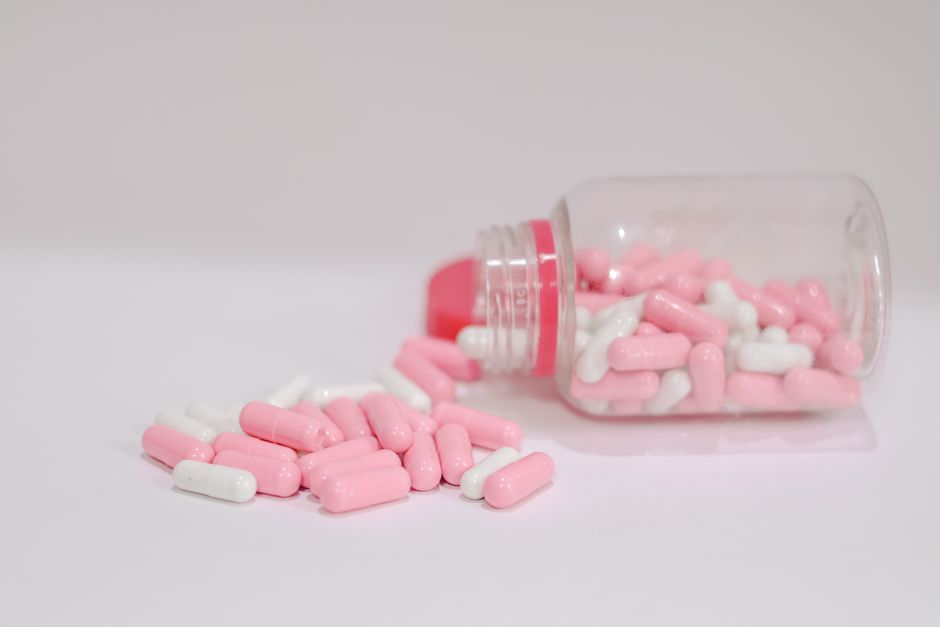
Yes, pain relievers expire, and no, you should not take one past its expiration date. The date printed on the package is the last day the manufacturer can guarantee the medicine’s full strength and safety. After that, the drug may be weaker than the label says, and in some cases it may not be safe to use at all.
Most people have a bottle of ibuprofen or acetaminophen buried in a bathroom cabinet with a date that passed years ago. The temptation to swallow one rather than buy a new bottle is real. Here is what actually happens to medicine over time, and why the answer is more practical than scary.
What Does the Expiration Date on Medicine Actually Mean?
The expiration date is a promise from the manufacturer, backed by stability testing. Companies store batches of a drug under controlled conditions and test its strength, purity, and how well it dissolves over time. The date they print reflects how long those tests show the medicine stays within acceptable limits.
It is not a magic moment when the drug suddenly turns toxic. It is the end of the period the manufacturer has data to support. That distinction matters, because it explains why a pill a few weeks past its date is usually not dangerous, while a pill years past its date is a genuinely bad idea.
The U.S. Food and Drug Administration requires expiration dates on all over-the-counter and prescription medicines. The agency has been clear that you should not take medicine past its expiration date, and that expired medicines should be disposed of properly. That guidance exists for good reason, even if the risk is often modest.
Does Pain Reliever Expire And Is It Safe To Take? The Short Answer
An expired pain reliever is not safe to take as a reliable medicine. The two problems are loss of potency and, in certain forms, chemical breakdown.
Potency loss is the main issue. Over time, the active ingredient degrades. A tablet that was supposed to contain 200 milligrams of ibuprofen may contain meaningfully less. You take what you think is a standard dose and get an unpredictable amount instead. For a mild headache that may not matter much. For pain you are trying to control, it means the medicine may simply not work, and you may be tempted to take more than the label allows.
The second problem is specific to certain formulations. Aspirin is the classic example. As aspirin breaks down, it can convert into acetic acid and salicylic acid, which gives it a vinegar-like smell. An old aspirin that smells strongly of vinegar has degraded and should be thrown out. Liquid medicines, including liquid pain relievers, carry their own risks because they can grow bacteria or separate over time once the preservative system is stressed.
Here is a point many people miss. The danger is not usually that an expired pain reliever becomes poisonous. The danger is that it stops being dependable, and unreliable medicine leads people to make dosing mistakes.
Which Pain Relievers Break Down, and How?
Different drugs age differently, and the form matters as much as the ingredient. A sealed tablet in a dry bottle holds up far better than an open liquid or a gel capsule.
Ibuprofen and naproxen are generally stable as solid tablets but lose potency over time. Gel capsules and liquids are more vulnerable to heat and moisture.
Acetaminophen tablets are relatively stable, but the drug can break down under prolonged exposure to heat and humidity. It is one of the most common ingredients in combination products, which complicates things because the other ingredients may degrade at different rates.
Aspirin is the most notorious for visible breakdown, and its vinegar smell is a reliable warning sign that it has degraded.
Storage conditions change everything. A bottle kept in a hot, humid bathroom ages faster than one kept in a cool, dry place. Heat and moisture are the enemies. That is why the bathroom medicine cabinet, despite its name, is one of the worst places to store medicine.
Why Does Storing Medicine in the Bathroom Speed Up Expiration?
Heat and humidity break down the active ingredients in medicine faster than the manufacturer’s stability tests assume. Bathrooms are hot and steamy from showers, and that repeated cycle of moisture and warmth stresses tablets, capsules, and liquids alike.
The manufacturer’s expiration date assumes reasonable storage. If you have kept a bottle in a humid bathroom for years, it may have degraded faster than the printed date suggests. A cool, dry, dark place, like a bedroom closet or a kitchen cabinet away from the stove, is a better home for medicine.
Keep medicines in their original containers with the label intact. The label tells you the drug, the dose, and the expiration date, and losing that information is its own safety problem.
What Should You Do With Expired Pain Relievers?
Do not flush them down the toilet unless the label or a pharmacist specifically tells you to. Most medicines should be disposed of through a drug take-back program or a pharmacy drop-off, which keeps them out of the water supply.
If no take-back option is available, the FDA advises that most medicines can be mixed with something unappealing, like used coffee grounds or cat litter, sealed in a bag, and placed in the household trash. This reduces the chance a child or pet finds them.
The safest approach is simple. Check your supply periodically, discard anything past its date, and replace what you actually use. Keeping a small, current supply beats hoarding a cabinet full of old bottles.
Does the “Expired Medicine Is Still Fine” Claim Hold Up?
You may have heard that expired medicine is almost always still good, often citing a government stockpile study. That claim is overstated and gets repeated without its context.
There is a well-known program in which the U.S. military tested certain stockpiled medicines and found many retained substantial potency well past their labeled dates. That finding is real, but it applies to specific drugs stored under controlled conditions, not to the random bottle in your cabinet. It does not establish that your expired ibuprofen is fine.
Some research has found that certain solid tablets retain a large fraction of their labeled potency for years beyond the expiration date when stored well. That is interesting science. It is not a green light to self-dose with old medicine, because you cannot know how your particular bottle was stored or how much potency it has lost.
The practical takeaway: expired medicine is not a reliable dose, and reliability is the whole point of taking medicine. If you need pain relief, use a product within its date.
When Should You Not Take an Expired Pain Reliever?
Never take an expired pain reliever in these situations, regardless of how recently it expired.
- The medicine is a liquid, especially one that has changed color, become cloudy, or developed particles.
- The tablet or capsule looks different from when you bought it, such as crumbling, discoloration, or a strong odor.
- It is aspirin that smells like vinegar.
- You are giving it to a child, and the product is past its date.
- You are pregnant, breastfeeding, or managing a chronic condition, and the dose may be unreliable.
For children, pregnant women, and breastfeeding women, there is no reliable way to estimate how much active ingredient remains in an expired product. No clinical guidelines support using expired medicine in these groups, so the safe choice is a current product or a call to a pharmacist.
If you have already taken an expired pain reliever, do not panic. A single dose of a slightly degraded tablet is unlikely to cause harm in a healthy adult. Watch for unexpected effects, and contact a poison control center or a healthcare professional if you feel unwell.
How Can You Avoid Wasting Pain Relievers?
Buy only what you will realistically use. Large discount bottles often expire before they are finished. A smaller package that stays current is a better buy than a giant bottle you end up throwing away.
Write the purchase date on the bottle if the printed date is hard to read. Check your supply once or twice a year and clear out anything expired. Store medicine in a cool, dry place, keep it out of reach of children, and never transfer it to an unlabeled container.
If you are unsure whether a medicine is still good, a pharmacist is the right person to ask. They can check the date, the storage history, and whether the product is appropriate for you.
Frequently Asked Questions
Is it safe to take pain relievers after the expiration date?
No, it is not recommended. The medicine may have lost potency, and some forms, like aspirin and liquids, can degrade in ways that make them unreliable or unsafe.
How long after the expiration date is ibuprofen still good?
There is no reliable way to know, and no clinical guideline supports using ibuprofen past its date. Potency loss depends on how the bottle was stored, so a current product is the dependable choice.
What happens if you take expired pain medicine?
In a healthy adult, a single dose of a slightly degraded tablet is unlikely to cause serious harm, though it may not relieve pain well. If you feel unwell after taking it, contact a poison control center or a healthcare professional.
Does expired aspirin smell different?
Yes, aspirin that has broken down often smells like vinegar. That odor is a sign it has degraded and should be thrown away.
