

Omega-3 fatty acids are essential for many body functions, including reproductive health. Research suggests they may help improve egg quality and support healthy sperm, but the evidence is not conclusive. Here is what science currently says about omega-3s and fertility.
Does Omega 3 Help Fertility Egg Quality Sperm?
The short answer is yes, but with important caveats. Omega-3 fatty acids, particularly DHA and EPA, are building blocks for cell membranes. Eggs and sperm rely on healthy cell membranes for development and function. Some studies have found that women with higher omega-3 levels tend to have better embryo quality during IVF. Men with higher omega-3 intake often show improved sperm count, shape, and movement. However, most of this evidence comes from observational studies or small trials. Large, randomized controlled trials are still limited. So while omega-3s appear beneficial, they are not a guaranteed fix for fertility problems.
How Omega-3s Affect Egg Quality
Egg quality depends on the health of the egg’s cellular structure. DHA, a type of omega-3, is highly concentrated in the membranes of eggs and the cells that surround them. This fatty acid helps maintain membrane flexibility and supports communication between cells. Poor egg quality is often linked to oxidative stress and inflammation. Omega-3s have anti-inflammatory properties that may help reduce these harmful processes.
Some research suggests that women undergoing IVF who take omega-3 supplements have better-quality embryos. A 2020 analysis of several studies found that omega-3 supplementation was associated with higher live birth rates in IVF cycles. But the studies varied widely, and not all showed strong effects. The evidence is promising but not strong enough to recommend omega-3s as a standard fertility treatment.
Can Omega-3s Improve Sperm Quality?
Sperm cells also need healthy membranes to swim and fertilize an egg. Omega-3 fatty acids, especially DHA, make up a large part of sperm membrane structure. Men with low DHA levels tend to have poorer sperm motility and more abnormal sperm shapes. Some studies have found that omega-3 supplements improve sperm count, movement, and structure in men with infertility.
A 2018 review of randomized trials concluded that omega-3 supplementation significantly increased sperm concentration and motility. However, many of these studies were short-term and involved small groups of men. The improvement might not be dramatic for men with normal sperm quality. It is more likely to help those with specific deficiencies or inflammatory conditions.
One caution: omega-3s can thin the blood slightly. Men on blood thinners should talk to their doctor before taking high doses.



What Does the Research Say About Omega-3s and Fertility?
The overall body of research on omega-3s and fertility is growing but still incomplete. Most large studies are observational, meaning they link omega-3 intake to better fertility outcomes but cannot prove cause and effect. For example, a study of Danish women found that those who ate more fish (rich in omega-3s) had slightly shorter times to pregnancy. Another study linked higher red blood cell DHA levels with lower risk of infertility in women.
For men, a 2019 meta-analysis of 16 studies found that omega-3 supplementation improved sperm motility by about 4-5% on average. That is a modest gain, but it may be meaningful for couples struggling with male factor infertility.
However, not all trials agree. Some show no improvement in pregnancy rates after omega-3 supplementation. The evidence is strongest for couples already experiencing infertility or undergoing assisted reproduction. For average healthy couples, the benefit of adding omega-3s specifically for fertility is less clear.
A common misconception is that omega-3s can reverse age-related egg decline. Unfortunately, no supplement can reverse aging of eggs. Omega-3s may support egg health in younger women or those with mild inflammation, but they do not repair eggs that have already aged.
Should You Take Omega-3 Supplements for Fertility?
If you are trying to conceive and want to add omega-3s, the best approach is to get them from food first. Fatty fish like salmon, mackerel, sardines, and trout provide both DHA and EPA. The American Heart Association recommends two servings of fatty fish per week for heart health, which also supports general wellness.
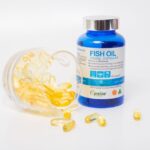
For those considering supplements, fish oil capsules are the most studied form. A typical dose for general health is 1 gram (1000 mg) of combined EPA and DHA daily. Some fertility clinics recommend higher doses, up to 2 grams, but this is not standard or supported by strong evidence. Vegetarian options like algae oil provide DHA but little EPA. The role of EPA in fertility is less clear, but it still has anti-inflammatory benefits.
Important: omega-3 supplements are not regulated like drugs. Quality varies. Look for brands that test for contaminants like mercury and PCBs. Third-party seals from organizations like USP or NSF can help ensure purity.
Always talk to your doctor before starting any supplement, especially if you are pregnant, nursing, or on medication.
Food Sources of Omega-3s for Fertility
Whole foods are generally better than supplements because they provide additional nutrients. Here are reliable sources:
- Fatty fish (salmon, mackerel, sardines, anchovies, herring)
- Fish liver oils (cod liver oil)
- Flaxseeds and chia seeds (contain ALA, a precursor to DHA and EPA, but conversion rates are low)
- Walnuts
- Hemp seeds
- Algae oil (a direct plant source of DHA)
For fertility, DHA from fatty fish or algae is more directly useful than ALA from plants. The body converts only about 5-10% of ALA to EPA and even less to DHA. So if you rely only on plant sources, you may not get enough DHA for optimal reproductive cell function.
Be mindful of mercury in fish. Larger fish like shark, swordfish, and king mackerel have higher mercury levels. Choose smaller, cold-water fish like salmon and sardines. Pregnant women and those trying to conceive should limit high-mercury fish. The FDA advises 8-12 ounces of low-mercury fish per week.
Potential Risks and Considerations
Omega-3 supplements are generally safe for most people. However, high doses (above 3 grams per day) can increase bleeding risk and may suppress the immune system. They can also cause unpleasant side effects like fishy burps, loose stools, or nausea.
If you are taking blood-thinning medication such as warfarin or aspirin, consult your doctor before adding omega-3 supplements. The mild blood-thinning effect of EPA and DHA could theoretically add to the effect of these drugs.
For women undergoing IVF, timing may matter. Some clinics recommend stopping fish oil before egg retrieval because of the bleeding concern during the procedure. Your fertility doctor will give specific instructions.
Finally, it is worth repeating: no supplement can replace a healthy diet, exercise, and not smoking. Omega-3s may support fertility, but they are not a magic bullet. The most important steps for improving fertility remain a balanced lifestyle and addressing any underlying medical conditions with your doctor.
Frequently Asked Questions
Can omega-3s improve egg quality?
Some studies suggest omega-3s, particularly DHA, support egg cell membrane health and may improve embryo quality in IVF. The evidence is not strong enough to guarantee improvement for all women.
How much omega-3 should I take for fertility?
No official fertility-specific dose exists. A common recommendation is 1 gram of combined EPA and DHA daily from food or supplements. Higher doses should only be used under medical supervision.
Are omega-3 supplements safe during pregnancy?
Yes, in standard doses. Pregnant women can safely take up to 1-2 grams of combined EPA and DHA per day. Fish oil or algae oil is preferable to high-mercury fish. Always check with your obstetrician first.
Do omega-3s help male fertility?
Evidence indicates omega-3s can improve sperm motility, count, and shape in some men with infertility. Effects are modest and vary by individual. A healthy diet overall is more important than any single supplement.
