
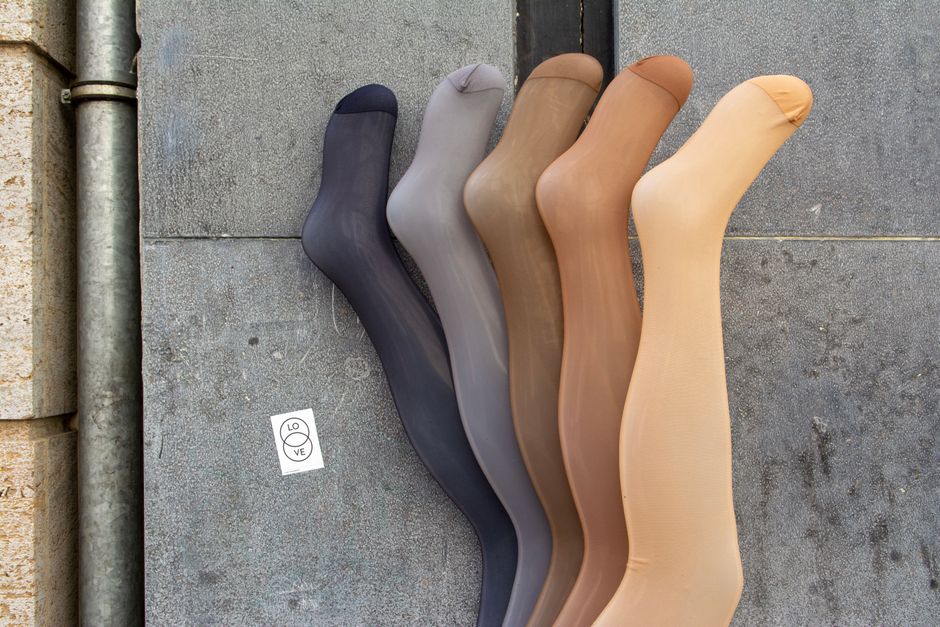
Yes, nylon can pill. Pilling happens when short fibers work loose from a fabric, tangle together, and form small balls on the surface. Nylon is a strong synthetic fiber, but it is not immune to this. The good news is that pilling on nylon is usually manageable, and how you wash and wear the item matters more than most people realize.
Nylon pills most often in blends, in loosely woven or low-twist fabrics, and in areas that rub — under the arms, between the thighs, at cuffs and collars. You can reduce it by washing on gentle cycles, turning garments inside out, avoiding friction with rough surfaces, and removing existing pills with a fabric shaver or pill comb. You cannot reverse pilling that has already thinned the fabric.
Why Does Nylon Pill in the First Place?
Pilling is a mechanical process, not a sign that the fabric is defective. It starts when individual fibers break free of the yarn structure and migrate to the surface.
Once there, friction — from movement, washing, or rubbing against other fabrics — rolls those loose fibers into small tangles. Those tangles are the pills you see.
Nylon’s own properties cut both ways here. It is exceptionally strong and abrasion-resistant, which is why it shows up in activewear, hosiery, and outerwear. But strength in the fiber does not prevent fibers from escaping the yarn.
Two things make pilling more likely on any fabric, nylon included: short fibers (called staple fibers) and loose yarn twist. Longer filaments and tighter twist hold fibers in place better.
This is why continuous-filament nylon — the smooth, fine nylon used in tights and parachute fabric — tends to pill far less than spun nylon, which is made from shorter cut fibers for a softer, more cotton-like feel.
Does Nylon Pill More Than Other Fabrics?
Nylon generally pills less than wool and less than many cotton blends, but more than tightly woven polyester in some constructions. The fiber type is only part of the story.
Fabric construction often matters more than fiber content. A loose knit nylon will pill more than a tight, high-twist nylon weave. A nylon-cotton blend can pill more than either fiber alone, because the two fibers wear at different rates and the shorter one escapes first.
Here is a comparison of general pilling tendencies by fiber. These are broad patterns, not rules — construction and blend ratios can override them.
| Fiber | General pilling tendency | Why |
|---|---|---|
| Wool | High | Short, crimped fibers escape easily and tangle |
| Cotton | Moderate to high | Short staple fibers, especially in loose knits |
| Nylon (spun) | Moderate | Strong fibers, but short staple versions can escape yarn |
| Nylon (filament) | Low | Long continuous fibers resist escaping |
| Polyester | Low to moderate | Strong, smooth filaments; varies by construction |
One clarification worth knowing: nylon’s strength can actually make existing pills harder to break off on their own. Wool pills tend to shed naturally over time because the fibers are weaker. Nylon pills can cling longer because the fibers resist breaking. That is one reason nylon pilling sometimes looks more persistent even when there is less of it.
What Causes Nylon to Pill Faster?
Friction is the main driver, and most of the friction a garment experiences comes from ordinary use and laundry. A few specific factors speed up pilling on nylon:
- Washing machine agitation. The tumbling and rubbing of a standard cycle loosens fibers far more than hand washing.
- High heat in the dryer. Heat and tumbling both stress fibers and encourage them to migrate to the surface.
- Rubbing during wear. Bag straps, seatbelts, tight underarms, and thigh-to-thigh contact are common pill zones.
- Washing with rough fabrics. Zippers, hooks, and heavy denim abrade nylon in the same load.
- Loose construction. Low-twist yarns and open knits release fibers more readily.
Static and lint can make pilling look worse than it is. Sometimes what looks like a pill is just lint clinging to the surface, which brushes away easily.
-
 Natural Remedies for Constipation: 10 Science-Backed Options
 -
How to Loosen a Bowel Blockage at Home. Easy Tips To Follow
-
Can Intermittent Fasting Cause Constipation? Benefits, Pros & Cons
-
Pulmo Balance Reviews 2026: Legit Lung Support Or Not?
-
Constipation Relief During Pregnancy: Why It happens & Tips





How Do You Fix Pilling on Nylon?
You can remove existing pills, and you can slow new ones. Removal is straightforward; prevention takes a little consistency.
Removing pills that are already there
A fabric shaver (also called a lint shaver) is the most effective tool for nylon. It has a small rotating blade behind a guard that trims pills at the surface without cutting into the fabric. Use it on a flat surface with the garment stretched slightly, and go gently — pressing hard can catch and tear the weave.
A pill comb or a fine-toothed sweater comb works similarly for lighter pilling. A pumice stone or fine sandpaper can be used on sturdy nylon, but it risks abrading the surface if you press too hard, so it is a last resort.
Skip the razor blade. It is a common internet suggestion, and it is a reliable way to slice holes in thin nylon.
Do not pull pills off by hand. Pulling yanks more fibers loose and can create a small thin spot or a run, especially in hosiery and lightweight nylon.
Slowing new pills
Turn nylon garments inside out before washing. This puts the abrasion on the inside surface rather than the face of the fabric.
Wash on a gentle or delicate cycle in cool water, and use a mesh laundry bag for small or delicate items. Wash nylon separately from rough items with zippers, hooks, or heavy hardware.
Air-dry when you can. If you use a dryer, choose low heat and remove the item while it is still slightly damp. High heat is hard on nylon generally and increases fiber stress.
Give high-friction areas a rest. Rotating garments and avoiding tight fits in rub-prone zones reduces the mechanical wear that drives pilling.
Can You Prevent Nylon From Pilling Entirely?
No. You can reduce pilling, but you cannot eliminate it in fabrics made from short staple fibers. Some pilling is normal wear for those materials.
The most reliable prevention happens before you buy. If pilling is a concern, look for:
- Continuous-filament nylon rather than spun nylon
- Tightly woven or high-twist fabrics
- Blends with a high proportion of long-fiber synthetics
- Smooth, tightly finished surfaces
Fabric quality labels rarely state fiber length or twist, so feel matters. A nylon fabric that feels tight and smooth is generally less likely to pill than one that feels loose and fuzzy.
Once pilling starts, it often slows on its own. The fibers most prone to escaping work loose first, and after they are removed, the surface tends to stabilize. That is why a garment can look worse in its first few washes and then settle.
When Is Pilling a Sign of Poor Quality?
Some pilling is normal, but heavy pilling early in a garment’s life usually points to a quality or construction issue. If a new nylon item pills heavily after one or two wears, the fabric likely has short fibers, loose twist, or a loose knit.
Pilling is not the same as fabric failure. A garment that pills but stays intact is cosmetically worn, not structurally broken. But if pilling comes with thinning, holes, or runs, the fabric is genuinely wearing out, and no amount of shaving will restore it.
For high-wear items like leggings, activewear, and outerwear, it is reasonable to expect some surface pilling over time. It is not reasonable to expect a loosely knit nylon blend to stay smooth indefinitely.
Frequently Asked Questions
Does nylon pill easily?
Nylon pills moderately — less than wool but more than tightly woven filament polyester. Spun nylon and loose knits pill more than smooth, continuous-filament nylon.
How do you get pills off nylon?
Use a fabric shaver or pill comb on a flat, slightly stretched surface, working gently. Do not pull pills by hand or use a razor blade, which can tear thin nylon.
Does washing nylon make it pill more?
Yes, machine agitation and high dryer heat increase pilling. Washing inside out on a gentle cycle in cool water and air-drying reduces it.
Is pilling a sign of bad quality nylon?
Heavy pilling after only a few wears usually points to short fibers or loose construction. Some surface pilling over time is normal wear and not a defect.
