
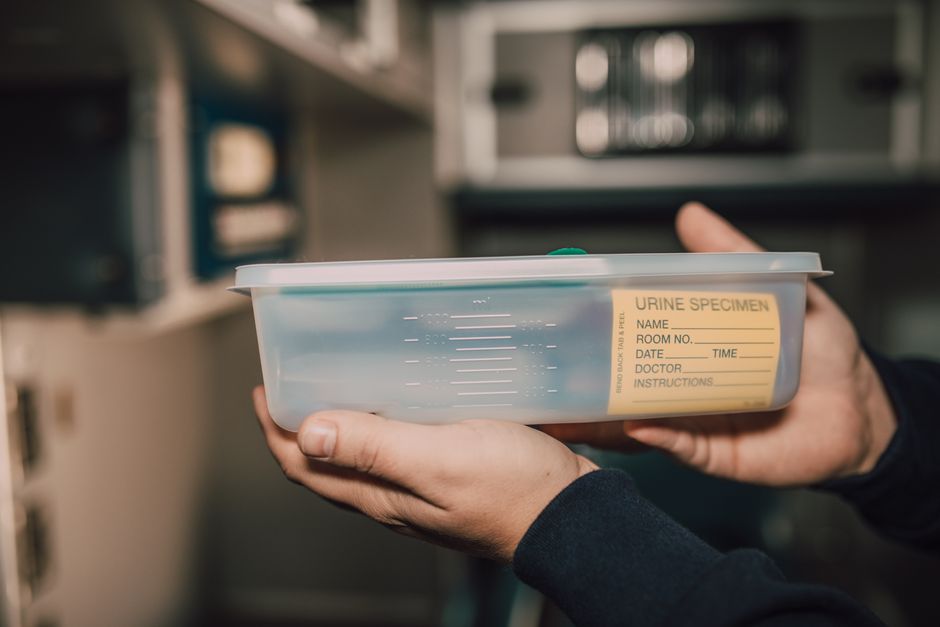
You get a call from your doctor’s office. The urine culture came back showing “mixed growth.” That phrase sounds alarming, but it usually means something far more ordinary than an infection. Mixed growth in a urine sample most often means the sample picked up bacteria from your skin or the container rather than from your urinary tract. In many cases it signals contamination during collection, not a true infection. Whether it matters depends on your symptoms, how the sample was collected, and what else the lab found.
Does Mixed Growth In Urine Mean An Infection?
No. Mixed growth on its own does not mean you have a urinary tract infection. A urine culture is designed to grow bacteria, and it will grow whatever is present in the sample. When several different types of bacteria grow together, that pattern usually points to contamination rather than a single germ multiplying inside your bladder.
A true urinary tract infection typically shows growth of one dominant organism in significant numbers. Labs report this as a pure culture. Mixed growth, by contrast, means the lab saw a jumble of different bacteria with no clear single culprit. That jumble is exactly what you would expect if skin bacteria, vaginal bacteria, or bacteria already sitting in the collection cup got into the sample.
This is why doctors rarely treat mixed growth alone. The result has to be read alongside your symptoms and the reason the test was ordered. A person with no urinary symptoms and a mixed-growth culture almost certainly does not need antibiotics. A person with burning, urgency, and frequent urination may need a fresh, cleaner sample or a different test.
Why Does Mixed Growth Happen In A Urine Sample?
Contamination is the leading reason. The area around the urethra is not sterile. It carries skin bacteria and, in women, bacteria from the vagina. When urine passes through this area and into a cup, it can pick up those organisms along the way.
Several things raise the odds of a contaminated sample:
- Not cleaning the genital area before collecting
- Letting the first stream of urine fall into the cup instead of a midstream sample
- Touching the inside of the lid or cup
- Leaving the sample sitting too long before it reaches the lab
- Collecting in a container that is not sterile
There is a useful detail many people miss. The standard “clean-catch midstream” method exists specifically to reduce contamination. You wipe the area, start urinating into the toilet, then collect the middle portion of the stream. The first part of the stream flushes out bacteria near the opening. The middle part is more likely to reflect what is actually in your bladder. Skipping these steps is one of the most common reasons a culture comes back mixed.
In some cases, mixed growth reflects more than one organism genuinely present in the urinary tract. This can happen in people with catheters, structural problems in the urinary system, or long-standing urinary issues. But even then, the finding has to be interpreted with care, because a catheter or a long-standing problem makes contamination and true multi-organism growth harder to tell apart.
How Do Labs Tell Contamination From A Real Infection?
Labs look at more than just the word “mixed.” They count how much growth appeared and whether one organism dominates. A culture that grows one type of bacteria in high numbers is treated as more suspicious for infection than a culture growing several types in low numbers.
There is no single cutoff that settles the question for every patient. Clinical guidelines emphasize that urine culture results must be interpreted together with symptoms, not as a stand-alone verdict. A positive culture in someone with no symptoms is often not an infection at all. This is a well-recognized issue, especially in older adults, where bacteria can be present in urine without causing illness.
Some labs will report a specific organism when it grows in significant amounts and note “mixed flora” or “mixed growth” when the picture is unclear. That wording is a signal to the doctor that the result is not clean enough to act on by itself. Many clinicians will simply repeat the test rather than treat a mixed result.
What Symptoms Actually Point To A Urinary Tract Infection?
Symptoms matter more than the culture wording in most cases. The classic signs of a bladder infection include a burning sensation when urinating, a strong and frequent urge to urinate, cloudy or foul-smelling urine, and pressure in the lower belly. These symptoms, paired with a culture showing one dominant organism, make an infection much more likely.
Fever, chills, flank pain, or feeling generally unwell can suggest the infection has moved beyond the bladder, which is a more serious situation. Those symptoms warrant prompt medical attention.
It helps to separate symptoms from test results. Many people have bacteria in their urine with no symptoms at all. This is called asymptomatic bacteriuria, and it is common. Treating it with antibiotics is generally not recommended for most healthy people, because the antibiotics carry risks and the bacteria are not causing harm. A mixed-growth result in someone without symptoms fits this picture and usually calls for no treatment.
What Should You Do If Your Culture Shows Mixed Growth?
Talk to your doctor about your symptoms first. If you have clear urinary symptoms, your doctor may want to repeat the culture with a properly collected midstream sample. If you have no symptoms, the result may need no action at all.
If a repeat test is needed, these steps improve the chance of a clean sample:
- Wash your hands and clean the genital area as instructed
- Collect the middle of the urine stream, not the first part
- Use the sterile cup and lid exactly as directed
- Get the sample to the lab promptly, or refrigerate it if instructed
Do not start antibiotics on your own, and do not assume mixed growth means you need them. Antibiotics carry real risks, including side effects and the growth of resistant bacteria. Using them when there is no true infection provides no benefit and can cause harm.
One point worth stating plainly: a mixed-growth result is a common and often unremarkable lab finding. It is not a diagnosis. It is a piece of information that only means something when combined with how you feel and how the sample was taken.
When Should You Be More Concerned?
Mixed growth deserves closer attention in certain situations. People who are pregnant, have weakened immune systems, use catheters, or have known structural problems in the urinary tract may need more careful evaluation. In pregnancy, urinary tract infections are taken seriously because untreated infections can cause complications, so a doctor may repeat testing or investigate further.
Anyone with fever, back or side pain, vomiting, or signs of feeling very ill should seek medical care promptly regardless of what the culture says. These can be signs of a kidney infection, which needs treatment.
For most otherwise healthy adults, though, a mixed-growth result with no symptoms is not a reason to worry. The evidence does not support treating it as an infection in that situation.
Does A Mixed Result Ever Mean A Real Infection?
It can, but it is not the typical picture. A genuine infection usually produces growth of a single organism. Mixed growth can occasionally reflect a true infection involving more than one type of bacteria, particularly in people with catheters or repeated urinary problems. In those cases, the doctor weighs the symptoms, the number and type of organisms, and the person’s overall health.
The key is that mixed growth alone is weak evidence. It is a clue that needs context, not a conclusion. If your doctor suspects a real infection despite a mixed result, they may order a fresh culture or additional testing rather than rely on the first sample.
Frequently Asked Questions
Does mixed growth in urine always mean contamination?
No, but contamination is the most common cause. A true infection usually shows one dominant organism, so mixed growth is more often a sign the sample picked up bacteria from the skin or container.
Can mixed growth in urine clear up without antibiotics?
Yes. When mixed growth reflects contamination or harmless bacteria in the urine, there is nothing to treat and it does not require antibiotics. Treatment decisions should be based on symptoms and your doctor’s assessment.
Should I take antibiotics for mixed growth in my urine culture?
Not based on the culture result alone. Antibiotics are generally only appropriate when there are symptoms of infection or another clear reason, and that decision should come from your doctor.
How can I avoid a contaminated urine sample?
Use the clean-catch midstream method: clean the area first, collect the middle of the stream, and get the sample to the lab promptly. These steps reduce the chance of skin bacteria getting into the sample.
