
MDMA raises blood pressure and heart rate in most people who take it. This is one of the most consistent cardiovascular effects of the drug, and it happens because MDMA triggers a large release of norepinephrine, the body’s main chemical signal for tightening blood vessels and speeding up the heart.
The size of the rise varies a lot between people. For a healthy young adult at a typical recreational dose, the increase is often noticeable but not immediately dangerous. For someone with existing heart disease, high blood pressure, or a weakened blood vessel wall, the same rise can be a serious event. MDMA is not a benign stimulant, and its cardiovascular risks are well documented in emergency medicine.
How Does MDMA Raise Blood Pressure?
MDMA works mainly by flooding the brain and body with serotonin, but it also releases norepinephrine and, to a lesser degree, dopamine. Norepinephrine is the key player for blood pressure. It binds to receptors on blood vessels and causes them to narrow, which raises the pressure inside them. It also acts on the heart, pushing it to beat faster and harder.
The result is a combined effect. Blood vessels tighten while the heart pumps more forcefully, so blood pressure climbs from both directions at once. Heart rate typically rises as well, often by a noticeable margin within the first hour after taking a dose.
This is not a subtle pharmacological side effect. It is a direct consequence of how the drug works. Any substance that releases norepinephrine will tend to raise blood pressure, and MDMA does this reliably.
Does MDMA Raise Blood Pressure in Everyone?
Not everyone responds the same way, and the difference matters. Some people see only a modest bump in blood pressure. Others see a sharp rise, sometimes enough to trigger a medical emergency.
Several factors influence how much a person’s blood pressure climbs:
- Dose: Higher doses generally produce larger increases. Taking more, or re-dosing through the night, tends to push blood pressure higher and keep it elevated longer.
- Individual sensitivity: Genetics and baseline cardiovascular health affect how strongly someone reacts.
- Body temperature and activity: Dancing in a hot environment while dehydrated adds strain on top of the drug’s effects.
- Other substances: Mixing MDMA with alcohol, other stimulants, or certain medications can amplify cardiovascular stress.
- Underlying conditions: People with existing high blood pressure, heart disease, or blood vessel abnormalities are at far greater risk.
Because these factors stack, two people taking the same amount can end up in very different situations. There is no reliable way to predict an individual’s response in advance.
What Are the Cardiovascular Risks of MDMA?
The main concern is not the routine rise itself. It is what that rise can trigger in a vulnerable person or under the wrong conditions.
MDMA has been linked to serious cardiovascular events, including:
- Hypertensive crisis: Blood pressure can climb high enough to damage organs, particularly in people already prone to high pressure.
- Heart attack: The combination of increased heart rate, higher blood pressure, and narrowed coronary arteries can deprive the heart muscle of oxygen.
- Stroke: A sudden spike in pressure can rupture a weakened blood vessel in the brain.
- Aortic dissection: The force of high pressure can tear the wall of the aorta, a life-threatening emergency. This is rare but documented.
- Arrhythmias: Abnormal heart rhythms can develop, especially when other stimulants are involved.
These events are uncommon relative to the number of people who use MDMA, but they are not rare enough to dismiss. Emergency departments regularly see young, otherwise healthy people with chest pain, dangerously high blood pressure, or abnormal heart rhythms after taking the drug.
One point that gets lost in casual discussion: the risk is not only about the peak. Prolonged elevation of heart rate and blood pressure over hours of use adds cumulative strain. A person who takes MDMA and then dances for hours in a hot room is asking a lot of their cardiovascular system.

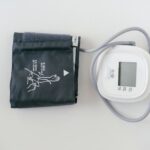
Does MDMA Raise Blood Pressure at Low Doses?
Even relatively low doses tend to raise blood pressure and heart rate. The relationship between dose and effect is not perfectly linear, but the direction is consistent. Lower doses generally produce smaller increases, but “smaller” is not the same as “none.”
This matters because some people assume a small dose carries no cardiovascular effect. That assumption is not supported. The drug’s mechanism of action does not switch off at low doses. It simply produces a gentler version of the same response.
In clinical research settings where MDMA has been studied under medical supervision, blood pressure and heart rate are monitored closely precisely because these changes are expected. Researchers treat cardiovascular monitoring as a standard safety measure, not an optional one.
What About MDMA-Assisted Therapy and Blood Pressure?
MDMA is being studied as an adjunct to psychotherapy for certain conditions, including post-traumatic stress disorder. In these research settings, the drug is given under medical supervision with continuous monitoring of blood pressure, heart rate, and temperature.
The cardiovascular effects do not disappear in a clinical setting. They are managed. Participants are screened for heart problems beforehand, doses are controlled, and medical staff are present to respond if something goes wrong. Some study protocols exclude people with cardiovascular conditions for this reason.
It is worth being clear about what this does and does not tell us. The existence of supervised research does not mean MDMA is safe for recreational use, where there is no screening, no monitoring, and no control over dose or purity. Those are very different situations. The clinical context is designed specifically to manage the risks that make unsupervised use dangerous.
Who Is Most at Risk From MDMA’s Blood Pressure Effects?
Some groups face substantially higher risk, and the reasons are well understood.
People with pre-existing cardiovascular conditions are at the top of the list. This includes high blood pressure, coronary artery disease, heart failure, prior heart attack or stroke, and known abnormalities of the aorta or other major vessels. For these people, even a moderate rise in blood pressure can be the event that tips them into an emergency.
Others at elevated risk include:
- People with a family history of early heart disease or sudden cardiac death.
- Those taking medications that interact with MDMA, including certain antidepressants and stimulants.
- People combining MDMA with other drugs, especially other stimulants like cocaine or amphetamines.
- Anyone who is dehydrated, overheated, or physically overexerting themselves.
Age is a factor too, though not a simple one. Younger people tend to have more cardiovascular reserve, but they are also more likely to use higher doses and combine substances. Older adults may have undiagnosed cardiovascular disease that makes any pressure spike more dangerous.
Can You Lower the Blood Pressure Risk?
There is no safe way to use MDMA, and no method that eliminates the cardiovascular risk. The drug’s effects on blood pressure and heart rate are built into how it works. What can be said is that certain conditions make the risk worse, and avoiding those conditions reduces — but does not remove — the danger.
Factors that increase cardiovascular strain during MDMA use include high doses, repeated dosing, combining with other stimulants, dehydration, overheating, and intense physical activity in hot environments. These are the situations most often associated with serious outcomes in emergency settings.
Anyone with a known heart condition or high blood pressure faces a risk that is not manageable through behavioral choices alone. For that group, the honest position is that MDMA use carries a real chance of a life-threatening cardiovascular event.
If someone experiences chest pain, severe headache, shortness of breath, a racing or irregular heartbeat, or signs of overheating after taking MDMA, that is a medical emergency. Emergency services should be contacted immediately. These symptoms can indicate a heart attack, stroke, or dangerously high blood pressure, and delay can be fatal.
What Does the Evidence Actually Show?
The cardiovascular effects of MDMA are among the best-established facts about the drug. Laboratory studies, clinical research, and emergency department data all point the same direction: MDMA raises blood pressure and heart rate through norepinephrine release, and this rise can cause serious harm in vulnerable people or under stressful conditions.
What is less certain is the exact size of the rise in any given person. That depends on dose, individual biology, environment, and what else is in the person’s system. Researchers continue to study the range of responses, but the underlying mechanism and the general risk profile are not in serious dispute.
The gap between “most people are fine” and “some people have heart attacks and strokes” is where the real story lives. MDMA is not universally deadly, and it is not harmless. It sits in a category of drugs where the same dose can be a memorable night for one person and a medical crisis for another, and there is no reliable way to know which one you will be.
Frequently Asked Questions
Does MDMA raise blood pressure?
Yes. MDMA releases norepinephrine, which narrows blood vessels and speeds up the heart, raising blood pressure in most people who take it.
How much does MDMA raise blood pressure?
The increase varies widely depending on dose, individual sensitivity, and other factors, so there is no single figure that applies to everyone. Some people see only a modest rise while others experience a sharp spike.
Can MDMA cause a heart attack or stroke?
Yes, in some cases. The rise in blood pressure and heart rate can trigger heart attacks, strokes, and other cardiovascular emergencies, especially in people with existing heart conditions or those combining MDMA with other stimulants.
Is MDMA safe if you have high blood pressure?
No. People with existing high blood pressure or heart disease face a substantially higher risk of a life-threatening cardiovascular event from MDMA, and that risk cannot be managed through behavioral choices alone.
