
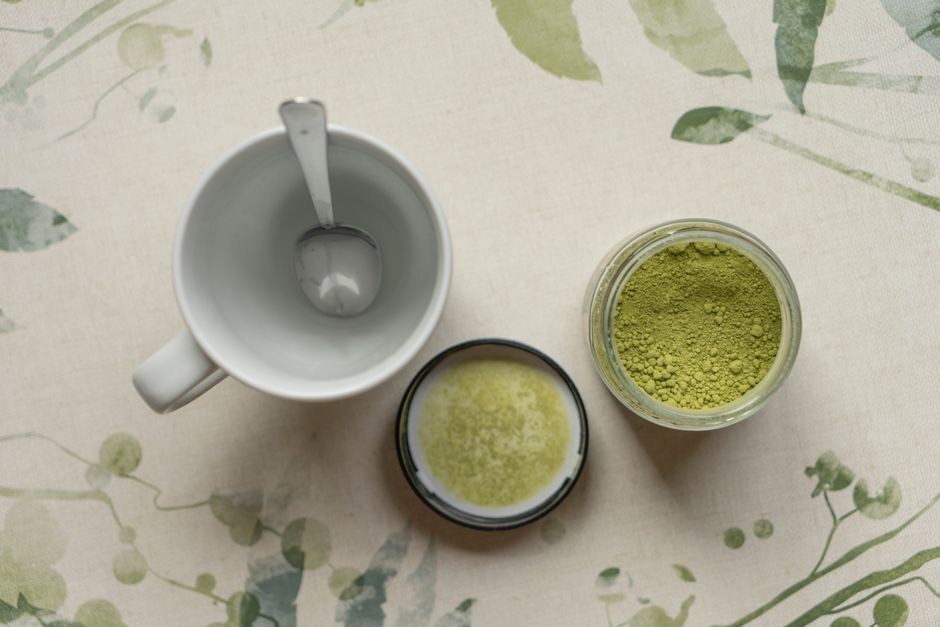
Matcha does not cause hair loss. There is no established biological mechanism by which drinking matcha green tea would trigger or accelerate hair loss, and no clinical evidence linking matcha consumption to hair shedding. The confusion likely comes from mixing up matcha with other teas, or from mistaking unrelated causes of hair loss for something in your diet.
That said, hair loss is common and distressing. If you are losing hair, it is worth understanding what actually drives it. The answer is usually hormones, genetics, nutrition, stress, or an underlying medical condition — not your morning tea. This guide explains what the evidence shows about matcha and hair, and what actually matters for hair health.
What Is Matcha and How Is It Different From Other Teas?
Matcha is a powdered form of green tea made from shade-grown tea leaves. Farmers cover the plants for a period before harvest, which boosts chlorophyll and certain amino acids. The leaves are then ground into a fine powder and whisked into water. You consume the entire leaf, not just an infusion.
That difference matters for dose. A cup of matcha delivers more caffeine and more catechins than a standard steeped green tea bag, because you are drinking the whole leaf rather than steeping and discarding it. The main bioactive compounds are caffeine, L-theanine, and a group of antioxidants called catechins — most notably epigallocatechin gallate, or EGCG.
These compounds have been studied for various health effects. What they have not been shown to do is cause hair loss at typical dietary intake.
Does Matcha Cause Hair Loss? What the Evidence Shows
No clinical evidence currently confirms that matcha causes hair loss in humans. There are no published human trials showing that drinking matcha leads to increased shedding, thinning, or pattern baldness.
The concern seems to trace back to two things. First, green tea extracts in high-dose supplement form have occasionally been linked to liver toxicity in rare cases — a liver problem, not a hair problem. Second, there is a general worry about caffeine and hormones. Neither of these translates into matcha causing hair loss at normal consumption levels.
It is worth separating forms here. Drinking a few cups of matcha daily is a very different exposure than swallowing concentrated green tea extract capsules. The doses are not comparable, and most safety concerns in the literature relate to the concentrated supplement form, not the beverage.
Can Caffeine Affect Hair Growth?
Caffeine does not cause hair loss when consumed in normal amounts. In fact, the relationship between caffeine and hair is more interesting than most people realize — and it points in the opposite direction.
Caffeine is sometimes used topically in hair products, and some research suggests it may influence hair follicle biology in laboratory and small clinical settings. The mechanism studied involves caffeine’s effect on a hormone called DHT (dihydrotestosterone) and on blood flow to the follicle. However, this research is mostly about caffeine applied directly to the scalp, not caffeine you drink.
Drinking caffeine does not deliver meaningful concentrations to the hair follicle. And there is no evidence that dietary caffeine from matcha, coffee, or other sources causes shedding. If anything, the topical research is a separate topic that has been overstated in marketing for caffeine shampoos.
The honest position: evidence for caffeine and hair regrowth is limited and mixed. Evidence that dietary caffeine causes hair loss is essentially absent.
What Actually Causes Hair Loss?
Hair loss has several well-established causes, and none of them is matcha. Understanding the real drivers is more useful than worrying about tea.
- Androgenetic alopecia — genetic pattern hair loss driven by hormones, the most common cause in both men and women.
- Telogen effluvium — temporary shedding triggered by stress, illness, surgery, rapid weight loss, or major life events. It typically appears months after the trigger.
- Nutritional deficiencies — low iron, low vitamin D, and inadequate protein intake are established contributors.
- Thyroid disorders — both an underactive and overactive thyroid can cause hair changes.
- Hormonal shifts — pregnancy, menopause, and conditions like polycystic ovary syndrome.
- Medications — certain drugs list hair loss as a known side effect.
- Scalp conditions — including autoimmune and inflammatory disorders.
If you are losing hair, the useful question is not “what am I drinking?” but “what is my body doing?” A clinician can help sort this out through history, exam, and sometimes blood tests.
Does Green Tea Extract Cause Hair Loss?
There is no established link between green tea extract and hair loss either. The safety concern with concentrated green tea extract is different: in rare cases, high-dose supplements have been associated with liver injury.
That is a liver issue, not a hair issue, and it appears mainly with concentrated supplement products rather than brewed tea. Regulatory agencies have flagged this concern for certain green tea extract supplements. If you take a green tea extract capsule, that is worth knowing — but it is separate from the matcha-and-hair question.
Some people also confuse matcha with other teas. Certain herbal teas and unregulated “slimming” or “detox” tea blends have been linked to health problems, sometimes because of adulterants or laxative ingredients rather than the tea itself. If a product is marketed for rapid weight loss, the ingredient list deserves scrutiny.
Can Matcha Support Hair Health?
There is no strong evidence that matcha supports hair growth. Matcha contains antioxidants and small amounts of nutrients, but no clinical trials show that drinking it improves hair thickness, growth rate, or density.
This is where marketing often overreaches. Matcha is a pleasant, low-calorie beverage with some antioxidant content. That does not make it a hair treatment. Biological plausibility — the idea that antioxidants “should” help — is not the same as demonstrated benefit.
If you enjoy matcha, there is no reason to stop for your hair’s sake. Just do not expect it to regrow anything.
When Should You See a Doctor About Hair Loss?
See a clinician if your hair loss is sudden, patchy, accompanied by scalp itching or pain, or comes with other symptoms like fatigue, weight change, or unusual cold or heat sensitivity. These patterns can point to conditions that need diagnosis and treatment.
Gradual thinning over years is more often genetic and is managed differently than sudden shedding. The timeline and pattern matter, which is why an in-person evaluation is more reliable than any online answer.
Bring a list of medications and supplements, including any herbal or “detox” products. Some contain ingredients that are not clearly labeled, and that information helps a clinician assess what is going on.
Does Matcha Interfere With Iron Absorption?
This is one real, well-documented interaction worth knowing. Tea contains compounds called tannins and polyphenols that can bind iron and reduce its absorption from plant sources, a form called non-heme iron.
This matters most for people at risk of iron deficiency — for example, those with low iron intake or higher needs. Iron deficiency is itself an established cause of hair shedding, so the indirect chain is worth noting: heavy tea intake with meals could, in theory, worsen iron status in someone already low. That is not matcha causing hair loss directly. It is a nutritional interaction that could matter for a person already at risk.
A practical note some clinicians share: drinking tea between meals rather than with iron-rich meals reduces this effect. If you have been told you have low iron, this is a reasonable question to raise with your doctor.
Bottom Line on Matcha and Hair
Matcha does not cause hair loss. The evidence does not support it, and there is no established mechanism for it. Hair loss has real, identifiable causes — genetics, hormones, nutrition, stress, thyroid function, and medications among them — and those are where attention belongs.
If you are concerned about hair loss, talk to a clinician rather than cutting out tea. And be skeptical of any product that promises hair regrowth based on antioxidants or “detox” claims. The evidence is not there.
Frequently Asked Questions
Does matcha cause hair loss?
No. There is no clinical evidence that matcha causes hair loss, and no established mechanism by which it would.
Can drinking green tea make your hair fall out?
No. Drinking green tea has not been shown to cause hair shedding in humans. Concerns about green tea extract relate to rare liver effects from concentrated supplements, not hair loss.
Does caffeine cause hair loss?
Dietary caffeine has not been shown to cause hair loss. Some research explores caffeine applied directly to the scalp, but that is a separate topic from caffeine you drink.
Can matcha help hair grow?
No clinical trials show that drinking matcha improves hair growth, thickness, or density. Claims that it does are not supported by evidence.
