
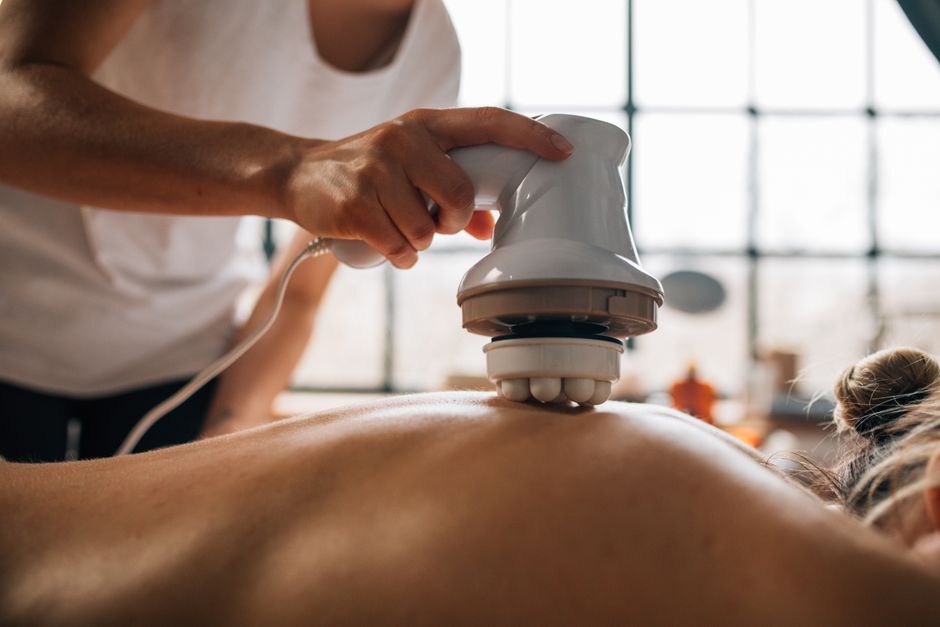
Massage can ease the muscle tightness and pain that often come with sciatica, but it does not fix the underlying cause. Sciatica is a symptom, usually of a compressed or irritated nerve root in the lower back, and massage works on muscles and soft tissue — not on the disc or bone pressing on the nerve. The evidence for massage as a sciatica treatment is limited and mixed, so it is best viewed as one possible comfort measure alongside other care, not a stand-alone cure.
What Is Sciatica, Exactly?
Sciatica is not a diagnosis. It is a set of symptoms caused by irritation or compression of the sciatic nerve or, more often, one of the nerve roots that feed into it in the lower spine.
The sciatic nerve is the longest nerve in the body. It forms from nerve roots in the lower back, travels through the buttock, and runs down the back of each leg. When something presses on or inflames those nerve roots, pain can travel along that path.
Most cases stem from a herniated disc — the soft cushion between vertebrae bulges and touches a nerve root. Other causes include spinal stenosis (narrowing of the space around the nerve), a bone spur, or, less commonly, a muscle in the buttock pressing on the nerve. That last one is often called piriformis syndrome, and it is genuinely debated how often it actually causes sciatica.
The classic symptoms are pain that radiates from the lower back or buttock down one leg, often past the knee. Some people feel numbness, tingling, or weakness in the leg or foot. The pain is usually one-sided. True sciatica is not simply a sore lower back — the leg involvement is what defines it.
How Could Massage Help Sciatica?
Massage targets muscles, not nerves. Its plausible benefits are indirect: relaxing tight muscles that may be guarding a painful area, improving blood flow to soft tissue, and reducing the stress and tension that make pain feel worse.
When the lower back or buttock muscles are tense and spasming, that tension can add its own layer of pain on top of the nerve irritation. Massage may ease that muscular component. Some people also find the relaxation itself helpful, since pain and anxiety tend to feed each other.
What massage cannot do is move a herniated disc back into place, widen a narrowed spinal canal, or take pressure off a compressed nerve root. If your sciatica is caused by a disc pressing on a nerve, a massage on your back or leg will not change that mechanical problem.
This distinction matters. It is the difference between easing a symptom and treating a cause. Massage sits firmly in the first category.
Does Massage Help Sciatica? What the Evidence Shows
The research here is thin. There are no large, high-quality trials that establish massage as an effective treatment for sciatica specifically.
Some studies suggest massage can reduce low back pain and improve function in the short term, and low back pain often overlaps with sciatica. But general low back pain is not the same as nerve-root sciatica, and results from one do not automatically carry over to the other.
Guidelines for treating sciatica tend to emphasize staying active, short-term pain relief, and physical therapy, with massage sometimes mentioned as a possible adjunct rather than a core recommendation. The evidence is mixed at best.
That does not mean massage is useless. It means the honest position is that we do not have strong proof it changes the course of sciatica. Some people report real relief. Others notice nothing. Individual response varies, and much of the reported benefit in studies is short-lived.
Which Type of Massage Is Used for Sciatica?
There is no single “sciatica massage,” and no strong evidence that one style outperforms another. What matters more is that the therapist understands your situation and avoids aggravating the nerve.
Common approaches include:
- Deep tissue massage — focuses on deeper muscle layers, often in the glutes and lower back. Can be intense; may not suit an acutely irritated nerve.
- Swedish or relaxation massage — gentler, aimed at general muscle relaxation and stress relief.
- Trigger point work — targets specific tight knots in muscle that may refer pain.
- Myofascial release — works on the connective tissue around muscles.
A therapist should ask about your symptoms and adjust pressure. If a stroke or position makes the leg pain shoot or worsen, that is a signal to stop and reassess. Deep pressure directly over an inflamed nerve root area is generally something to approach with caution.
Is Massage Safe for Sciatica?
For most people with uncomplicated sciatica, massage is low-risk. The main concerns are doing too much too soon and missing a more serious problem.
Some situations call for medical evaluation before any massage. Get checked by a clinician first if you have:
- Sudden severe weakness in the leg or foot
- Loss of bladder or bowel control
- Numbness in the groin or inner thighs (the “saddle” area)
- Fever, unexplained weight loss, or a history of cancer
- Pain after significant trauma
Those last signs can point to a serious condition called cauda equina syndrome, which is a medical emergency. Do not treat those symptoms with massage — seek urgent care.
If you have a bleeding disorder or take blood thinners, tell your therapist, since deep pressure can cause bruising. Pregnant readers should check with their clinician, as sciatica is common in pregnancy and safe positioning matters.
What Else Helps Sciatica?
Massage is one option among several. The approaches with the strongest support for sciatica focus on calming the irritated nerve and keeping you moving.
Most people with sciatica improve over time without surgery. Staying reasonably active is generally encouraged, since prolonged bed rest tends to slow recovery. Physical therapy can teach you stretches and strengthening exercises for the back and core. Over-the-counter pain relievers are commonly used for short-term relief, though you should check with a pharmacist or clinician about what is appropriate for you.
Heat or cold packs are widely used for comfort. Some clinicians recommend them; the evidence for either is not strong, but they are generally low-risk.
If pain is severe, lasting, or getting worse, or if you have the warning signs above, see a doctor. Imaging and a proper diagnosis can clarify what is actually causing your symptoms — and that determines what will help.
How to Think About Massage for Sciatica
Treat massage as comfort care, not a cure. It may ease muscle tension and help you feel better in the moment. It will not repair a disc or decompress a nerve.
If you try it, choose a licensed therapist, be clear about your symptoms, and stop if anything makes the leg pain worse. Pair it with the basics — staying active, following any physical therapy plan, and getting medical advice for anything severe or unusual.
The most useful question is not “does massage fix sciatica” but “does massage help me feel better while my body does the real healing.” For some people, the answer is yes. For others, it is not worth the cost. Both are reasonable conclusions.
Frequently Asked Questions
Does massage help sciatica pain?
Massage may ease muscle tightness and provide short-term comfort, but it does not treat the underlying nerve compression. The evidence for it as a sciatica treatment is limited and mixed.
Can a massage make sciatica worse?
It can if deep pressure is applied over an irritated nerve or if you push through pain that shoots down the leg. Tell your therapist about your symptoms and stop if the leg pain increases.
How often should you get a massage for sciatica?
No clinical guidelines set a frequency for massage in sciatica. Any schedule should be based on your response and discussed with a clinician or licensed therapist.
When should you not get a massage for sciatica?
Avoid massage and seek urgent medical care if you have loss of bladder or bowel control, groin numbness, or sudden severe leg weakness. These can signal a medical emergency.
