
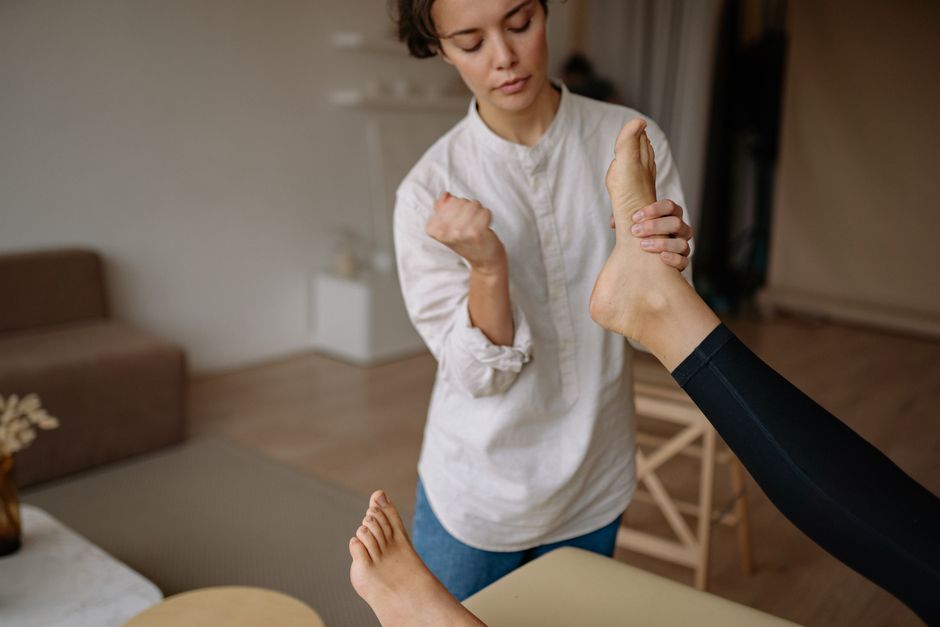
Massage can ease the pain, tightness, and stress that come with neuropathy of the feet, but it does not repair damaged nerves and it is not a treatment for the underlying condition. The relief people report is usually temporary, lasting from minutes to a day or so. Massage works best as one part of a broader plan that includes medical care, foot protection, and regular movement.
If your feet feel burning, numb, or painfully sensitive, you have probably wondered whether rubbing them helps or hurts. The answer is genuinely mixed, and it depends on what is causing your neuropathy and how your feet respond. Here is what the evidence supports, what it does not, and how to use massage safely.
What Does Massage Actually Do for Neuropathy of the Feet?
Massage affects muscles, blood flow, and the nervous system’s perception of pain. It does not restore sensation or repair the peripheral nerves themselves.
Peripheral neuropathy usually involves damage to nerve fibers in the feet and legs. In the most common form, diabetic peripheral neuropathy, high blood sugar over time injures small blood vessels that feed the nerves. The nerves lose their protective myelin sheath and eventually their fibers. Massage cannot reverse that process. No hands-on technique can regrow damaged nerve fibers.
What massage can do is influence the experience of pain. Gentle pressure stimulates large sensory nerve fibers in the skin. Those fibers carry touch signals to the spinal cord, and those signals can compete with and dampen pain signals traveling from the same area. This is the basis of the gate control theory of pain, and it is a real, well-described mechanism. It explains why rubbing a sore spot often feels better for a while.
Massage also relaxes tense muscles. People with painful feet often tense their calves, ankles, and toes without realizing it. Loosening those muscles can reduce aching and improve how comfortably you walk. And because chronic pain is exhausting, the relaxation effect matters more than it might sound.
Does Massage Help Neuropathy of the Feet According to Research?
The research is limited but not empty. A small number of studies have looked at foot massage in people with diabetic neuropathy, and some report reduced pain and improved sense of well-being. These studies tend to be small, short, and varied in how massage was delivered, which limits how much weight they can carry.
Some research suggests foot massage may reduce pain scores and improve sleep quality in people with diabetic peripheral neuropathy. The evidence is not strong enough to call massage an established treatment. It is best described as a comfort measure with some supportive findings and no serious safety concerns when done appropriately.
What the evidence does not show is any effect on nerve function itself. No study has demonstrated that massage restores sensation, improves nerve conduction, or slows the progression of neuropathy. If a practitioner claims otherwise, ask for the study. It almost certainly does not exist.
Is Massage Safe When You Have Neuropathy?
For most people, gentle massage is safe. The main risk is that reduced sensation can hide problems you would otherwise notice.
Neuropathy often dulls feeling in the feet. You might not register pressure that is too strong, heat that is too hot, or a small injury developing. A massage that would feel uncomfortable to someone with normal sensation might go unnoticed until damage is done. This is why the pressure should always be gentle and why the person doing the massage needs to understand your condition.
There are situations where massage should be avoided or cleared with a doctor first:
- Open wounds, ulcers, or sores on the feet or legs
- Signs of infection such as redness, warmth, swelling, or drainage
- Poor circulation in the legs, which a doctor should assess before any deep work
- Recent injury, fracture, or surgery in the area
- Blood clots or a history of them in the legs
- Severe loss of sensation, where you cannot feel pressure at all
Deep tissue massage, vigorous kneading, and tools that apply strong pressure are not appropriate for feet with significant neuropathy. The risk of injury without feedback is too high. If you have diabetes, check with your doctor before starting any regular massage routine, and inspect your feet afterward for redness, bruising, or breaks in the skin.
How Should You Massage Neuropathic Feet at Home?
Keep it simple, gentle, and brief. The goal is comfort, not intensity.
Wash and dry your feet first, then look them over carefully. Check between the toes, the heels, and the tops of the feet for cuts, blisters, or changes in skin color. If anything looks wrong, skip the massage and show it to a doctor.
Use a plain, unscented lotion or oil to reduce friction. Work slowly from the toes toward the ankle with light strokes and gentle squeezing. Avoid pressing hard on bony areas or the arch. A few minutes per foot is plenty. Stop if anything feels sharp, numb in a new way, or painful.
Warm water soaks before massage can feel good, but check the temperature with your hand or a thermometer first. Neuropathy makes it hard to judge heat, and burns are a real risk. Never use heating pads or hot water bottles on feet with reduced sensation.
Some people find that a soft foot roller or a tennis ball rolled under the foot provides gentle pressure without needing a partner. The same rules apply: light pressure, short sessions, and a check of the skin afterward.
What Else Helps Neuropathy of the Feet?
Massage is a comfort tool, not a treatment plan. The things that actually change the course of neuropathy are medical and lifestyle-based.
If you have diabetes, blood sugar control is the single most important factor. Keeping glucose in the range your doctor recommends slows the progression of nerve damage. Research consistently shows that tight control reduces the risk of neuropathy and can slow its worsening. This is not a small point. It is the foundation.
Regular movement matters too. Walking, swimming, and stationary cycling improve circulation and help keep muscles and joints working. A physical therapist can help you build a safe routine if balance is a concern, which is common with neuropathy.
Foot care is essential. Check your feet daily, wear well-fitting shoes with room in the toe box, and never walk barefoot, even indoors. Small injuries can become serious quickly when sensation is reduced.
Some medications are approved for nerve pain, including certain antidepressants, anticonvulsants, and topical treatments. These are prescribed by doctors and work differently from massage. If pain is interfering with sleep or daily life, talk to your doctor about options. Massage can sit alongside these treatments, not replace them.
What Should You Expect From Massage?
Expect temporary relief, not a cure. That is an honest and reasonable expectation, and it is worth saying plainly.
People who benefit from massage usually notice less pain and tightness during and shortly after the session. Some find it easier to relax or sleep. These effects are real but short-lived. Massage does not change the underlying nerve damage, and it will not restore lost sensation.
If massage makes your feet feel worse, stop. Increased pain, numbness, or a burning sensation that lingers is a signal to reassess. Some people with neuropathy find that any pressure on the feet is uncomfortable, especially during flare-ups. That is common and not a failure on your part.
Be wary of anyone selling massage as a way to reverse neuropathy or regrow nerves. No clinical evidence supports those claims. A good practitioner will be honest about what massage can and cannot do, and will work with your medical team rather than around it.
Frequently Asked Questions
Can massage cure neuropathy in the feet?
No. Massage cannot repair damaged nerves or reverse neuropathy. It may ease pain and tension temporarily, but it does not treat the underlying cause.
How often should you massage neuropathic feet?
There is no established clinical guideline for frequency, so follow your comfort and your doctor’s advice. Gentle sessions of a few minutes per foot, a few times a week, are a reasonable starting point for most people.
Is foot massage safe for diabetic neuropathy?
Usually yes, if pressure is gentle and you check your feet for injuries afterward. Avoid massage over sores, ulcers, or areas of infection, and clear it with your doctor if you have poor circulation or severe loss of sensation.
Does massage help numbness in the feet?
Massage does not restore lost sensation. Some people report that their feet feel more comfortable or less tight after massage, but numbness from nerve damage is not reversed by hands-on therapy.
