
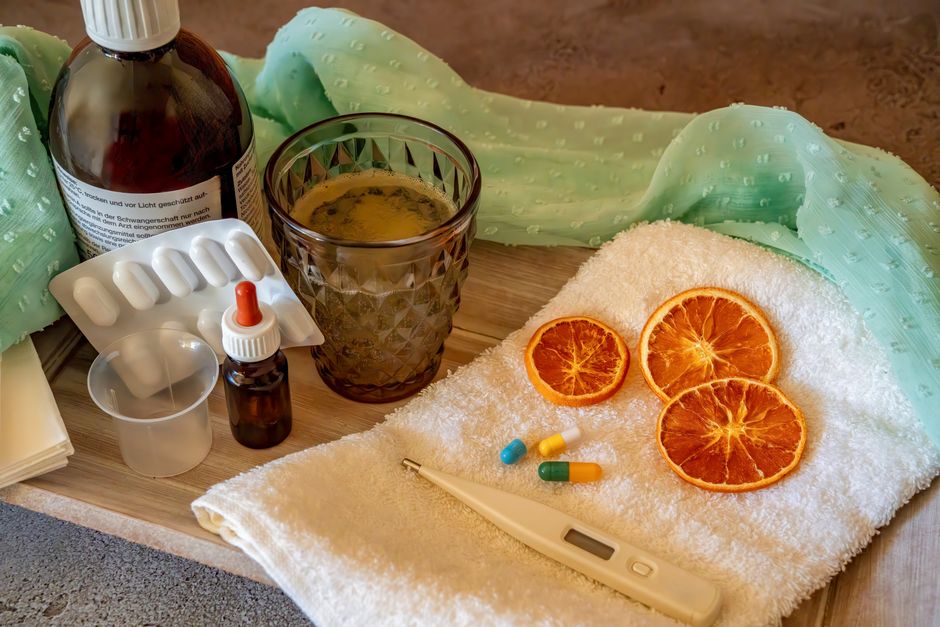
If you have ever felt that first tingle on your lip and reached for a lysine pill, you are not alone. Lysine is one of the most searched supplements for cold sores in the United States.
So does it actually work? The honest answer is: the evidence is mixed, and it is weaker than most people assume. A small number of older studies suggested lysine might reduce how often cold sores appear or how long they last. Larger, better-designed trials have not consistently confirmed those results. Lysine is not a cure, and it is not a proven stand-alone treatment. Some people report fewer outbreaks when they take it. That does not mean the supplement caused the change.
What Are Cold Sores and What Causes Them?
Cold sores are small, painful blisters that usually form on or around the lips. They are caused by the herpes simplex virus, most often type 1 (HSV-1). This is not the same virus that causes genital herpes, though HSV-1 can cause genital infections too, mainly through oral contact.
Once you have HSV-1, it stays in your body for life. It travels along nerve pathways and settles into clusters of nerve cells near the spine, where it stays inactive. Most of the time the virus does nothing. Then something wakes it up.
Common triggers include:
- Fever or illness
- Physical or emotional stress
- Sun exposure and wind
- Fatigue and lack of sleep
- Hormonal changes, such as menstruation
- Skin injury or dental work near the mouth
The World Health Organization estimates that roughly two-thirds of people under age 50 carry HSV-1 worldwide. Most never get noticeable sores. The virus reactivates in a minority of carriers, and when it does, an outbreak usually follows a predictable pattern: tingling, then a blister, then a crust, then healing.
What Is Lysine and Why Do People Take It for Cold Sores?
Lysine is an essential amino acid. Your body cannot make it, so you must get it from food. It is found in meat, poultry, fish, eggs, dairy, beans, and soy.
The theory behind lysine for cold sores comes from laboratory work on how HSV-1 reproduces. The virus needs a different amino acid, arginine, to build its proteins. Lysine and arginine compete for the same transporter to get into cells. The idea is that if you flood your body with lysine, less arginine gets in, and the virus has a harder time replicating.
That mechanism is real in a lab dish. Whether it translates into fewer or milder cold sores in a living person is a different question. Biological plausibility is not the same as proven clinical benefit. This is where the lysine story gets shaky.
Does Lysine Help With Cold Sores? What the Evidence Shows
The clinical evidence is limited and inconsistent. Some early, small trials reported that people taking lysine had fewer outbreaks or shorter healing times. Other trials found no meaningful difference compared with a placebo.
A review of the available research found that the studies were generally small, used different doses, and measured different outcomes. That makes it hard to draw firm conclusions. When trials are too small and too varied, a positive result in one study can easily be chance.
Here is the honest position: no large, high-quality trial has confirmed that lysine reliably prevents or treats cold sores. Some studies suggest a possible benefit for reducing recurrence in certain people. The evidence does not support lysine as a dependable stand-alone treatment.
Some clinicians still recommend it, often because it is inexpensive and generally well tolerated. That is common practice, not a strong evidence-based recommendation. There is a difference, and it matters.



How Much Lysine Do People Take for Cold Sores?
There is no official recommended dose of lysine for cold sores. No regulatory body has approved lysine as a treatment for HSV-1, so no standard dosing guideline exists.
Doses used in studies have varied widely, and because the results are inconsistent, no single dose can be called effective. If you are considering lysine, that is a conversation to have with a clinician who knows your health history, not something to decide from a supplement label.
Lysine is generally considered safe at typical supplemental amounts in healthy adults. Higher doses can cause stomach upset, diarrhea, or abdominal pain in some people. People with kidney disease or those taking certain medications should be especially cautious, because the kidneys handle amino acids and high intakes may not be appropriate.
One point worth knowing: lysine supplements can interfere with how the body absorbs certain antibiotics and other medicines. If you take prescription drugs, check with a pharmacist before adding lysine.
What Actually Works Better Than Lysine for Cold Sores?
Prescription antiviral medications have far stronger evidence behind them than lysine. These include acyclovir, valacyclovir, and famciclovir. They are approved by the FDA for treating and, in some cases, preventing herpes outbreaks.
Antivirals work best when started early, ideally within the first day of symptoms, during that tingling stage before the blister fully forms. Started early, they can shorten healing time and reduce pain. This is one of the few areas of cold sore care where the evidence is solid and consistent.
Over-the-counter options are more limited. Topical creams containing docosanol are FDA-approved for cold sores and may shorten healing slightly when used at the first sign. Their effect is modest. Lip balms and pain relievers ease symptoms but do not fight the virus.
Here is a comparison of the main approaches:
| Approach | Evidence Strength | Notes |
|---|---|---|
| Prescription antivirals | Strong | FDA-approved; work best when started early |
| Docosanol cream | Moderate | FDA-approved; modest effect on healing time |
| Lysine supplements | Limited and mixed | No standard dose; results inconsistent |
| Lip balm, pain relief | Symptom relief only | Does not affect the virus |
Can You Prevent Cold Sores in the First Place?
You cannot get rid of HSV-1 once you have it, but you can lower how often it reactivates. The most reliable steps target known triggers.
- Use lip balm with sun protection and limit direct sun exposure to your lips.
- Get enough sleep and manage stress where you can.
- Avoid picking at or irritating your lips.
- Keep your immune system steady by managing other health conditions.
For people who get frequent outbreaks, a clinician may prescribe daily antiviral therapy to reduce how often they occur. This approach has solid evidence behind it, unlike lysine.
Cold sores are contagious. The virus spreads through direct contact with a sore or with saliva. Avoid kissing and sharing utensils, towels, or lip products during an active outbreak, especially around infants and people with weakened immune systems, who are at higher risk for severe infection.
The Bottom Line on Lysine
Lysine is not a proven treatment for cold sores. The mechanism is plausible, but the human evidence is limited and inconsistent. Some people may notice fewer outbreaks when they take it, but that could reflect the natural ups and downs of the virus rather than the supplement.
If cold sores are frequent or severe, prescription antivirals are the better-supported option. Talk to a clinician about what fits your situation. Lysine is not dangerous for most healthy adults at typical doses, but it should not replace proven care.
Frequently Asked Questions
Does lysine actually help with cold sores?
The evidence is mixed and weaker than most people assume, and no large high-quality trial has confirmed a reliable benefit. Some small studies suggest a possible effect, but results are inconsistent.
How much lysine should I take for a cold sore?
There is no official recommended dose, because lysine is not an approved treatment for cold sores. Any decision about taking it should be discussed with a clinician.
Is lysine better than antiviral medication for cold sores?
No. Prescription antivirals have much stronger evidence and are FDA-approved for treating cold sores, especially when started early. Lysine does not match that level of support.
Are there side effects of taking lysine?
Lysine is generally well tolerated at typical amounts, but higher doses can cause stomach upset or diarrhea. People with kidney disease or those taking certain medications should check with a doctor first.
