
Lymphoma often leaves clues in blood work, but a standard blood test cannot diagnose it. A complete blood count may show low counts of red cells, white cells, or platelets, and some lymphomas raise certain markers. Still, no routine blood test confirms lymphoma on its own. The diagnosis comes from a biopsy of an enlarged lymph node or other affected tissue, examined under a microscope.
That gap between what blood work suggests and what actually confirms disease is the single most important thing to understand. People often assume a normal blood test rules lymphoma out. It does not. And an abnormal one does not mean cancer. Doctors use blood work as one piece of a larger picture, not as a standalone answer.
What Does Blood Work Show in Lymphoma?
Blood work can show changes that raise suspicion, but those changes are not specific to lymphoma. Many conditions produce the same patterns.
A complete blood count, or CBC, measures red blood cells, white blood cells, and platelets. In some people with lymphoma, one or more of these counts fall below normal. This can happen because lymphoma cells crowd the bone marrow, where blood cells are made. It can also happen when an enlarged spleen traps blood cells or when the disease triggers immune reactions that destroy them.
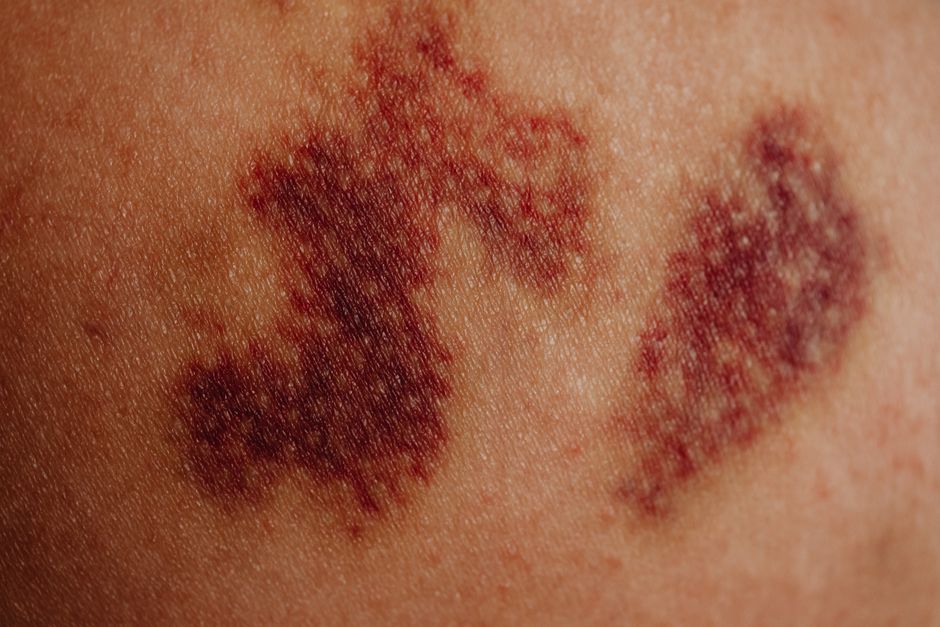
Certain lymphomas are linked to specific blood findings. Some people develop anemia, a low red blood cell count that causes fatigue and shortness of breath. Others have low platelets, which can lead to easy bruising or bleeding. White cell counts may be low, normal, or even high.
Doctors may also order a lactate dehydrogenase test, known as LDH. LDH is an enzyme released when cells are damaged or turn over quickly. It is often elevated in faster-growing lymphomas. But LDH rises in many situations unrelated to cancer, including infection, muscle injury, and liver problems. On its own, it tells you very little.
Other routine tests, like kidney and liver function, help doctors assess how the body is functioning and plan treatment. They do not diagnose lymphoma.
Can a Normal Blood Test Rule Out Lymphoma?
No. A normal blood test does not rule out lymphoma, and this is one of the most common misunderstandings about the disease.
Many people with lymphoma have completely normal blood counts, especially early on. Lymphoma typically starts in lymph nodes or other lymphoid tissue, not in the blood. If the disease has not spread to the bone marrow or affected blood cell production, the CBC can look entirely normal.
This is why doctors do not rely on blood work alone when someone has a persistent swollen lymph node, unexplained weight loss, drenching night sweats, or ongoing fever. Those symptoms combined with an exam finding usually point toward imaging and possibly a biopsy, regardless of what the blood test shows.
The reverse is also true. An abnormal blood count is far more likely to reflect infection, inflammation, medication effects, or a nutritional deficiency than lymphoma. Abnormal results prompt further investigation, not a diagnosis.
Which Blood Tests Are Used When Lymphoma Is Suspected?
When lymphoma is a real possibility, doctors use blood tests to support the picture and check how the body is functioning, not to confirm the diagnosis.
A complete blood count with a differential, which breaks down the types of white cells, is standard. Flow cytometry is a more specialized test that can detect abnormal populations of lymphocytes in the blood. It is particularly useful for certain lymphomas that circulate in the bloodstream. Some types of lymphoma, such as certain leukemias that arise from lymphocytes, are actually identified through blood and bone marrow analysis rather than a lymph node biopsy.
Doctors may also check:
- LDH, to gauge how fast cells are turning over
- Kidney and liver function, before and during treatment
- Uric acid, because rapid cell turnover can raise it
- Infectious disease tests, since some infections cause similar symptoms and some are linked to specific lymphomas
- Protein electrophoresis, which can detect abnormal proteins some lymphomas produce
Each of these adds context. None of them stands alone as proof of lymphoma.
Why Does Lymphoma Affect Blood Counts?
Lymphoma affects blood counts when it interferes with the bone marrow or disrupts how blood cells are produced, stored, or destroyed.
Bone marrow is the factory where red cells, white cells, and platelets are made. When lymphoma cells move into the marrow, they take up space and crowd out normal production. The result can be low counts across one or more cell lines.
The spleen adds another layer. It filters blood and stores blood cells. When lymphoma enlarges the spleen, it can trap and remove more blood cells than usual, lowering counts in the bloodstream. Some lymphomas also trigger the immune system to attack the body’s own blood cells, a process that is separate from the cancer itself but still shows up on a CBC.
This is why blood counts in lymphoma can vary so widely from person to person. Two people with the same diagnosis may have completely different blood work depending on where the disease sits and how the body responds to it.
What Symptoms Should Prompt Blood Work and a Doctor’s Visit?
Certain symptoms warrant a medical evaluation, and blood work is often part of that first step. None of these symptoms means a person has lymphoma, but together they are worth checking.
Pay attention to a painless swollen lymph node that persists for several weeks, especially in the neck, armpit, or groin. Unexplained fever, drenching night sweats, and weight loss without trying are classic symptoms doctors call “B symptoms.” Ongoing fatigue, itching, or shortness of breath can also appear.
These symptoms overlap heavily with common infections and other conditions. A swollen lymph node after a cold is expected. A node that stays enlarged for weeks without an obvious cause is different and deserves a look.
Blood work is a reasonable early step because it is quick, low-risk, and can reveal whether something is off. But the decision to pursue imaging or a biopsy rests on the full clinical picture, not the blood test alone.
How Is Lymphoma Actually Diagnosed?
Lymphoma is diagnosed through a biopsy, not a blood test. A doctor removes a piece of an enlarged lymph node or affected tissue and a pathologist examines it under a microscope.
The biopsy confirms whether lymphoma is present and, critically, which type. There are many types of lymphoma, and they behave differently and are treated differently. Accurate classification depends on examining the cells directly, often with additional tests that identify specific proteins on the cell surface.
Imaging such as CT or PET scans helps doctors see how widespread the disease is. Bone marrow biopsy may be done in some cases to check whether the marrow is involved. Blood work supports all of this by showing how the body is functioning and by flagging abnormalities, but it sits alongside the biopsy rather than replacing it.
One clarification worth holding onto: a blood test can be abnormal for a hundred reasons, and a biopsy is the only way to know what is actually happening in the tissue. That is not a limitation of modern medicine. It reflects the biology of a disease that lives primarily in lymph tissue.
What Do Abnormal Blood Results Mean if Lymphoma Is Not Found?
Abnormal blood results are common and usually point to something other than lymphoma. Infection, inflammation, medication, autoimmune conditions, and nutritional deficiencies all change blood counts.
When a biopsy or further testing rules out lymphoma, the abnormal blood work still matters. It may reveal anemia, a thyroid problem, an infection, or another condition that needs attention. Doctors often repeat the test to see whether the change is temporary or persistent.
The key is not to assume the worst from a single abnormal result, and not to dismiss a persistent abnormality either. Context, repeat testing, and a doctor’s assessment guide what happens next.
Frequently Asked Questions
Can lymphoma be detected in a routine blood test?
No, a routine blood test cannot detect or diagnose lymphoma. It can show changes like low blood counts that prompt further testing, but diagnosis requires a biopsy.
What blood count is most commonly low in lymphoma?
There is no single pattern. Some people have low red cells, low platelets, or low white cells, while many have completely normal counts.
Does lymphoma always show up in blood work?
No. Many people with lymphoma have normal blood work, especially when the disease has not reached the bone marrow.
Can a CBC show lymphoma?
A CBC can show abnormal blood counts that raise suspicion, but it cannot show lymphoma itself. Only a tissue biopsy can confirm the diagnosis.
